Storm season can bring strong winds, heavy rain, lightning, and unpredictable weather conditions that put trees under immense stress. While healthy trees often withstand severe weather, damaged, diseased, or structurally compromised trees can quickly become dangerous hazards. A weakened tree can fall without warning, causing extensive property damage, power outages, vehicle destruction, and even serious injuries.
Many homeowners assume a tree is safe simply because it appears alive. However, trees often show subtle warning signs before they fail. Identifying these indicators early can help prevent costly storm-related emergencies and protect your home, family, and surrounding property.
If you have mature trees on your property, understanding the signs that indicate immediate removal may be necessary is especially important before storm season arrives.
Why Storm Season Increases Tree Risks
Trees naturally endure wind and weather throughout their lives. However, storms significantly increase the likelihood of failure when a tree is already weakened.
Strong winds can:
- Snap large limbs
- Uproot unstable trees
- Split trunks
- Expose hidden structural defects
- Cause entire trees to fall onto homes, vehicles, and power lines
The combination of saturated soil and high winds is particularly dangerous because weakened root systems may no longer be able to anchor the tree securely.
That’s why pre-storm inspections are one of the best ways to reduce risk.
Warning Sign #1: Large Dead or Hanging Branches
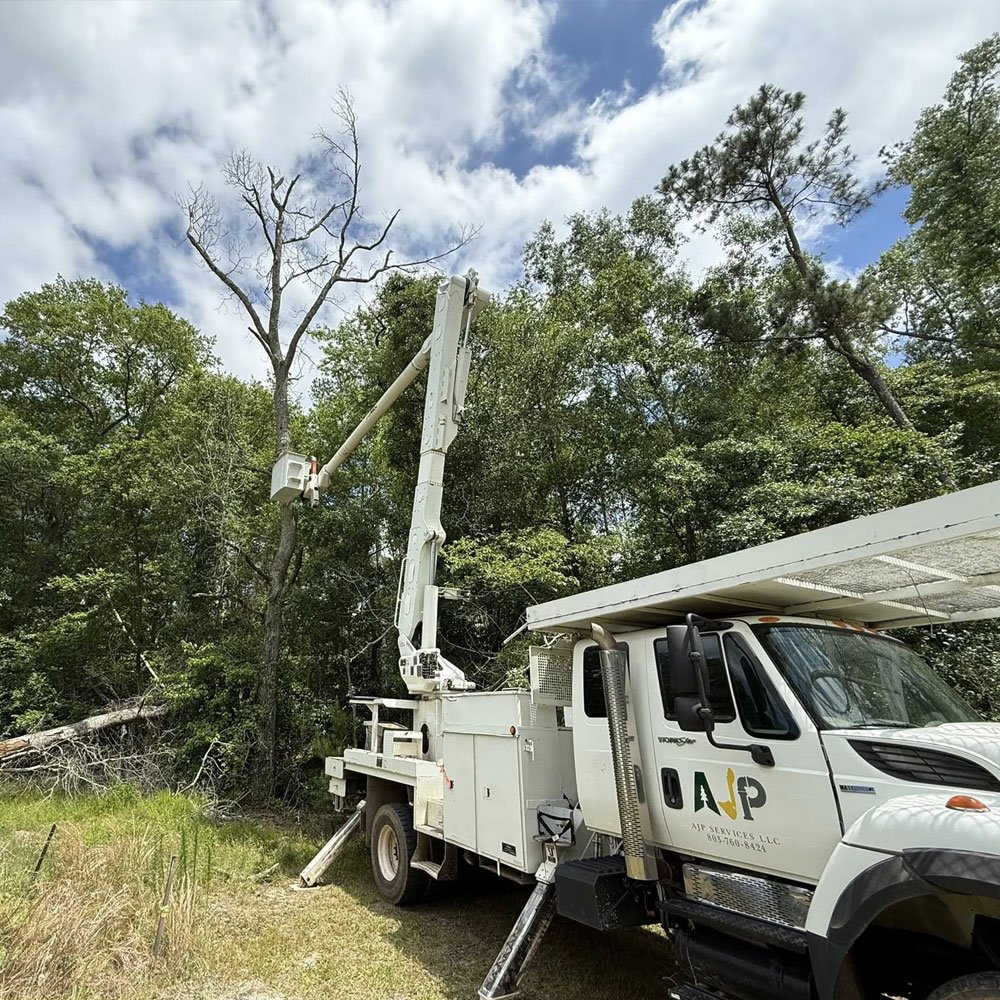
One of the clearest indicators that a tree may need immediate attention is the presence of dead branches.
Dead limbs lose flexibility and become brittle over time. During storms, these branches can easily break and fall.
Signs of Dead Branches
- No leaves during the growing season
- Peeling bark
- Cracked wood
- Hollow sections
- Branches that snap easily
Large dead branches hanging over:
- Homes
- Driveways
- Vehicles
- Walkways
- Play areas
pose a significant safety hazard.
While some trees can be safely pruned, extensive deadwood often indicates deeper health problems that may require full tree removal.
Warning Sign #2: Visible Tree Leaning
Not all leaning trees are dangerous. Some trees naturally grow at slight angles and remain stable for decades.
However, a tree that suddenly begins leaning or develops an increasingly noticeable tilt should be evaluated immediately.
Why Leaning Trees Are Dangerous
A leaning tree often signals:
- Root damage
- Soil instability
- Structural weakness
- Previous storm damage
The risk becomes even greater when the lean is directed toward:
- Homes
- Garages
- Power lines
- Neighboring properties
Signs of a Dangerous Lean
- Newly developed tilt
- Exposed roots on one side
- Cracks in surrounding soil
- Tree movement during wind events
A severely leaning tree may be only one storm away from complete failure.
Warning Sign #3: Cracks, Splits, or Cavities in the Trunk
The trunk serves as the primary structural support system for a tree.
When significant cracks or cavities develop, the tree’s ability to withstand storms becomes compromised.
Common Structural Defects
- Vertical cracks
- Deep splits
- Hollow sections
- Missing bark
- Large cavities
These defects often indicate internal decay that weakens the tree from the inside out.
Why Internal Damage Is Dangerous
A tree may appear healthy externally while suffering extensive internal deterioration.
During high winds, weakened trunks can split unexpectedly, causing partial or complete collapse.
Large trunk defects should always be evaluated by a qualified tree professional before storm season begins.
Warning Sign #4: Root Damage or Soil Disturbance
Healthy roots provide the foundation that keeps a tree stable.
Unfortunately, roots are often overlooked because most remain underground.
Causes of Root Damage
- Construction projects
- Soil compaction
- Utility installation
- Erosion
- Disease
- Excessive moisture
Damaged roots reduce the tree’s ability to absorb nutrients and maintain stability.
Warning Signs of Root Problems
- Exposed roots
- Mushrooms growing near the base
- Soil heaving around the trunk
- Sudden leaning
- Dead branches in the canopy
Storms place tremendous stress on root systems. Trees with compromised roots are far more likely to uproot during periods of heavy rain and strong winds.
Warning Sign #5: Significant Disease or Decay
Tree diseases can spread gradually, often going unnoticed until major damage has occurred.
Diseased trees become structurally weak and increasingly vulnerable to storm-related failure.
Common Signs of Disease
- Discolored leaves
- Premature leaf drop
- Dead branches
- Fungal growth
- Bark abnormalities
- Sparse canopy
Indicators of Advanced Decay
- Soft or crumbling wood
- Hollow sections
- Large fungal growths
- Visible insect infestations
Once decay affects a significant portion of the tree’s structure, removal is often the safest option.
Additional Warning Signs Homeowners Should Watch For
While the five primary warning signs above are among the most serious, several additional indicators may suggest a tree requires professional evaluation.
Multiple Broken Branches
Repeated limb failures often indicate declining structural health.
Tree Proximity to Structures
Even healthy trees may become hazardous if they are growing too close to:
- Houses
- Garages
- Utility lines
- Fences
Excessive Canopy Imbalance
When one side of a tree becomes significantly heavier than the other, the risk of failure increases during high winds.
Pest Infestations
Wood-boring insects and other pests can weaken trees from within, making them more vulnerable during storms.
The Dangers of Waiting Too Long
Many homeowners delay tree removal because the tree still appears alive or because there are no obvious problems.
Unfortunately, waiting can lead to serious consequences.
Property Damage
Falling trees can damage:
- Roofs
- Windows
- Vehicles
- Decks
- Sheds
- Fences
Personal Injury
Large branches and falling trees pose significant safety risks to family members, visitors, and neighbors.
Insurance Complications
Insurance companies may deny certain claims if homeowners ignored obvious signs of tree deterioration.
Higher Removal Costs
Removing a hazardous tree before a storm is generally less expensive than emergency removal after storm damage occurs.
Why Professional Tree Assessments Matter
Determining whether a tree should be removed isn’t always straightforward.
Professional tree specialists evaluate:
- Structural integrity
- Root health
- Disease presence
- Canopy condition
- Storm vulnerability
Experts can identify hidden defects that homeowners may overlook.
In some cases, pruning or corrective maintenance may be sufficient. In others, complete removal is the safest solution.
Preparing Your Property Before Storm Season
Taking proactive steps before severe weather arrives can significantly reduce risk.
Schedule a Tree Inspection
A professional assessment can identify hazardous trees before storms strike.
Remove Dead Branches
Pruning dead or damaged limbs reduces the likelihood of storm-related breakage.
Monitor Tree Health
Watch for signs of disease, decay, and structural changes throughout the year.
Address Root Problems
Protect root zones from excessive excavation, compaction, and construction activities.
Remove Hazardous Trees Promptly
If a tree presents a clear risk, removal before storm season is often the safest and most cost-effective decision.
Benefits of Early Tree Removal
Removing a dangerous tree before it fails offers several advantages:
- Protects your home and family
- Prevents costly storm damage
- Reduces liability risks
- Preserves surrounding landscaping
- Improves property safety
- Provides peace of mind during severe weather
Proactive tree management is always less stressful than dealing with emergency storm cleanup.
Conclusion
Storm season can turn a weakened tree into a major hazard in a matter of minutes. Dead branches, leaning trunks, structural cracks, root damage, and disease are all warning signs that should never be ignored. Addressing these issues before severe weather arrives can protect your property, reduce safety risks, and help avoid costly emergency repairs. For professional tree assessments, safe tree removal, and storm preparation services, property owners can rely on AJP Services LLC to help keep their landscapes safe and storm-ready.
Frequently Asked Questions
1. How can I tell if a tree is dangerous?
Signs such as dead branches, trunk cracks, leaning, root damage, and visible decay often indicate a tree may pose a safety risk.
2. Should a leaning tree always be removed?
Not necessarily. Some trees naturally lean, but sudden or increasing lean angles should be evaluated by a professional.
3. Can a healthy-looking tree still be hazardous?
Yes. Internal decay, root damage, and structural weaknesses are not always visible from the outside.
4. When is the best time to remove a hazardous tree?
The best time is before storm season begins, allowing potential hazards to be addressed before severe weather arrives.
5. What happens if a tree falls during a storm?
A fallen tree can cause property damage, injuries, utility disruptions, and costly cleanup expenses, making preventive removal an important safety measure.