Keeping your Batesburg-Leesville property safe and attractive begins with professional erosion control. Safety and efficiency guide every job we do, and we’re committed to delivering the highest level of care on every project.
Effective erosion control is vital for long-term property health, and AJP Services delivers expert solutions tailored to local soil and weather patterns in Batesburg-Leesville, SC. Our specialized Excavation Services combine precision grading, soil stabilization, and smart drainage design to prevent washouts, protect foundations, and maintain landscape functionality year-round. With proven techniques like erosion blankets, sediment fences, retaining walls, and vegetative stabilization, AJP Services helps homeowners and commercial properties reduce repair costs, comply with local regulations, and preserve curb appeal in Batesburg-Leesville, SC. Trust our experienced crew for proactive erosion prevention, efficient stormwater management, and durable site preparation that stands up to seasonal changes and heavy rainfall. From initial assessment and erosion control planning to full excavation and long-term maintenance, AJP Services provides comprehensive, reliable results that keep your property resilient and safe in Batesburg-Leesville, SC.
• Site assessment and custom erosion control plans for Batesburg-Leesville, SC
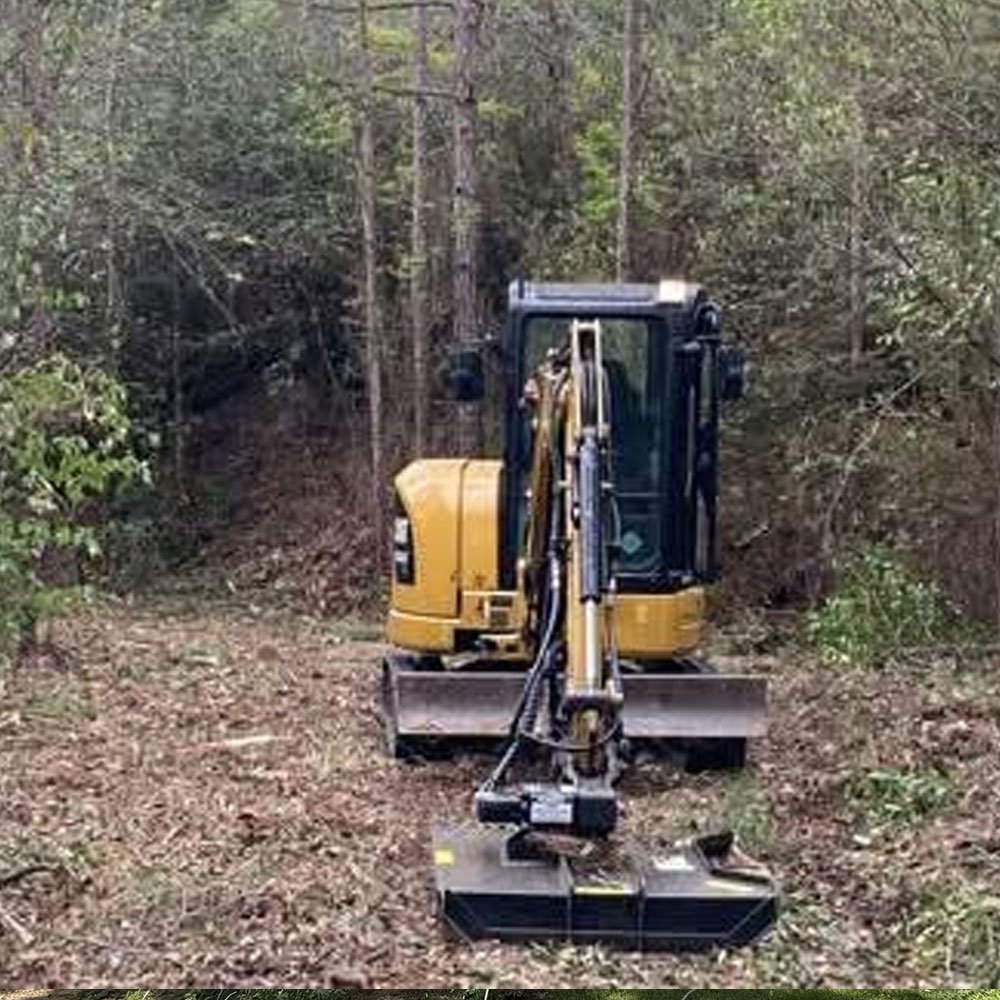
• Precision grading and excavation services to improve drainage and prevent washouts
• Soil stabilization and retaining wall installation for long-term landscape protection
• Sediment control, erosion blankets, and vegetative solutions to meet local standards
• Ongoing maintenance and stormwater management to preserve property value
Customer satisfaction is our number one priority for every erosion control job, and AJP Services delivers dependable, professional solutions to restore the beauty and safety of your Batesburg-Leesville, SC property. Our erosion control specialists use proven best practices—silt fence installation, hydroseeding, riprap placement, and stormwater management—to prevent soil loss, protect landscaping, and comply with local regulations in Batesburg-Leesville, SC. AJP Services combines experienced crews, high-quality materials, and responsive communication to entimely project completion and long-term stabilization. Whether you need emergency erosion repair, routine sediment control, or full-site restoration, trust AJP Services to provide tailored plans that safeguard your land, increase curb appeal, and reduce future maintenance costs across Batesburg-Leesville, SC.
• Comprehensive erosion control planning and consultation in Batesburg-Leesville, SC
• Silt fence, sediment basins, and stormwater management installation by AJP Services
• Hydroseeding, erosion blankets, and vegetation restoration for long-term stabilization
• Emergency slope repair, riprap placement, and grading to protect structures and landscaping
• Licensed, ind crews with fast response times and local expertise in Batesburg-Leesville, SC
Maintaining a commercial property in Batesburg‑Leesville, SC requires specialized erosion control. We provide reliable scheduling and efficient workflows to minimize disruption to your customers and staff.
Hiring professional erosion control contractors ens every drainage and slope stabilization project is completed safely, efficiently, and to the highest quality standards. AJP Services provides expert erosion control solutions in Leesville, SC and Batesburg-Leesville, SC, using proven techniques and industry-grade materials to prevent soil loss, protect property, and reduce the risk of injury from unstable ground. Improper erosion control can cause significant property damage, regulatory fines, and dangerous conditions; that’s why AJP Services focuses on precision site assessment, customized erosion prevention plans, and expert execution for every client in Leesville, SC. Trust AJP Services for comprehensive erosion control, stormwater management, silt fence installation, erosion blankets, retaining wall solutions, and long-term site stabilization in Leesville, SC to protect your investment and comply with local regulations.
Choosing AJP Services for erosion control in Leesville, SC means you get licensed professionals who understand local soil types, weather patterns, and permit requirements in Batesburg-Leesville, SC. Our team prioritizes safety, durability, and environmentally responsible practices—installing erosion control matting, hydroseeding, check dams, and sediment barriers that reduce runoff and prevent downstream sedimentation. Avoid the costly consequences of do-it-yourself mistakes; AJP Services delivers expert planning, timely project completion, and measurable results in Leesville, SC. Whether you need residential slope protection, commercial site stabilization, or emergency erosion repair after storms, AJP Services is the trusted erosion control contractor in Leesville, SC and Batesburg-Leesville, SC.
• Professional erosion control contractors in Leesville, SC for residential and commercial projects
• Erosion mitigation, stormwater management, and long-term site stabilization by AJP Services
• Silt fence, erosion blankets, hydroseeding, retaining walls, and sediment control in Leesville, SC
• Licensed, ind, and safety-focused erosion control experts serving Batesburg-Leesville, SC
• Prevent property damage and compliance issues with proven erosion control techniques in Leesville, SC
AJP Services delivers a transparent, results-driven erosion control workflow for Batesburg-Leesville, SC that keeps you informed at every step — from an in-depth site evaluation and tailored erosion prevention plan to installation, monitoring, and a final comprehensive cleanup that leaves your property looking better than when we arrived. Our Batesburg-Leesville, SC erosion control process combines best-practice sediment control, stormwater management, and land stabilization techniques so projects finish on schedule, within budget, and fully compliant with local regulations. With AJP Services in Batesburg-Leesville, SC you get clear communication, professional installation of silt fences, wattles, erosion control blankets, and revegetation, plus routine inspections and prompt remediation to minimize risk and protect your site long-term. Choose AJP Services for dependable erosion control in Batesburg-Leesville, SC — effective solutions, measurable results, and a spotless final cleanup that restores and protects your landscape.
• Comprehensive site evaluation and risk assessment for erosion control in Batesburg-Leesville, SC
• Professional installation of sediment controls (silt fence, wattles, erosion blankets) and revegetation plans
• Ongoing monitoring and maintenance to enstormwater compliance and long-term land stabilization
• Clear communication and project tracking from start to finish with AJP Services in Batesburg-Leesville, SC
• Final comprehensive cleanup that restores aesthetics, removes debris, and leaves your property better than we found it
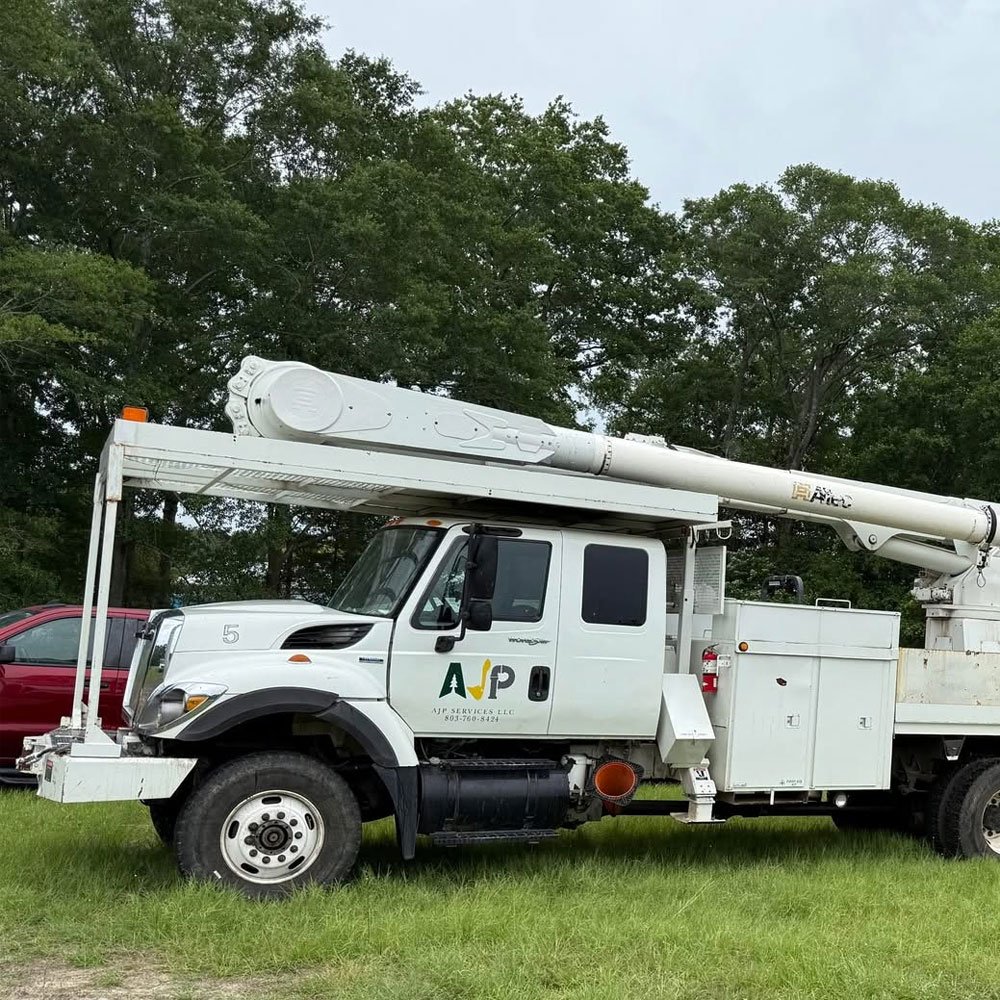
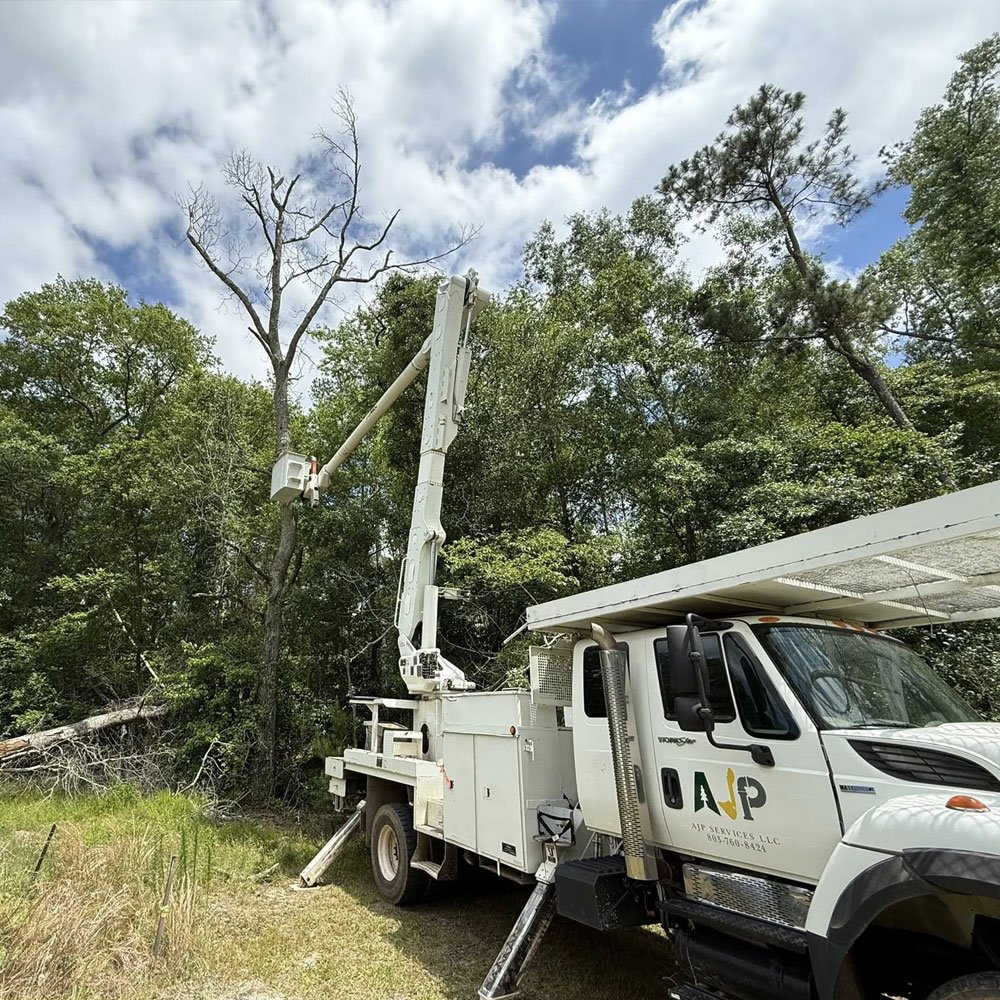
Handling emergency tree situations requires experience and specialized equipment. Our team follows a structured approach to ensure safe removal.

Quick arrival and inspection of the tree and nearby hazards.
We secure the area and prepare all safety equipment.
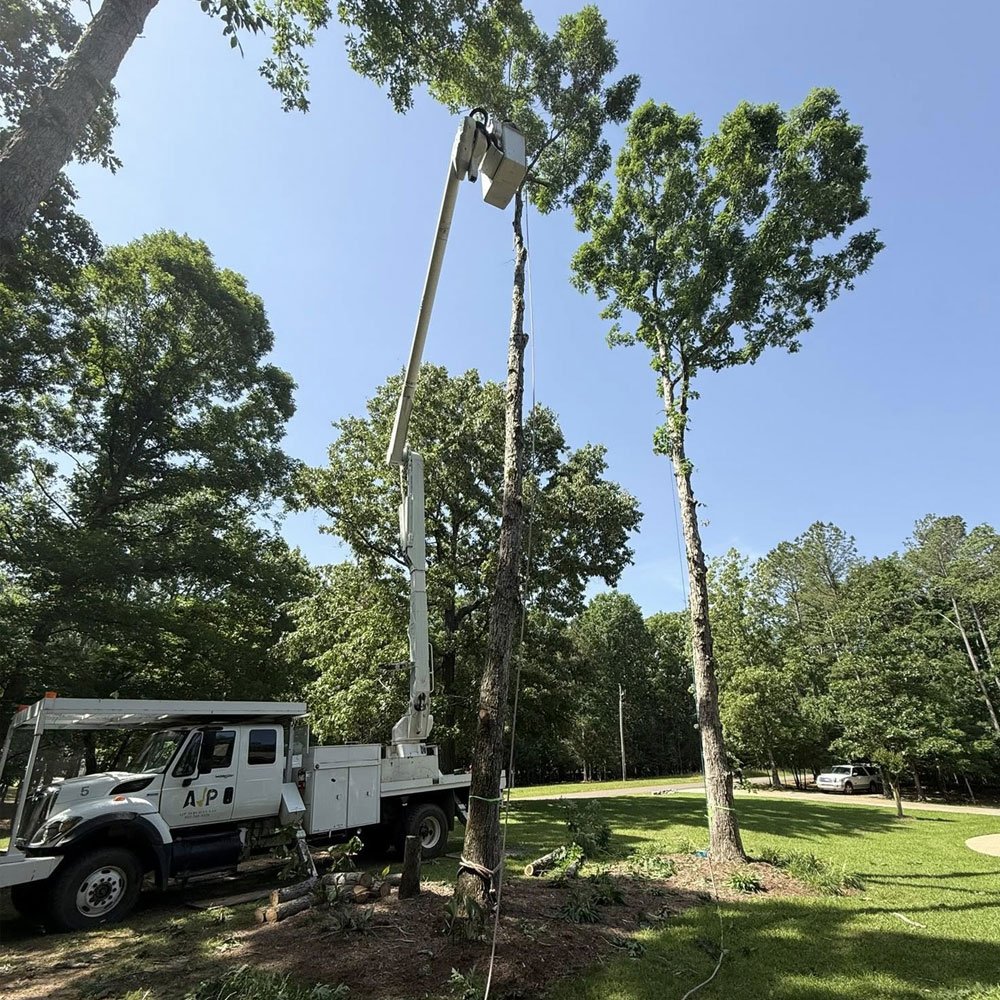
Tree is carefully removed section by section using professional tools.
All branches and debris are cleared from your property.
Tree emergencies don't follow a schedule. Our team is available day and night.
Our trained specialists have extensive experience handling complex tree removal situations.
We use modern equipment to remove trees safely and efficiently.
Quick response helps minimize damage and restore safety to your property.
Our team is fully insured, giving you peace of mind during high-risk removals.
Soil erosion isn’t just an environmental concern – it can damage foundations, destroy landscaping, and lead to costly property repairs. In Batesburg-Leesville, SC, with seasonal heavy rains and varied soil types, erosion control is essential for protecting your property. AJP Services provides professional erosion control solutions for homeowners, developers, and commercial properties. Our erosion control services include:
Don’t let erosion wash away your property’s value. Contact AJP Services today for a free, no-obligation erosion control assessment. Our licensed, ind team provides transparent pricing, professional solutions, and long-lasting results tailored to Batesburg-Leesville, SC’s unique conditions. Trust the local erosion control experts – trust AJP Services.
Customer satisfaction is our number one priority for every erosion control job, and AJP Services delivers dependable, professional solutions to restore the beauty and safety of your Batesburg-Leesville, SC property. Our erosion control specialists use proven best practices—silt fence installation, hydroseeding, riprap placement, and stormwater management—to prevent soil loss, protect landscaping, and comply with local regulations in Batesburg-Leesville, SC. AJP Services combines experienced crews, high-quality materials, and responsive communication to entimely project completion and long-term stabilization. Whether you need emergency erosion repair, routine sediment control, or full-site restoration, trust AJP Services to provide tailored plans that safeguard your land, increase curb appeal, and reduce future maintenance costs across Batesburg-Leesville, SC.
• Comprehensive erosion control planning and consultation in Batesburg-Leesville, SC
• Silt fence, sediment basins, and stormwater management installation by AJP Services
• Hydroseeding, erosion blankets, and vegetation restoration for long-term stabilization
• Emergency slope repair, riprap placement, and grading to protect structures and landscaping
• Licensed, ind crews with fast response times and local expertise in Batesburg-Leesville, SC
At AJP Services LLC, we provide reliable, efficient, and affordable tree removal services in City for homes and businesses.
Our team is ready to help you protect your property and improve your landscape.