Trees add beauty, shade, and value to a property. However, there are times when removing a tree becomes necessary. A tree may become diseased, damaged by storms, or simply grow too close to structures and power lines. In these situations, homeowners often ask the same question: how much does tree removal cost?
The cost of removing a tree can vary widely depending on several factors, including the size of the tree, its location, accessibility, and the complexity of the removal process. Understanding these factors can help homeowners plan their budget and make informed decisions about tree care.
In this guide, we will break down the average tree removal cost, the factors that influence pricing, and what to expect when hiring a professional tree removal service.
Average Tree Removal Cost
Tree removal costs can vary depending on the size and difficulty of the project. On average, homeowners in the United States may expect to pay anywhere from $300 to $2,500 or more for tree removal services.
Here is a general cost estimate based on tree size:
- Small Trees (under 30 feet): $300 – $700
- Medium Trees (30–60 feet): $700 – $1,500
- Large Trees (60–100 feet): $1,500 – $2,500+
- Extra Large Trees (over 100 feet): $3,000 or more
Small trees are usually easier and quicker to remove, while larger trees require specialized equipment, more labor, and sometimes cranes or rigging systems. These factors can significantly increase the overall price.
It’s important to note that every property is unique, and professional assessments are usually needed to provide an accurate estimate.
Factors That Affect Tree Removal Cost
Several factors influence the final cost of removing a tree. Understanding these variables helps explain why prices can differ from one project to another.
1. Tree Size and Height
The size of the tree is one of the biggest cost factors. Larger trees take longer to cut down and often require more advanced equipment. Taller trees also increase the risk level for workers, which adds to the overall cost.
A large oak or pine tree, for example, will require far more effort than a small ornamental tree in a yard.
2. Tree Location
Where the tree is located on your property also plays a significant role in pricing.
Trees that are located near:
- Houses
- Fences
- Power lines
- Driveways
- Other structures
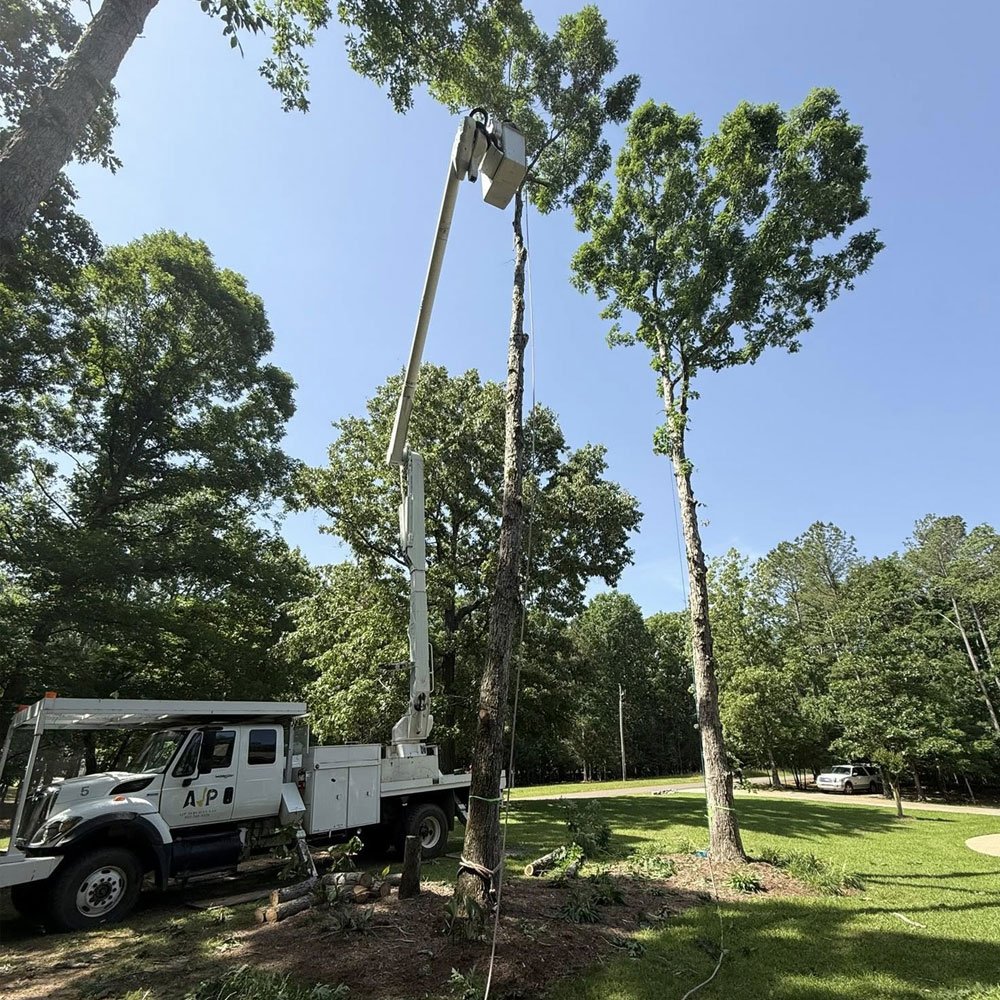
require extra care during removal. In these cases, professionals may need to remove the tree piece by piece rather than cutting it down in a single direction.
This process, called sectional dismantling, takes more time and skill, increasing the cost.
3. Accessibility
If heavy equipment can easily reach the tree, removal is typically faster and less expensive. However, if the tree is located in a tight backyard, on a slope, or in an area with limited access, the process becomes more complicated.
Limited accessibility may require:
- Manual climbing
- Rope rigging
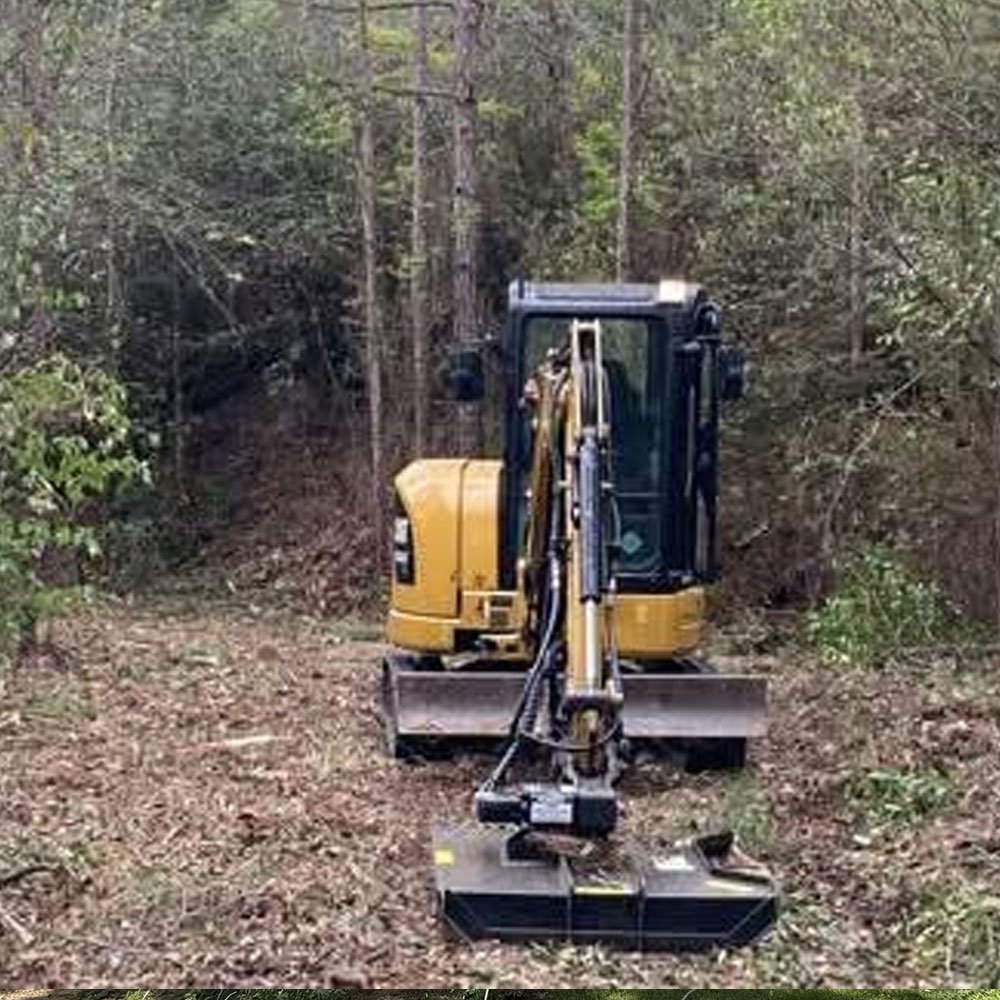
- Smaller equipment
- Additional labor
These factors can raise the overall project cost.
4. Tree Condition
The health and condition of the tree also influence removal pricing.
For example:
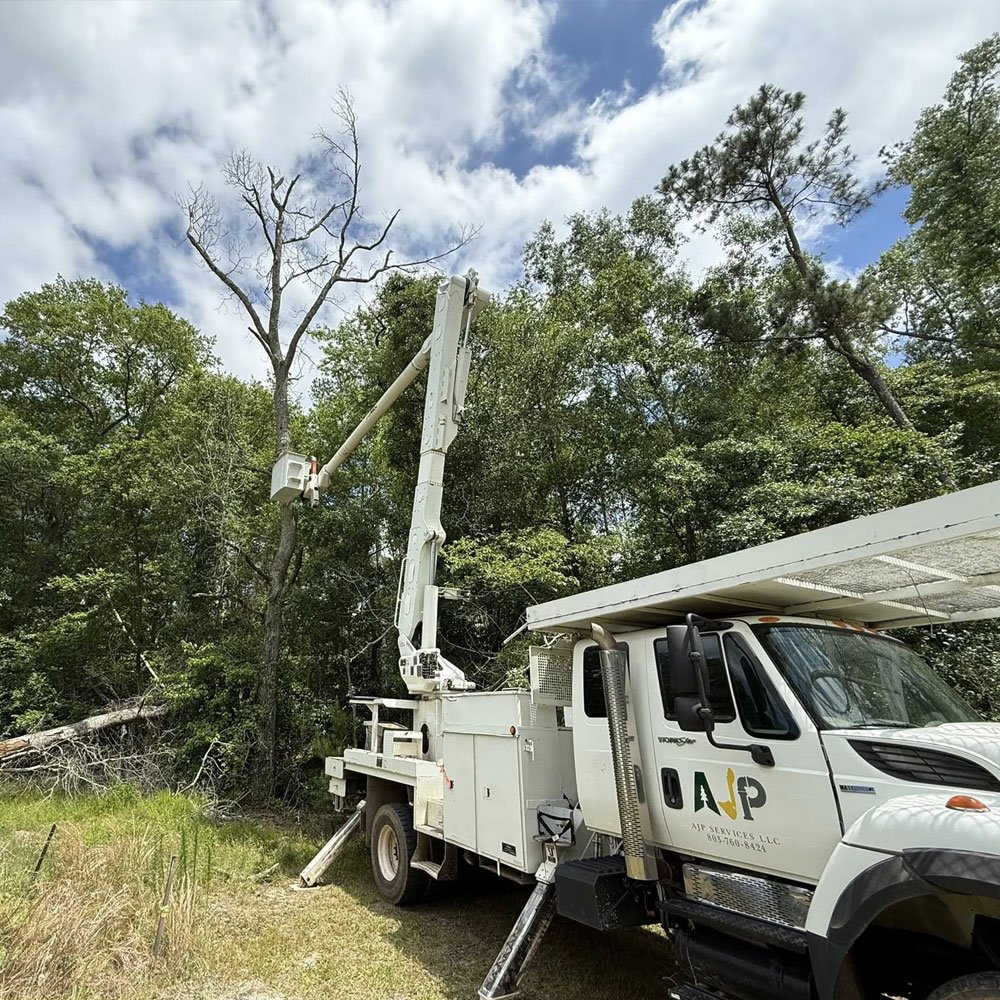
- Dead trees may be unstable and dangerous to remove.
- Storm-damaged trees may require emergency removal.
- Leaning trees can create safety risks during cutting.
When trees are fragile or unpredictable, professionals must take extra precautions, which may increase the cost.
5. Stump Removal or Grinding
Tree removal does not always include stump removal. In many cases, removing the stump is considered a separate service.
Homeowners can choose between:
- Stump grinding
- Complete stump removal
Stump grinding typically costs $100 to $500, depending on the stump size and root system. Grinding removes the visible portion of the stump, while full removal digs out the entire root structure.
Some homeowners choose to leave the stump, while others remove it to improve the appearance and usability of their yard.
6. Cleanup and Debris Removal
After a tree is removed, branches, logs, and debris remain on the property. Some tree removal services include cleanup in their pricing, while others charge additional fees.
Cleanup services may include:
- Hauling away wood and branches
- Chipping brush
- Splitting logs for firewood
- Yard cleanup
If debris removal is included in the service, the price may be slightly higher but saves homeowners time and effort.
7. Emergency Tree Removal
Storms, high winds, and heavy rain can cause trees to fall or become unstable. In these cases, emergency tree removal may be necessary to protect homes, vehicles, and power lines.
Emergency services often cost more because they involve:
- Immediate response
- Dangerous working conditions
- Specialized equipment
- After-hours labor
Although emergency removal may be more expensive, it helps prevent further property damage.
Why Professional Tree Removal Is Important
While it may be tempting to remove a tree without professional help, tree removal is a complex and potentially dangerous task.
Large trees can weigh thousands of pounds, and improper cutting techniques can cause serious injuries or property damage. Professionals have the training, experience, and equipment needed to remove trees safely and efficiently.
Professional tree removal services typically use:
- Chainsaws and cutting tools
- Rigging equipment
- Climbing gear
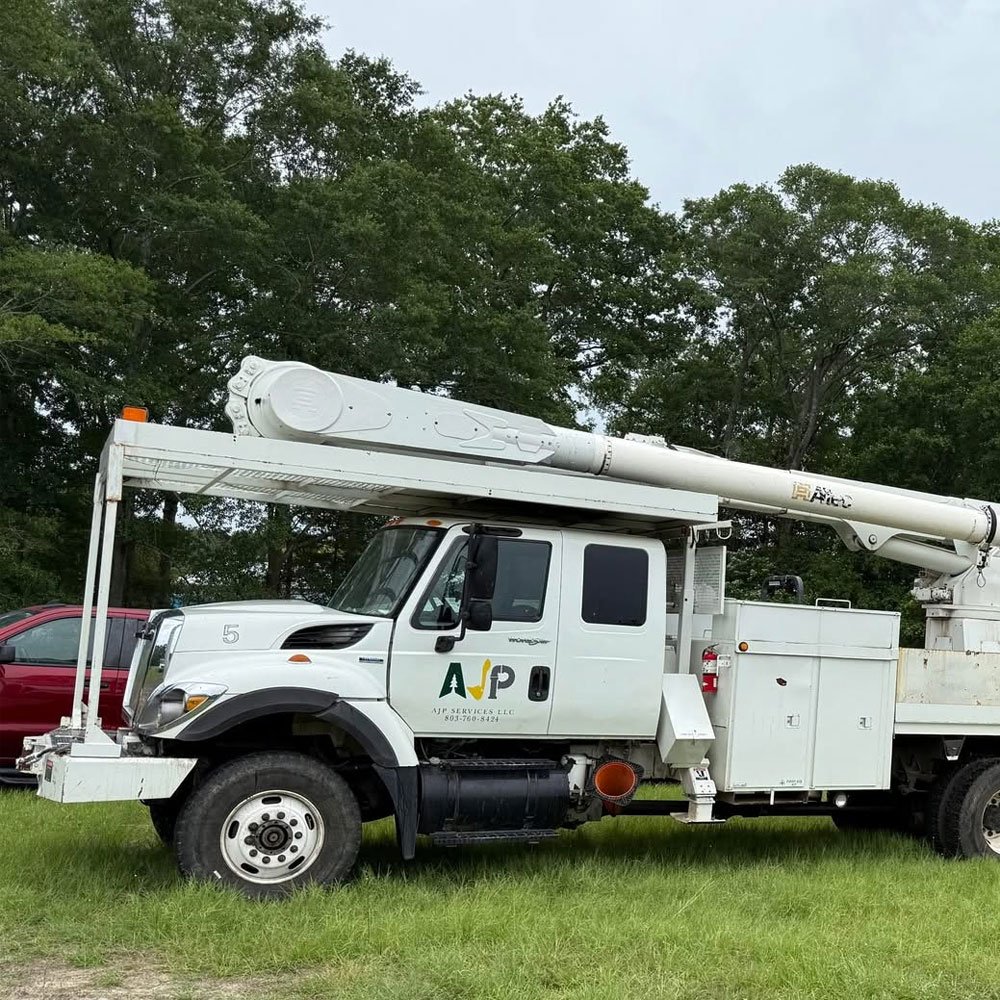
- Cranes for large trees
- Wood chippers
- Safety harnesses and protective equipment
These tools help enthe tree is removed safely without harming nearby structures or landscaping.
When Tree Removal Is Necessary
Tree removal may be needed for several reasons. Some of the most common situations include:
Dead or Dying Trees
Dead trees become brittle and unstable over time. Branches can fall unexpectedly, creating hazards for people and property.
Storm Damage
Strong storms can weaken or split trees. If a tree becomes structurally compromised, removal may be the safest option.
Disease or Pest Infestation
Certain diseases and pests can damage trees beyond recovery. Removing infected trees may help protect surrounding plants.
Safety Concerns
Trees growing too close to homes, driveways, or power lines may eventually create safety issues. Removing them early can prevent future damage.
Property Improvements
Homeowners may remove trees to make space for landscaping projects, construction, or property improvements.
How to Get an Accurate Tree Removal Estimate
Because every tree and property is different, the best way to determine tree removal cost is through a professional inspection.
A tree service professional will evaluate:
- Tree height and diameter
- Tree health and stability
- Location and accessibility
- Potential hazards
- Equipment required for removal
After evaluating these factors, they can provide a detailed estimate for the project.
Tips for Managing Tree Removal Costs
If you are planning tree removal, there are several ways to keep costs manageable.
Get Multiple Estimates
Comparing quotes from different tree service providers can help you understand the typical cost in your area.
Schedule During Off-Peak Seasons
Tree removal companies are often busiest after storms or during peak landscaping seasons. Scheduling during slower periods may reduce costs.
Remove Multiple Trees at Once
If multiple trees need removal, completing the work in one project may lower the overall cost per tree.
Ask About Wood Removal Options
Some homeowners choose to keep the wood for firewood or landscaping. This can reduce hauling and disposal costs.
Tree Removal and Property Value
While removing a tree may seem like a loss, it can sometimes improve property safety and usability.
Removing hazardous trees can:
- Protect homes and vehicles
- Improve yard space
- Prevent damage during storms
- Enhance landscaping projects
Healthy trees add beauty and shade, but damaged or unsafe trees can become a liability.
Conclusion
Tree removal costs depend on many factors, including tree size, location, accessibility, and the complexity of the job. On average, homeowners can expect to pay anywhere from a few hundred dollars to several thousand dollars depending on the project.
Understanding what influences tree removal pricing helps homeowners prepare for the process and make informed decisions about their property.
Professional tree removal services enthat the job is completed safely, efficiently, and with the proper equipment. Whether a tree is damaged, diseased, or simply in the wrong place, removing it responsibly can protect both your home and your landscape.
For property owners dealing with hazardous or unwanted trees, working with experienced professionals ens that the removal process is handled carefully from start to finish.