Severe storms can strike without much warning and often leave behind significant damage to homes, trees, and outdoor spaces. Strong winds, heavy rain, lightning, and falling debris can create dangerous conditions for homeowners and their properties. Storm damage can range from minor issues like broken branches to serious structural damage caused by fallen trees or flooding. Understanding how storms affect your property and knowing how to respond can help reduce damage and ensafety. This storm damage guide explains how homeowners can prepare for severe weather, what to do during a storm, and how to safely handle damage once the storm has passed.
Understanding Storm Damage
Storm damage occurs when extreme weather conditions impact structures, landscaping, and trees on a property. High winds are one of the most common causes of damage because they can snap branches, uproot trees, and send debris flying through the air. Heavy rainfall can also create serious problems by flooding yards, weakening soil, and causing drainage issues around homes. When soil becomes saturated with water, tree roots can lose their stability, making trees more likely to fall during storms.
Lightning strikes and severe winds may also split tree trunks or break large limbs. In some cases, these damaged branches remain hanging in trees and become dangerous hazards that can fall later without warning. Storm damage does not always appear immediately, which is why careful inspection after severe weather is important.
Preparing Your Property Before a Storm
Proper preparation can greatly reduce the risk of storm damage. Many homeowners focus on protecting their homes, but maintaining trees and landscaping is equally important. Trees that are weak or unhealthy are more likely to fall during storms, which can result in major property damage.
One of the first steps in storm preparation is inspecting trees around your property. Look for signs of weakness such as cracked trunks, dead limbs, leaning trees, or visible decay. These warning signs often indicate structural problems that could become dangerous during high winds. Removing hazardous trees before storm season can prevent serious damage later.
Trimming trees is another important step in storm preparation. Overgrown branches that extend over roofs, driveways, or power lines can easily break during storms. Regular pruning removes weak limbs and helps trees maintain a balanced structure, making them more resistant to strong winds.
Homeowners should also secure loose outdoor items before severe weather arrives. Patio furniture, gardening tools, grills, and decorative yard items can become airborne in strong winds and cause damage to homes or vehicles. Storing these items or anchoring them in place reduces this risk.
Maintaining proper drainage is also essential. Heavy rain during storms can overwhelm clogged gutters and blocked drains, causing water to collect near the foundation of the home. Cleaning gutters and ensuring that downspouts direct water away from the house can help prevent water damage and flooding.
Staying Safe During Severe Weather
When a storm begins, personal safety should be the top priority. Homeowners should remain indoors and avoid unnecessary expoto dangerous weather conditions. High winds can send debris flying through the air, making outdoor areas unsafe.
It is best to stay in interior rooms and away from windows during severe storms. Windows can break if struck by debris or branches carried by strong winds. Avoiding areas near large trees is also important, as trees can fall or drop heavy limbs during storms.
Power outages are also common during severe weather. Keeping flashlights, batteries, and emergency supplies available can help households stay safe and prepared if electricity is lost.
Inspecting Property After the Storm
Once the storm has passed, homeowners should carefully inspect their property for damage. However, it is important to proceed cautiously because hidden hazards may still exist.
The first step is performing a safety check. Look for downed power lines, hanging branches, or unstable structures before walking through the yard. If any electrical hazards are present, stay clear of the area and Contact local authorities or utility companies.
Trees should be inspected closely after storms. Even if a tree appears upright, it may still be structurally compromised. Look for signs such as cracked trunks, exposed roots, or branches that are hanging loosely. These issues may indicate that the tree is unstable and could fall later.
Homeowners should also examine their homes for damage. Missing shingles, dented gutters, broken siding, and damaged fences are common problems after storms. Debris on roofs or in gutters should also be noted because it can block drainage and cause additional problems over time.
Taking photos of storm damage is recommended, especially for insurance purposes. Clear documentation helps provide evidence of the damage when filing claims or requesting repairs.
Handling Storm-Damaged Trees
Trees are often the most severely affected part of a property after a storm. Broken limbs, leaning trunks, and fallen trees can create hazardous conditions. Even smaller branches can cause damage if they fall onto structures or vehicles.
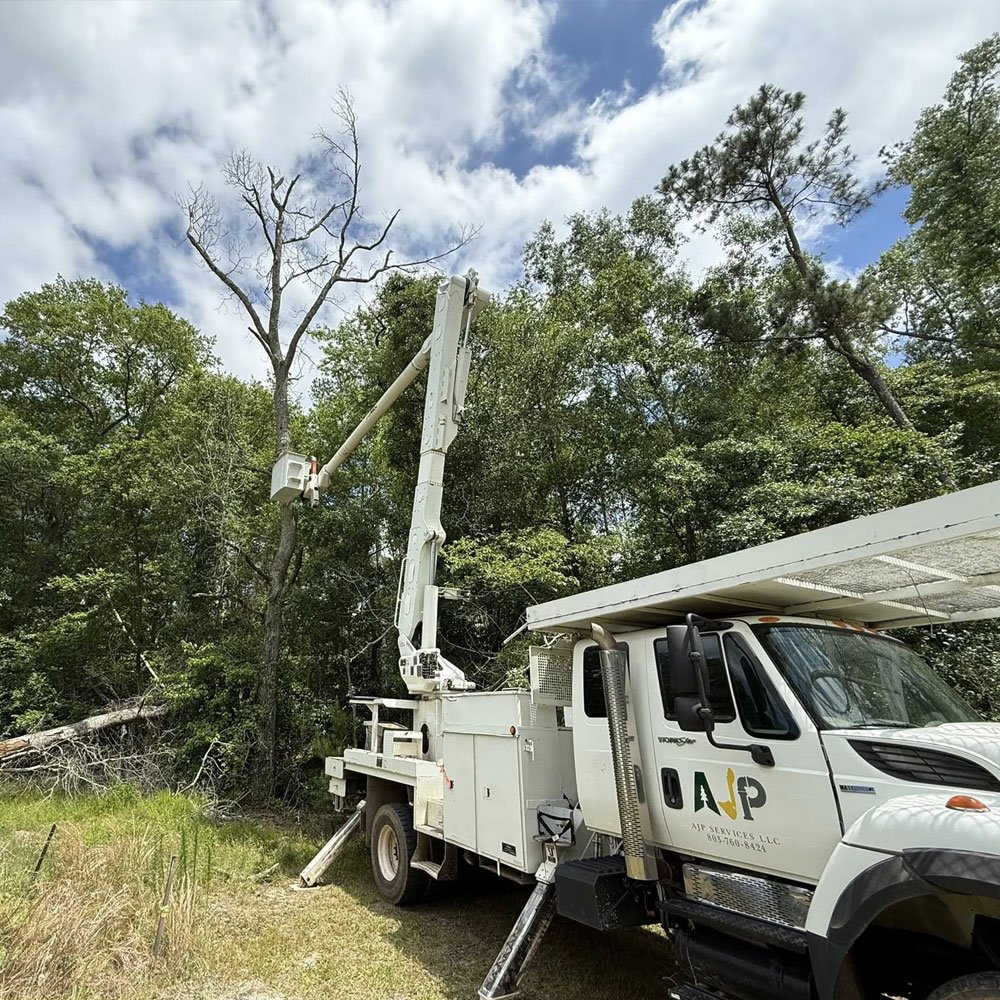
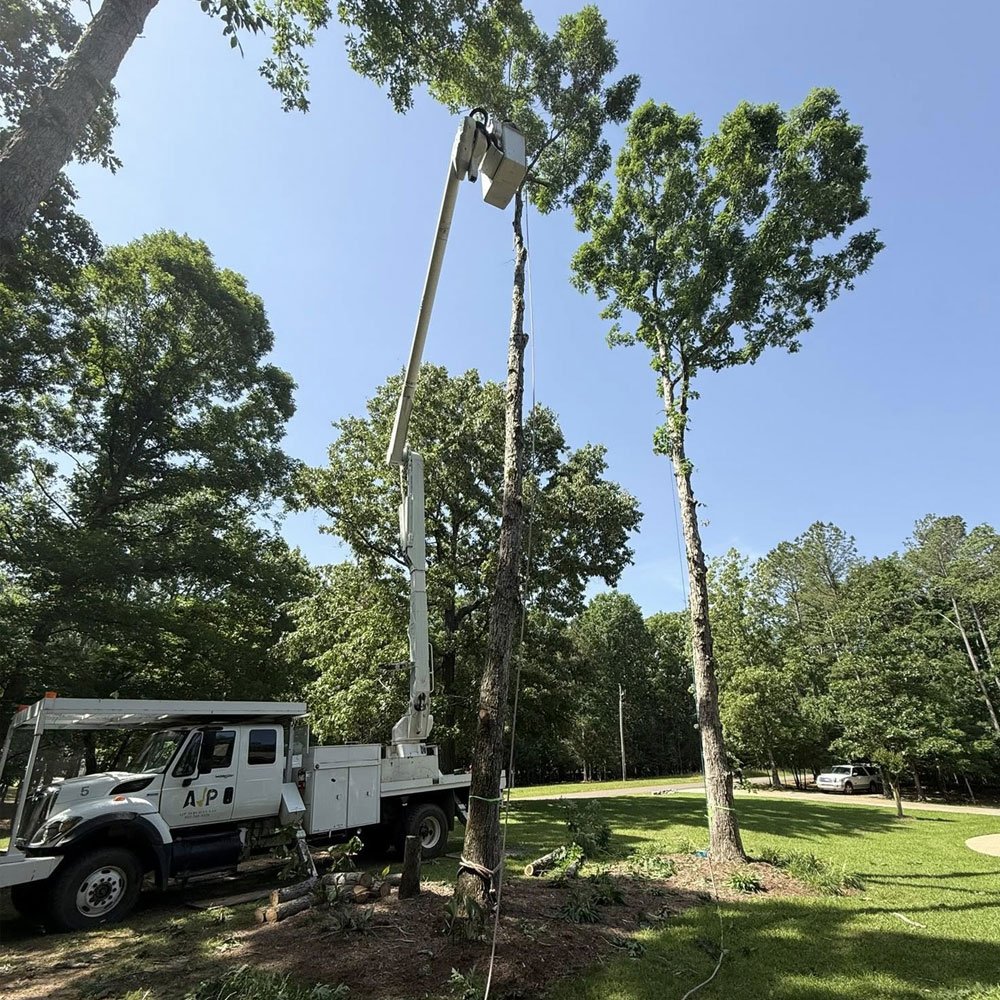
Removing storm-damaged trees can be extremely dangerous if attempted without proper equipment or training. Trees that appear stable may suddenly shift or collapse during removal. For this reason, professional tree removal services are often required for safe cleanup.
Tree service professionals evaluate the condition of damaged trees and determine the safest way to remove them. In some cases, only certain branches need to be trimmed. In other situations, the entire tree must be removed to eliminate the risk of future damage.
When Emergency Tree Removal Is Needed
Some storm situations require immediate attention. Emergency tree removal may be necessary when trees fall on homes, block driveways, or interfere with power lines. These situations can create urgent safety hazards that must be addressed quickly.
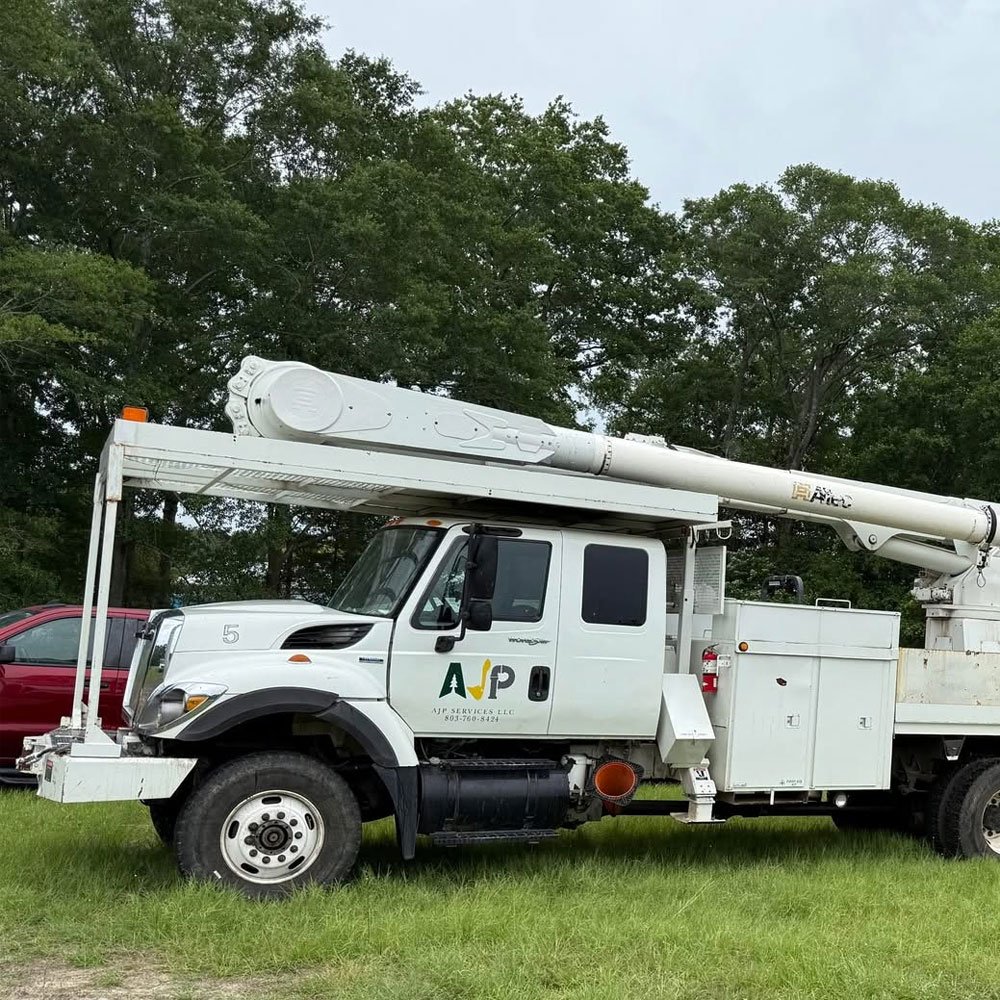
Large trees or branches resting on structures can shift unexpectedly and cause further damage. Professional crews use specialized equipment such as cranes, rigging systems, and safety gear to remove these hazards safely.
Prompt removal of dangerous trees helps restore access to the property and prevents additional damage during future storms.
Cleaning Up After Storm Damage
Once major hazards are removed, homeowners can begin cleaning up their property. Storm cleanup often involves removing branches, leaves, and debris scattered across the yard.
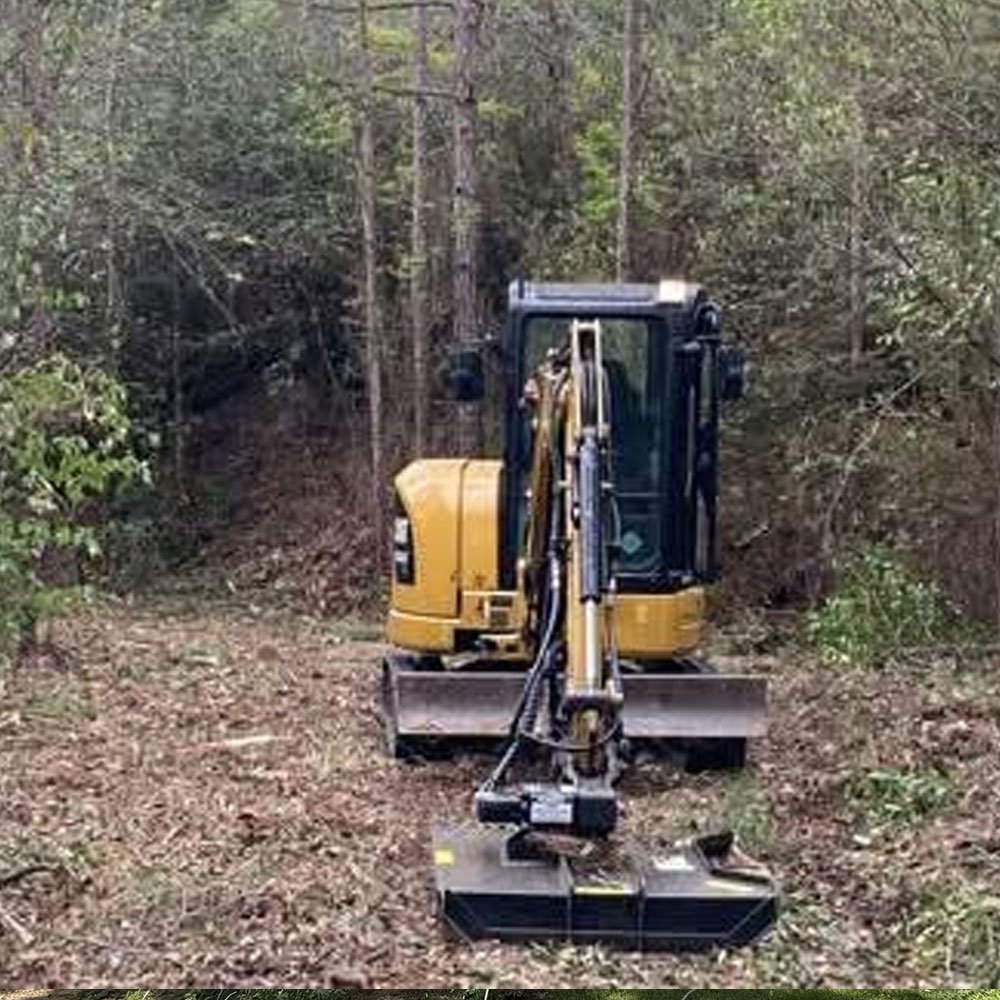
Smaller branches and plant debris can usually be cleared with basic yard tools. However, larger logs or tree sections may require specialized equipment for safe removal.
Checking gutters and drainage systems during cleanup is also important. Storm debris often blocks these areas and can lead to water buildup during the next rainfall.
Repairing landscaping is another step in the recovery process. Storms can damage lawns, garden beds, and outdoor features. Replanting damaged areas and restoring landscaping can help return the property to its original condition.
Preventing Future Storm Damage
Although storms cannot be prevented, homeowners can take steps to reduce the likelihood of serious damage in the future. Regular tree maintenance is one of the most effective ways to protect a property.
Routine inspections help identify unhealthy or unstable trees before they become hazards. Removing dead branches and trimming overgrown limbs keeps trees strong and balanced during high winds.
Monitoring tree growth is also important. As trees grow larger, their branches may begin to extend toward homes, fences, or power lines. Trimming these branches prevents them from becoming dangerous during storms.
Maintaining proper drainage and keeping gutters clear also helps protect homes from heavy rainfall. Water that flows away from the house reduces the risk of flooding and soil erosion.
Conclusion
Storm damage can be stressful and sometimes dangerous for homeowners, but preparation and quick action can significantly reduce its impact. Maintaining healthy trees, securing outdoor items, and ensuring proper drainage are important steps that help protect properties from severe weather.
After a storm, careful inspection and prompt attention to damage are essential. Identifying hazards such as unstable trees or structural damage helps prevent further problems and keeps the property safe.
When storm-damaged trees or large debris are involved, professional assistance is often the safest option. Experienced crews have the tools and knowledge needed to remove hazards and restore the property efficiently. By understanding the risks associated with storms and taking proactive steps to address them, homeowners can protect their homes, landscapes, and families when severe weather strikes.