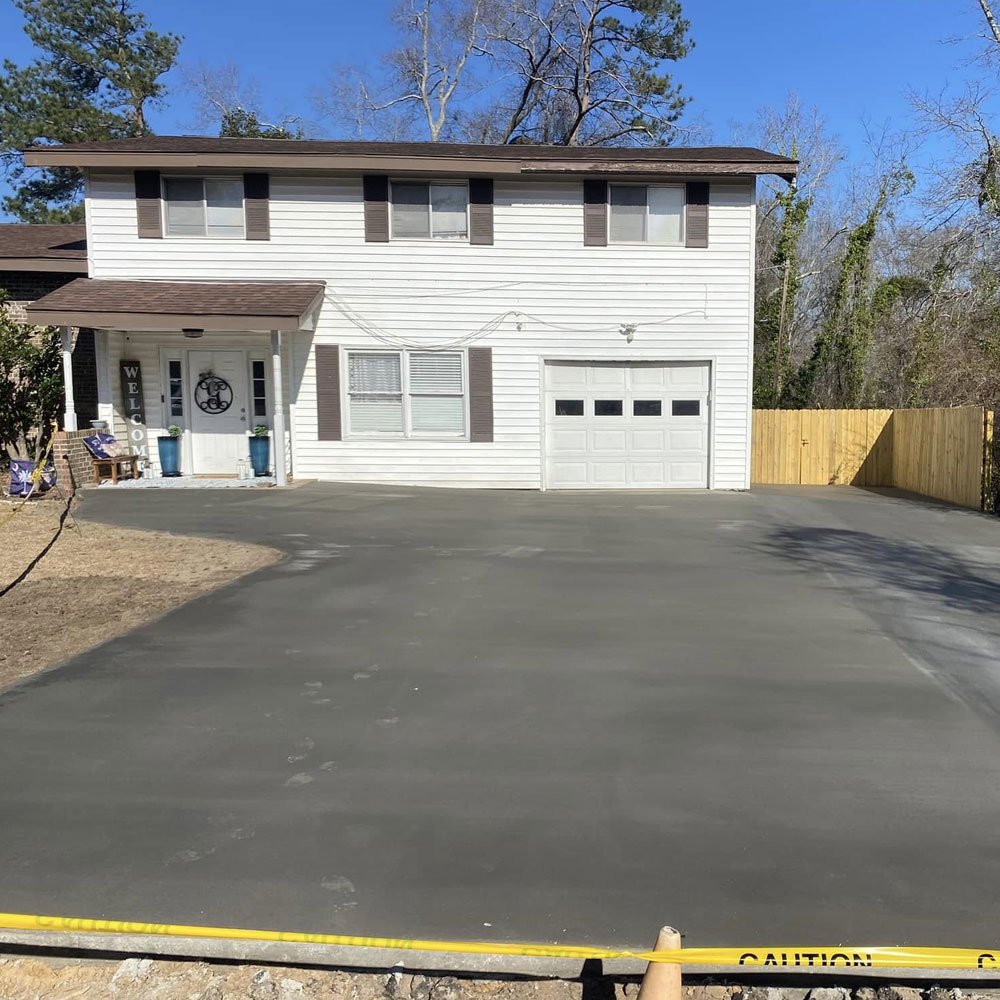
Proper drainage is essential for maintaining a healthy and stable property. In South Carolina, many homeowners experience drainage problems due to heavy rainfall, clay-heavy soil, and changing weather patterns. When water cannot properly flow away from a property, it can create a variety of issues including flooding, soil erosion, foundation damage, and landscape deterioration.
Drainage problems often begin as small inconveniences such as puddles in the yard or slow water runoff. However, if left untreated, these issues can develop into more serious structural concerns that require costly repairs. Understanding the common causes of drainage issues in South Carolina and learning how to address them can help homeowners protect their property and prevent long-term damage.
Why Drainage Problems Are Common in South Carolina
South Carolina’s climate and soil conditions make drainage problems fairly common. The region frequently experiences heavy rainfall, especially during storm seasons. When large amounts of rain fall within a short period of time, the ground may struggle to absorb the excess water.
Another factor is the soil composition found throughout many parts of the state. Clay-heavy soil does not drain water efficiently. Instead of absorbing moisture quickly, clay soil holds water longer, which can lead to standing water or soggy yards.
In addition, some properties were not originally designed with proper grading or drainage systems. When land slopes toward the house instead of away from it, rainwater naturally collects around the foundation.
These conditions together create an environment where drainage problems can easily develop if preventative meas are not in place.
Common Signs of Drainage Issues
Drainage problems rarely appear suddenly. In most cases, homeowners will notice several warning signs before serious damage occurs.
One of the most obvious signs is standing water in the yard after rainfall. If puddles remain for hours or even days after a storm, it may indicate poor drainage or compacted soil that prevents water from soaking into the ground.
Another common indicator is soil erosion. When water flows unevenly across a property, it can wash away soil and create trenches or bare patches in the yard.
Water collecting near the foundation of the home is another major concern. When water sits close to the base of a structure, it can gradually weaken the foundation and potentially lead to cracks or structural instability.
Other warning signs include:
• Water pooling near driveways or walkways
• Basement or crawl space moisture
• Mold or mildew growth near walls
• Soggy or constantly wet landscaping
• Dying plants due to waterlogged soil
Recognizing these symptoms early can help homeowners address the issue before more serious damage occurs.
The Impact of Poor Drainage on Your Property
Drainage issues can affect multiple parts of a property, from the yard to the structure of the home itself. While standing water may seem like a minor nuisance, long-term drainage problems can create significant damage.
One of the most serious risks is foundation damage. When water consistently collects around a home’s foundation, the soil expands and contracts as it absorbs and releases moisture. Over time, this movement can lead to cracks in the foundation walls.
Poor drainage can also cause basement flooding or crawl space moisture problems. Excess moisture in these areas creates an ideal environment for mold growth, which can affect indoor air quality and lead to health concerns.
Landscape damage is another common result of drainage problems. Plants and grass can struggle to survive in overly saturated soil. At the same time, erosion caused by water flow can remove valuable topsoil and damage garden beds.
In extreme cases, poor drainage can even weaken nearby trees. Waterlogged soil reduces the stability of tree roots, increasing the risk of trees leaning or falling during storms.
Common Causes of Drainage Problems
Several factors can contribute to drainage issues on residential properties.
One of the most common causes is improper yard grading. Ideally, the ground around a home should slope away from the foundation so that rainwater flows outward rather than toward the house. If the yard slopes in the wrong direction, water naturally collects near the structure.
Clogged gutters and downspouts can also create drainage problems. When gutters fill with leaves and debris, rainwater cannot flow properly through the drainage system. Instead, water spills over the edges and collects near the base of the house.
Compacted soil is another major cause. Over time, foot traffic, construction, or heavy equipment can compress soil and reduce its ability to absorb water. When soil becomes too dense, rainwater remains on the surface instead of draining properly.
Landscaping changes can also affect drainage patterns. Adding new patios, driveways, or retaining walls may redirect water flow in unexpected ways, creating areas where water accumulates.
How Drainage Solutions Can Help
Fortunately, many drainage issues can be corrected with proper solutions designed to manage water flow effectively. The best approach depends on the specific conditions of the property.
One of the most effective solutions is French drain installation. French drains use a perforated pipe placed underground and surrounded by gravel to redirect water away from problem areas. This system helps collect excess water and move it to a safer drainage location.
Surface drains are another useful option. These drains are typically installed in areas where water frequently pools, such as low spots in the yard or near driveways. Surface drains capture water and channel it into underground pipes for removal.
Regrading the yard is another common solution. By adjusting the slope of the land around a home, water can be directed away from the foundation instead of toward it.
Extending downspouts can also improve drainage. Downspouts that release water too close to the home often contribute to foundation problems. Extending them several feet away from the structure helps move water further from the property.
Preventing Drainage Problems
Preventative maintenance plays a major role in reducing drainage issues. Regular property inspections can help homeowners identify small problems before they become larger concerns.
Cleaning gutters at least twice a year helps enthat rainwater flows properly through the drainage system. Keeping downspouts clear and directing water away from the home also helps prevent pooling.
Homeowners should also monitor the condition of their yard after heavy rainfall. Areas that frequently collect water may require additional drainage improvements.
Planting vegetation in erosion-prone areas can also help stabilize soil and reduce water runoff. Grass, shrubs, and ground cover plants help absorb moisture and improve soil stability.
When to Seek Professional Help
While some minor drainage problems can be addressed with simple maintenance, more complex issues often require professional evaluation. Properties experiencing persistent standing water, soil erosion, or foundation moisture should be inspected by experienced professionals.
Drainage specialists can analyze the property layout, soil conditions, and water flow patterns to determine the most effective solution. In many cases, professional drainage systems such as French drains or grading adjustments are necessary to fully resolve the issue.
Professional services enthat drainage systems are installed correctly and function properly over the long term.
Conclusion
Drainage issues are a common concern for homeowners in South Carolina due to heavy rainfall, clay-rich soil, and changing weather conditions. While some drainage problems may start as minor inconveniences, they can quickly develop into serious property concerns if left unresolved.
Standing water, soil erosion, and foundation moisture are all warning signs that drainage improvements may be necessary. By identifying these problems early and implementing proper solutions, homeowners can protect their homes, landscapes, and overall property value.
Maintaining gutters, monitoring yard conditions, and addressing drainage concerns promptly can help prevent long-term damage. With the right approach, effective drainage systems can keep water flowing away from your property and ena safer, healthier outdoor environment.