Forestry mulching has become one of the most efficient and environmentally friendly land clearing methods available today. Property owners, land developers, and farmers often choose forestry mulching when they need to clear brush, small trees, and dense vegetation without damaging the soil. Unlike traditional land clearing methods that involve bulldozers, burning, or hauling debris away, forestry mulching turns unwanted vegetation directly into mulch that remains on the ground.
This process is widely used for property development, trail creation, lot clearing, and land management. Understanding how forestry mulching works and when it should be used can help property owners make better decisions when clearing land.
What Is Forestry Mulching?
Forestry mulching is a land clearing method that uses specialized equipment to cut, grind, and shred trees, brush, and vegetation into small pieces. These pieces are then spread across the ground as a natural layer of mulch.
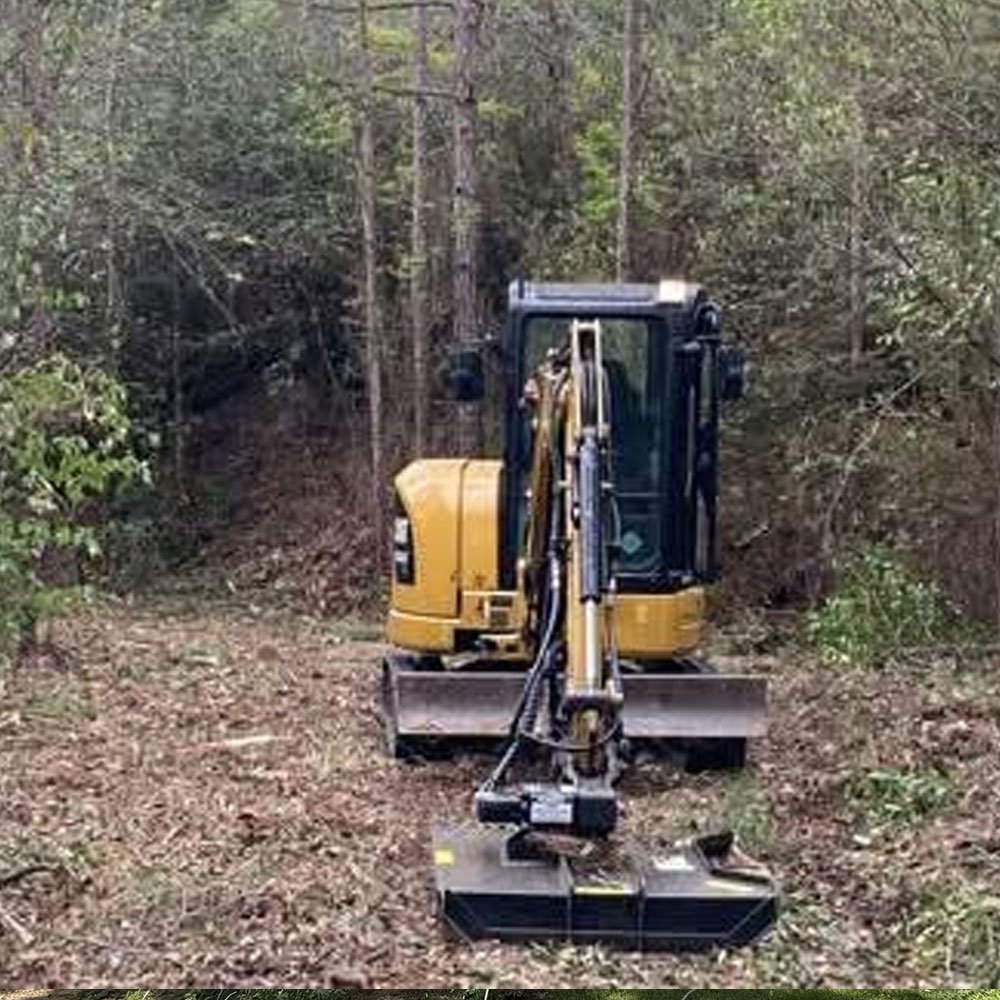
The equipment used for forestry mulching typically includes a machine such as a skid steer, excavator, or dedicated forestry mulcher equipped with a rotating drum or cutting head. This powerful attachment breaks down vegetation quickly and efficiently while leaving the soil relatively undisturbed.
Instead of removing trees and brush and hauling them away, forestry mulching processes everything directly on site. The result is a cleared area covered with organic mulch that helps protect the soil and improve land conditions.
How Forestry Mulching Works
The forestry mulching process begins with a professional assessment of the property. During this stage, operators evaluate the density of vegetation, the size of trees, and the terrain of the land. This helps determine the type of equipment needed for the job.
Once the project begins, the mulching machine moves across the property cutting and grinding vegetation. The rotating drum or cutting head shreds trees, brush, and undergrowth into small wood chips.
As the machine moves forward, the shredded material is spread evenly across the ground. This mulch layer acts as a protective covering for the soil while the cleared land becomes immediately usable.
Because forestry mulching processes vegetation in place, the entire clearing process is typically faster than traditional land clearing methods.
Benefits of Forestry Mulching
Forestry mulching offers several advantages compared to other clearing techniques. These benefits make it a popular choice for landowners looking for efficient and environmentally responsible solutions.
Efficient Land Clearing
One of the biggest advantages of forestry mulching is its efficiency. The process cuts, grinds, and spreads vegetation in a single step. This eliminates the need for multiple machines or additional debris removal.
Traditional clearing methods may involve cutting trees, piling debris, hauling materials away, and leveling the land. Forestry mulching simplifies this process and saves time.
Environmentally Friendly
Forestry mulching is considered an eco-friendly land management solution. Because vegetation is converted into mulch rather than removed or burned, organic material remains on the property.
The mulch helps protect soil from erosion, improves moisture retention, and gradually breaks down to add nutrients back into the soil.
This natural process supports healthy soil conditions and promotes long-term land sustainability.
Reduced Soil Disturbance
Unlike bulldozers and heavy excavation equipment, forestry mulching machines work directly on the surface without digging up large amounts of soil.
This helps preserve the natural structure of the land and reduces the risk of erosion. The mulch layer also helps stabilize the soil during heavy rainfall.
Improved Property Access
Dense vegetation and thick brush can make certain areas of a property difficult to access. Forestry mulching quickly clears pathways, trails, and open spaces.
This makes it easier to use the land for recreation, farming, construction preparation, or property maintenance.
No Burning or Hauling Required
Traditional land clearing often involves burning piles of debris or transporting materials off-site. Forestry mulching eliminates both of these steps.
Because vegetation is processed into mulch on the property, cleanup and disposal costs are significantly reduced.
When Forestry Mulching Is the Best Option
Forestry mulching is suitable for a wide range of land clearing projects. It works especially well in areas with heavy brush, small trees, and overgrown vegetation.
Some common situations where forestry mulching is used include:
• Clearing overgrown land for development
• Preparing lots for construction
• Maintaining hunting properties
• Creating walking or ATV trails
• Managing vegetation along fence lines
• Clearing underbrush in wooded areas
• Improving property visibility and access
This method is particularly useful when landowners want to clear vegetation while preserving the natural landscape.
Forestry Mulching vs Traditional Land Clearing
Traditional land clearing methods often involve bulldozers, chainsaws, and large excavation equipment. While these methods can be effective, they typically create more disruption to the land.
Bulldozing often removes topsoil along with vegetation, which can lead to erosion and soil damage. Large piles of debris must also be hauled away or burned.
Forestry mulching provides a more controlled approach. Instead of removing vegetation completely, it processes the material and leaves beneficial mulch behind. This helps protect the soil and reduces environmental impact.
Additionally, forestry mulching usually requires fewer machines and less time, making it a more efficient option for many projects.
Types of Vegetation Forestry Mulching Can Handle
Forestry mulching is effective for clearing a wide variety of vegetation types. The equipment is powerful enough to process thick brush and small to medium-sized trees.
Common vegetation cleared with forestry mulching includes:
• Overgrown brush
• Shrubs and small trees
• Thick undergrowth
• Vines and invasive plants
• Dense wooded areas
However, extremely large trees may require additional removal techniques before mulching can occur.
The Role of Mulch in Land Health
One of the major advantages of forestry mulching is the mulch layer it creates. This organic material provides several benefits for soil health and land management.
Mulch acts as a protective barrier that reduces soil erosion caused by wind and rain. It also helps retain moisture in the soil, which supports plant growth and improves soil quality.
As the mulch breaks down over time, it releases nutrients that enrich the soil. This natural fertilization process helps maintain a healthier ecosystem on the property.
The mulch layer can also help suppress weed growth by limiting sunlight reaching the soil surface.
Safety and Professional Equipment
Forestry mulching requires specialized machinery and trained operators to perform safely and effectively. The equipment used for this process includes powerful cutting heads capable of shredding vegetation quickly.
Professional operators understand how to navigate different terrains and handle equipment safely around trees, slopes, and obstacles.
Attempting large-scale land clearing without the proper machinery or experience can be dangerous and inefficient. Professional forestry mulching services enthe job is completed safely and with minimal disruption to the surrounding environment.
Preparing Land After Forestry Mulching
Once forestry mulching is complete, the property is usually ready for immediate use. The mulch layer provides ground coverage while the cleared land becomes accessible.
Depending on the purpose of the project, the land can be used for several purposes after clearing, including:
• Landscaping improvements
• Agricultural preparation
• Construction planning
• Trail development
• Property maintenance
Some property owners choose to leave the mulch layer in place, while others may perform additional grading or soil preparation depending on their plans.
Maintaining Cleared Land
After land has been cleared using forestry mulching, ongoing maintenance helps prevent vegetation from returning too quickly. Regular trimming or occasional mulching can help maintain open spaces.
Monitoring the property for invasive plants or rapid brush growth also helps preserve the cleared area. With proper maintenance, forestry mulching can keep land accessible and manageable for years.
Conclusion
Forestry mulching is a highly effective and environmentally responsible method for clearing land. By grinding vegetation into mulch directly on site, this process eliminates the need for burning, hauling, or excessive soil disturbance.
The method provides multiple benefits including improved soil health, reduced erosion, and efficient land clearing. It is commonly used for property maintenance, development preparation, trail creation, and vegetation management.
For landowners looking to clear brush, small trees, or overgrown areas, forestry mulching offers a practical solution that balances efficiency with environmental care. With the right equipment and professional expertise, forestry mulching can transform overgrown land into usable space while preserving the natural condition of the property.