Tree trimming is an essential part of maintaining healthy trees and keeping your property safe. While trees naturally grow and develop on their own, proper trimming helps remove dead or weak branches, improves tree structure, and prevents potential hazards. Without regular maintenance, trees can become overgrown, unstable, or even dangerous during storms.
Understanding the best practices for tree trimming can help homeowners preserve the beauty of their landscape while protecting their property from falling branches or damaged trees. Whether you have a few trees in your yard or a large wooded property, following the right trimming techniques ens trees remain healthy, balanced, and strong.
Why Tree Trimming Is Important
Tree trimming serves several important purposes beyond simply improving the appearance of your yard. One of the main benefits of trimming is promoting healthy tree growth. Removing dead or diseased branches allows the tree to focus its energy on developing strong, healthy limbs.
Trimming also improves the structure of a tree. Over time, trees can develop uneven or overcrowded branches that compete for sunlight and nutrients. Carefully removing certain branches allows light and air to circulate through the canopy, helping the tree grow more evenly.
Another important reason for trimming is safety. Large branches that hang over roofs, driveways, or power lines can become hazardous, especially during storms. Regular trimming reduces the risk of branches breaking and causing damage to homes, vehicles, or nearby structures.
In addition, tree trimming can enhance the overall appearance of a property. Well-maintained trees create a cleaner, more attractive landscape and improve the value of a home.
When Is the Best Time to Trim Trees?
Timing plays a major role in successful tree trimming. While some minor trimming can be done throughout the year, certain seasons are better suited for major pruning.
Late winter and early spring are often considered the best times for trimming many tree species. During this period, trees are usually dormant, which means they are not actively growing. Trimming during dormancy allows trees to recover more easily and encourages healthy growth once the growing season begins.
Trimming during winter also makes it easier to see the structure of the tree because many trees have shed their leaves. This allows for more precise pruning and better shaping of the canopy.
However, certain trees may benefit from trimming during different times of the year depending on their species and growth patterns.
Remove Dead or Diseased Branches
One of the most important tree trimming practices is removing dead or diseased branches. These branches can weaken the overall structure of the tree and pose safety risks if they fall unexpectedly.
Dead branches often appear dry, brittle, or without leaves during growing seasons. Diseased branches may show signs such as discoloration, unusual growths, or peeling bark.
Removing these branches helps prevent the spread of disease to other parts of the tree. It also reduces the chance of limbs breaking during storms or strong winds.
Avoid Over-Trimming
While trimming is beneficial, removing too many branches at once can harm a tree. Over-trimming can stress the tree and reduce its ability to produce energy through photosynthesis.
A general guideline is to avoid removing more than about 20 to 25 percent of the tree’s canopy in a single trimming session. Removing too much foliage can weaken the tree and make it more vulnerable to disease or pests.
Gradual trimming over time allows the tree to recover properly and maintain healthy growth.
Trim Branches That Cross or Rub Together
Branches that cross or rub against each other can create wounds in the bark. These wounds allow pests and diseases to enter the tree.
When trimming, it is important to remove branches that grow inward or cross other limbs. This helps create better spacing within the canopy and reduces friction between branches.
Proper spacing also allows sunlight and air to reach more parts of the tree, which improves overall health.
Maintain Proper Tree Shape
Maintaining the natural shape of a tree is another key trimming practice. Each tree species has its own natural growth pattern, and trimming should support that structure rather than drastically altering it.
Avoid cutting the top of a tree in a practice known as “topping.” Topping can cause rapid, weak regrowth and significantly damage the tree’s structure. Instead, focus on removing specific branches while preserving the overall form of the tree.
Shaping the canopy gradually helps maintain a balanced appearance and encourages strong branch development.
Cut Branches Correctly
Proper cutting techniques are essential when trimming trees. Incorrect cuts can damage the tree and slow the healing process.
Branches should be cut just outside the branch collar, which is the slightly swollen area where the branch meets the trunk. This area contains cells that help the tree seal the wound naturally.
Cutting too close to the trunk or leaving large stubs can interfere with the healing process and increase the risk of disease.
For larger branches, it is often recommended to use a three-cut method to prevent bark from tearing. This method involves making an initial cut underneath the branch, followed by a second cut from above to remove the limb, and finally trimming the remaining stub near the branch collar.
Trim Branches Away From Structures
Trees that grow close to homes, fences, or power lines should be trimmed regularly to prevent potential damage. Overhanging branches can break during storms and fall onto roofs or vehicles.
Keeping branches trimmed away from structures helps protect property and improves safety. It also reduces the likelihood of leaves and debris clogging gutters.
When trimming near power lines, it is important to use caution and consider professional assistance due to safety risks.
Monitor Tree Health Regularly
Tree trimming should not be a one-time task. Regular monitoring helps identify issues early before they become serious problems.
Homeowners should periodically inspect trees for signs such as dead branches, cracks in the trunk, pest infestations, or unusual growth patterns. Addressing these issues early helps maintain tree health and reduces the need for major trimming later.
Routine inspections are especially important after storms, as strong winds can damage branches or weaken tree structures.
Use Proper Tools
Using the correct tools is important for safe and effective tree trimming. Sharp, clean tools create smoother cuts and reduce stress on the tree.
Common tools used for tree trimming include pruning shears, loppers, hand saws, and chainsaws for larger branches. Keeping tools clean helps prevent the spread of disease between trees.
Protective equipment such as gloves, safety glasses, and helmets may also be necessary depending on the size of the job.
When to Hire Professional Tree Services
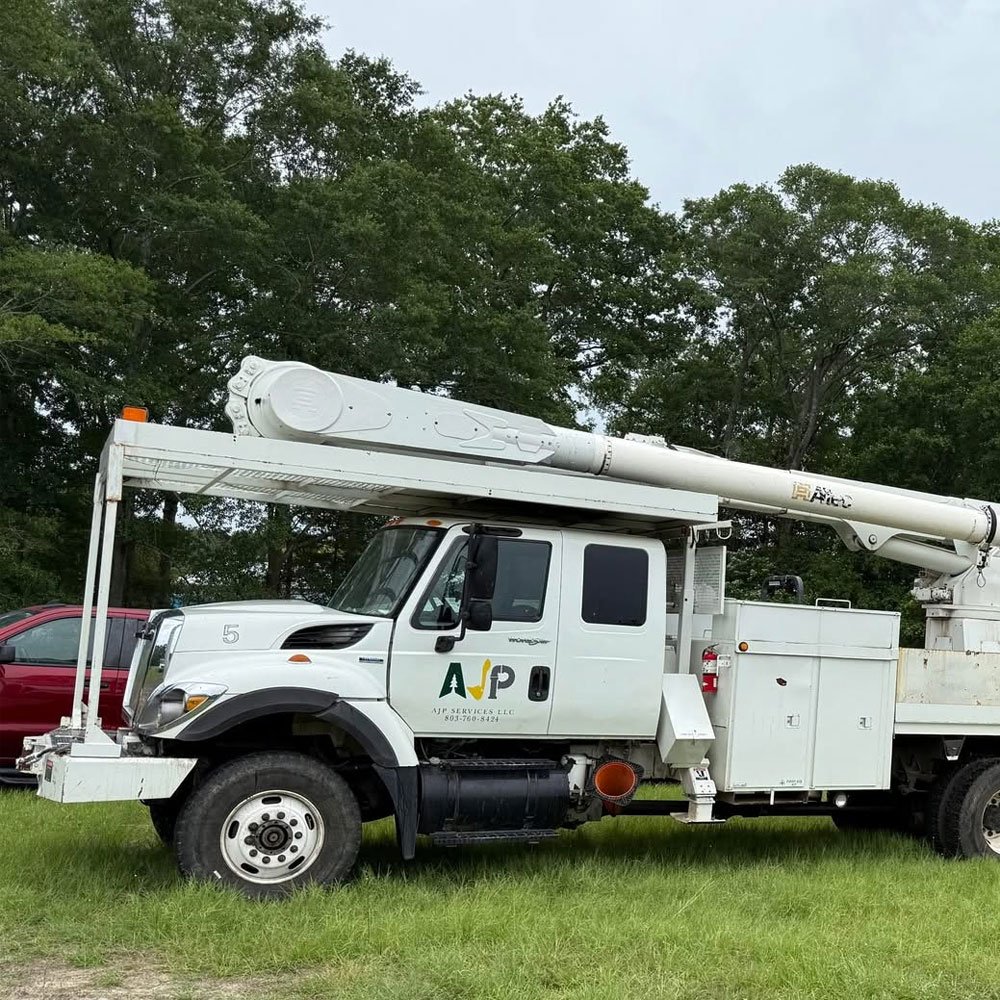
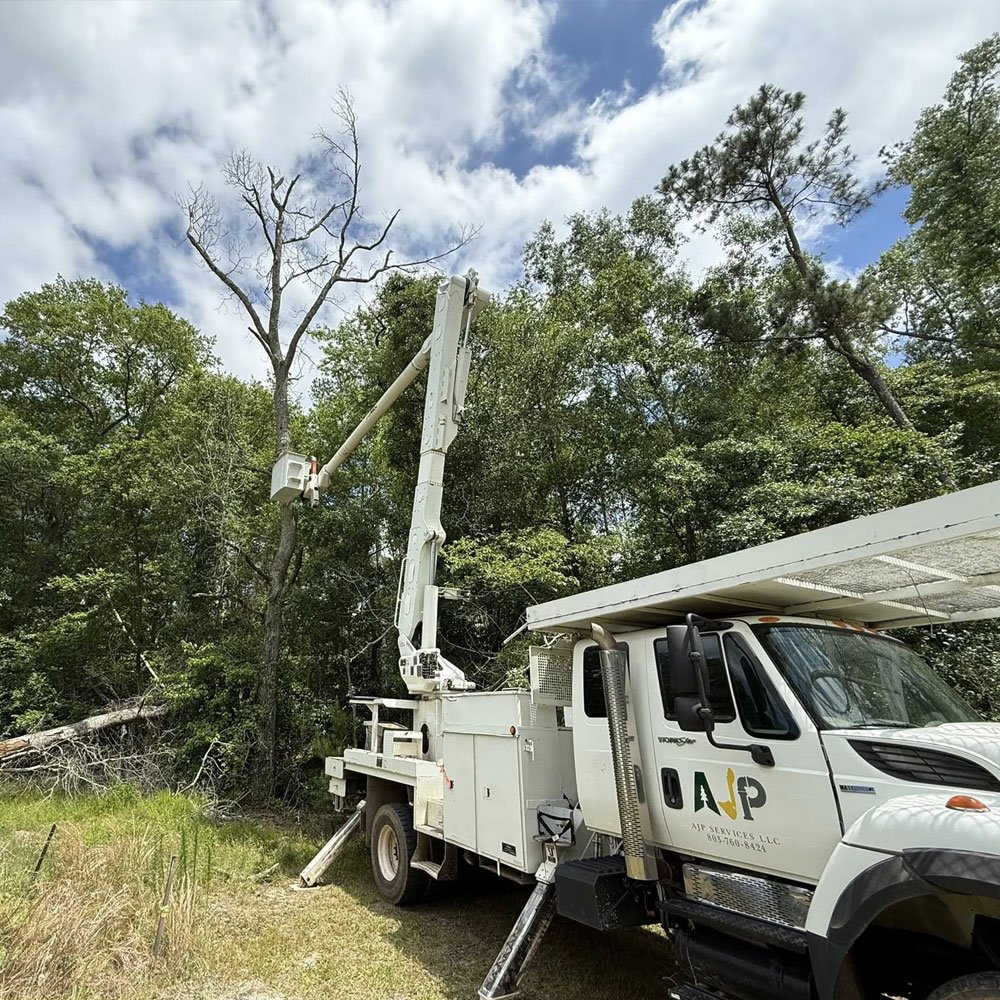
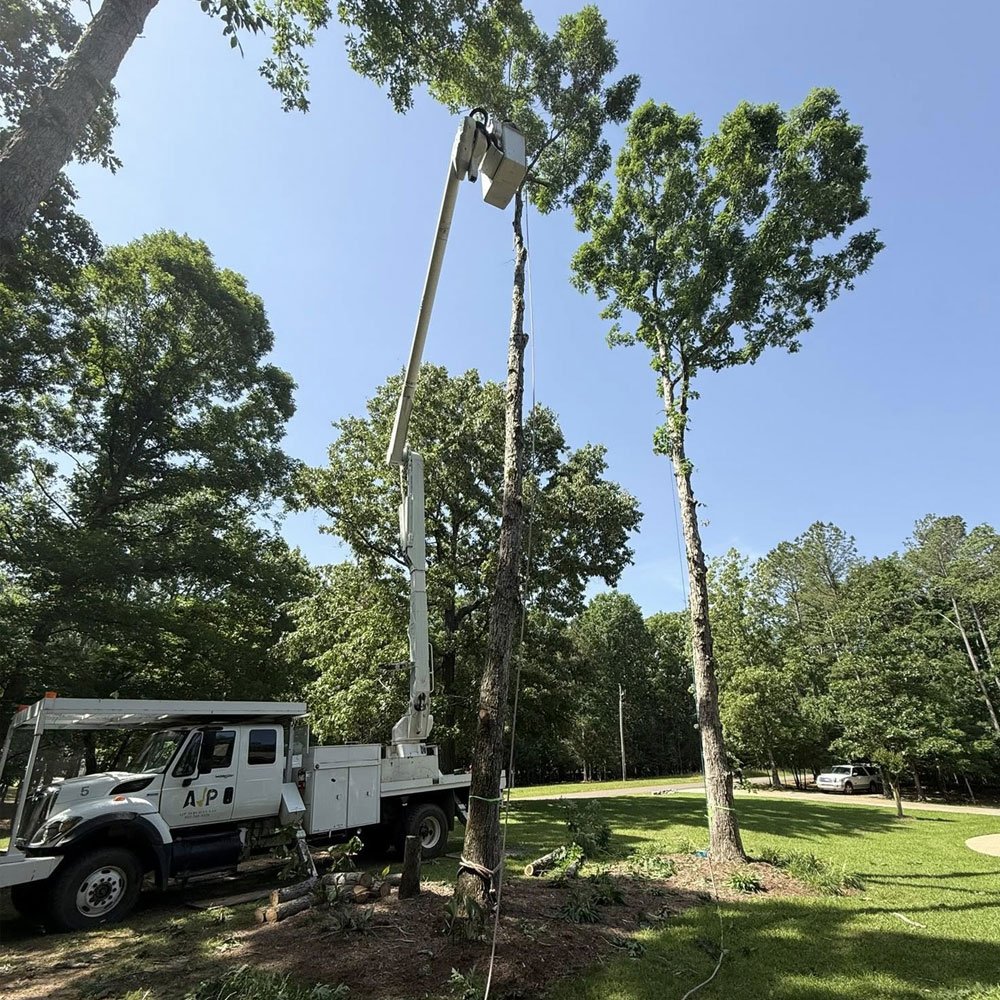
While homeowners can handle small trimming tasks, larger trees or complex trimming projects often require professional assistance. Large branches high above the ground can be dangerous to remove without proper training and equipment.
Professional tree service crews have specialized tools, climbing equipment, and safety gear to handle difficult trimming situations. They also understand proper pruning techniques for different tree species.
Hiring professionals is especially important when trees are located near power lines, structures, or tight spaces.
Long-Term Benefits of Proper Tree Trimming
Following proper tree trimming practices provides several long-term benefits. Healthy trees are more resistant to storms, pests, and diseases. Regular trimming helps maintain strong branch structures that can withstand environmental stress.
Well-maintained trees also improve the appearance of a property and create a more inviting outdoor space. In many cases, healthy mature trees can increase property value and enhance landscaping.
In addition, trimming helps trees live longer by preventing structural weaknesses and encouraging balanced growth.
Conclusion
Tree trimming is an important part of responsible property maintenance. By removing dead branches, maintaining proper tree shape, and using correct trimming techniques, homeowners can promote healthier and safer trees.
Regular trimming helps prevent hazards, improves tree structure, and enhances the beauty of outdoor spaces. Paying attention to tree health and addressing problems early ens that trees continue to thrive for years to come.
Whether trimming small branches or managing large trees, following these best practices helps protect both your property and the natural landscape around it.