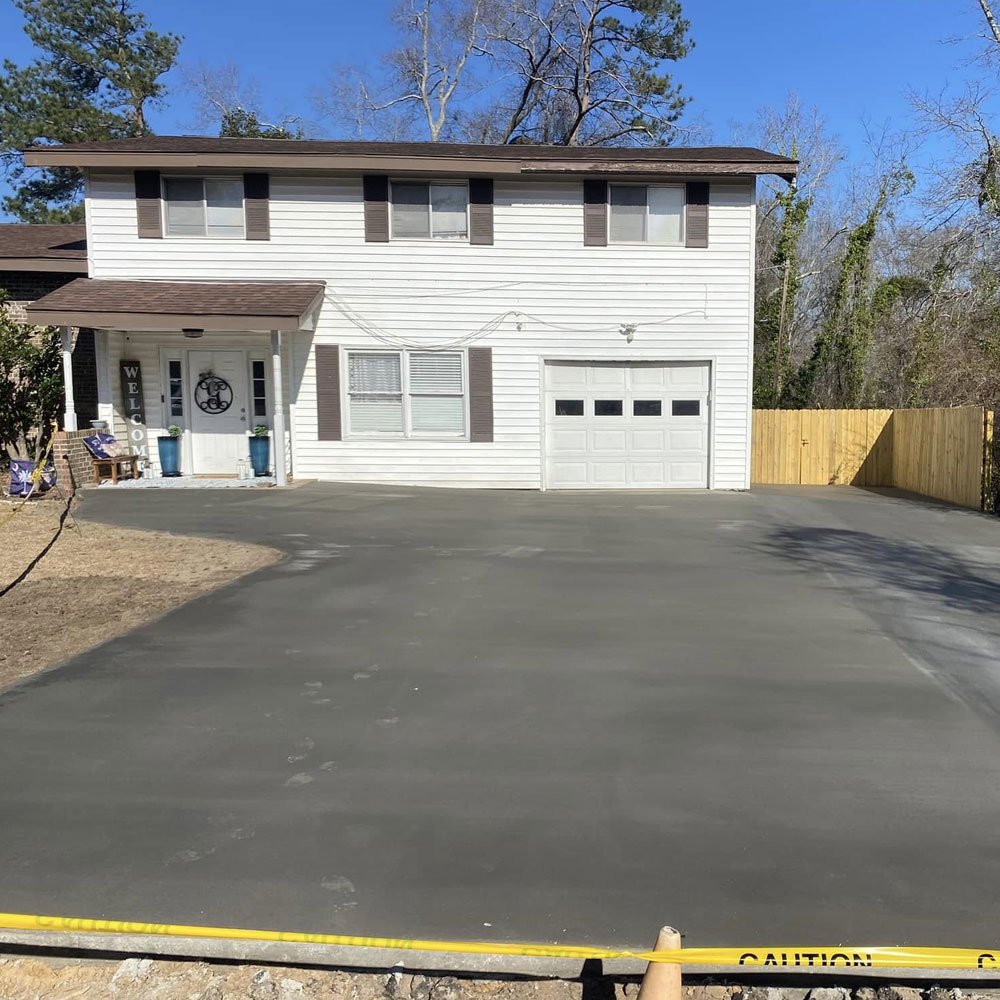
Drainage issues are a common problem for homeowners across South Carolina. The state’s frequent rainfall, clay-heavy soil, and occasional tropical storms can lead to standing water, soggy yards, and foundation problems. Without proper drainage, excess water can damage landscaping, weaken foundations, and even attract pests.
Fortunately, several effective drainage solutions can help homeowners protect their property and maintain a healthy landscape.
Why Drainage Problems Are Common in South Carolina
Many properties in South Carolina experience drainage issues because of environmental factors. These include:
Heavy Rainfall
Seasonal storms and hurricanes often bring intense rain that overwhelms natural drainage systems.
Clay Soil
Clay-heavy soil does not absorb water easily, which causes water to remain on the surface.
Flat Terrain
Some areas have minimal slope, preventing water from naturally flowing away from homes.
These conditions make proper drainage systems essential for homeowners.
Signs Your Property Has Drainage Problems
Before choosing a drainage solution, homeowners should identify the warning signs of poor drainage. Common indicators include:
- Water pooling in the yard after rain
- Muddy or soggy patches that never dry
- Water collecting near the foundation
- Basement or crawl space moisture
- Erosion in landscaping areas
If these problems appear frequently, installing a drainage system can prevent long-term property damage.
French Drains
French drains are one of the most popular drainage solutions for residential properties.
A French drain consists of a perforated pipe placed in a trench filled with gravel. The system collects excess water and redirects it away from the home.
Benefits of French Drains:
- Prevents water from pooling in yards
- Protects home foundations
- Works well in clay-heavy soil
- Long-lasting and low maintenance
French drains are particularly effective for areas where water consistently gathers.
Surface Drains
Surface drains are designed to capture water that collects on top of the ground. These drains use grates placed at low points in the yard or driveway to collect runoff.
The water then flows through underground pipes and exits in a safe location away from the property.
Advantages of Surface Drains:
- Ideal for driveways and patios
- Prevents standing water
- Reduces flooding during heavy rain
- Quick and efficient water removal
They are often combined with other drainage systems for better results.
Downspout Extensions
Many drainage problems occur because rainwater from roofs collects too close to the home’s foundation. Downspout extensions help redirect this water further away from the house.
By extending the downspout several feet away from the foundation, homeowners can significantly reduce the risk of water damage.
Benefits:
- Simple and affordable solution
- Protects foundations
- Prevents soil erosion around the home
Dry Wells
Dry wells are underground structures designed to collect and slowly disperse water into the surrounding soil. They are particularly useful in areas where water accumulates after storms.
Dry wells store excess water temporarily and allow it to gradually seep into the ground.
Advantages:
- Reduces standing water
- Prevents flooding in yards
- Works well with gutter systems
Proper Yard Grading
Sometimes the simplest solution is adjusting the slope of the yard. Proper grading ens that water naturally flows away from the home instead of toward it.
Landscaping professionals can reshape the yard so rainwater drains safely without pooling.
Landscaping for Drainage
Strategic landscaping can also improve water flow. Installing rain gardens, gravel beds, or water-absorbing plants can help manage runoff naturally.
These solutions are both functional and visually appealing, making them popular among homeowners.
Final Thoughts
Drainage problems can cause serious damage if left untreated. Fortunately, homeowners in South Carolina have several effective options to manage excess water. Solutions such as French drains, surface drains, dry wells, and proper grading can significantly improve drainage and protect homes from water damage.
By addressing drainage issues early and installing the right systems, homeowners can maintain a safe, dry, and healthy property even during heavy rainstorms.