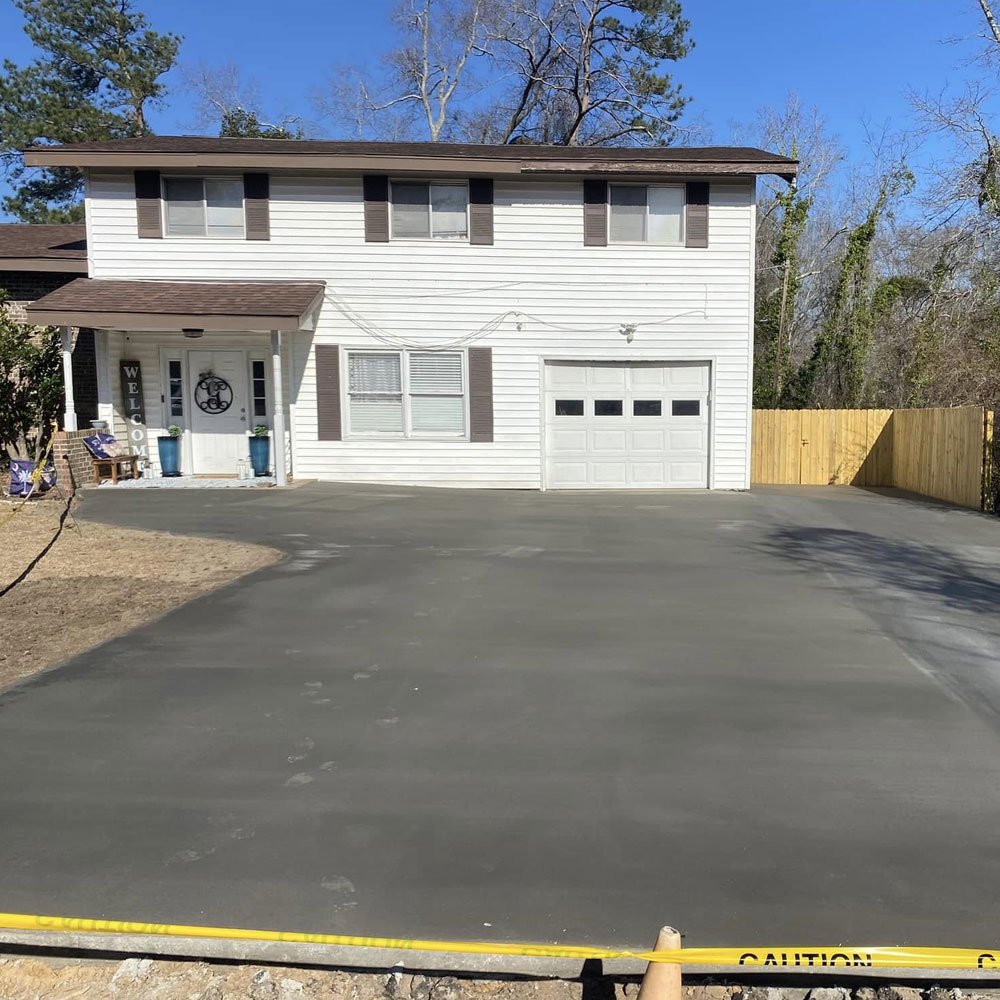
Severe weather can strike with little warning, bringing strong winds, heavy rain, lightning, and even hurricanes. These storms can cause major damage to homes, trees, roofs, and landscaping. For homeowners in storm-prone areas like South Carolina, preparing your property before severe weather arrives is essential for protecting both your home and your family.
Taking preventive steps before storms occur can significantly reduce the risk of costly repairs and structural damage. This guide outlines the most effective ways to protect your home before severe weather hits.
Understand the Risks of Severe Weather
Severe storms can cause damage in several ways. High winds may tear off roof shingles, heavy rainfall can flood yards and basements, and lightning can damage electrical systems. Trees may also fall or lose large branches, posing a danger to nearby structures.
Some of the most common storm-related problems include:
- Roof leaks and missing shingles
- Fallen trees or broken branches
- Flooded yards and poor drainage
- Damaged gutters and siding
- Power outages and electrical hazards
Understanding these risks allows homeowners to prepare their properties more effectively.
Inspect and Maintain Your Roof
Your roof is the first line of defense against severe weather. If it is weak or damaged, even moderate storms can cause significant problems.
Check for Loose or Missing Shingles
Loose shingles can easily be torn off during strong winds. Inspect your roof regularly for missing or damaged shingles and replace them immediately.
Inspect Flashing and Seals
Flashing around chimneys, vents, and skylights prevents water from entering your home. Damaged flashing can lead to leaks during heavy rainfall.
Clear Debris from the Roof
Leaves and debris can trap water on the roof, increasing the risk of leaks. Removing debris helps water flow properly toward gutters.
Maintain Trees Around Your Property
Trees can become dangerous during storms if they are not properly maintained. High winds can break branches or uproot weak trees.
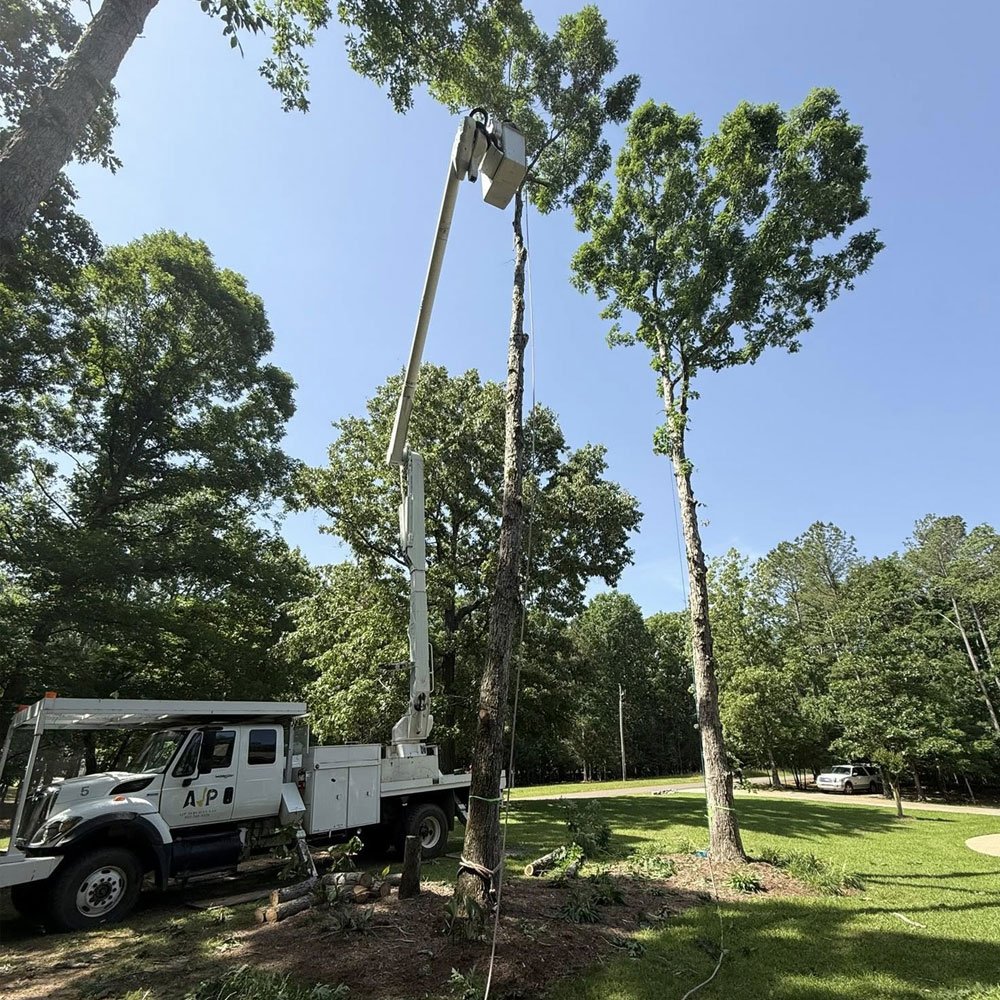
Trim Overhanging Branches
Branches that hang over roofs, driveways, or power lines are more likely to break during storms. Regular trimming reduces the risk of damage.
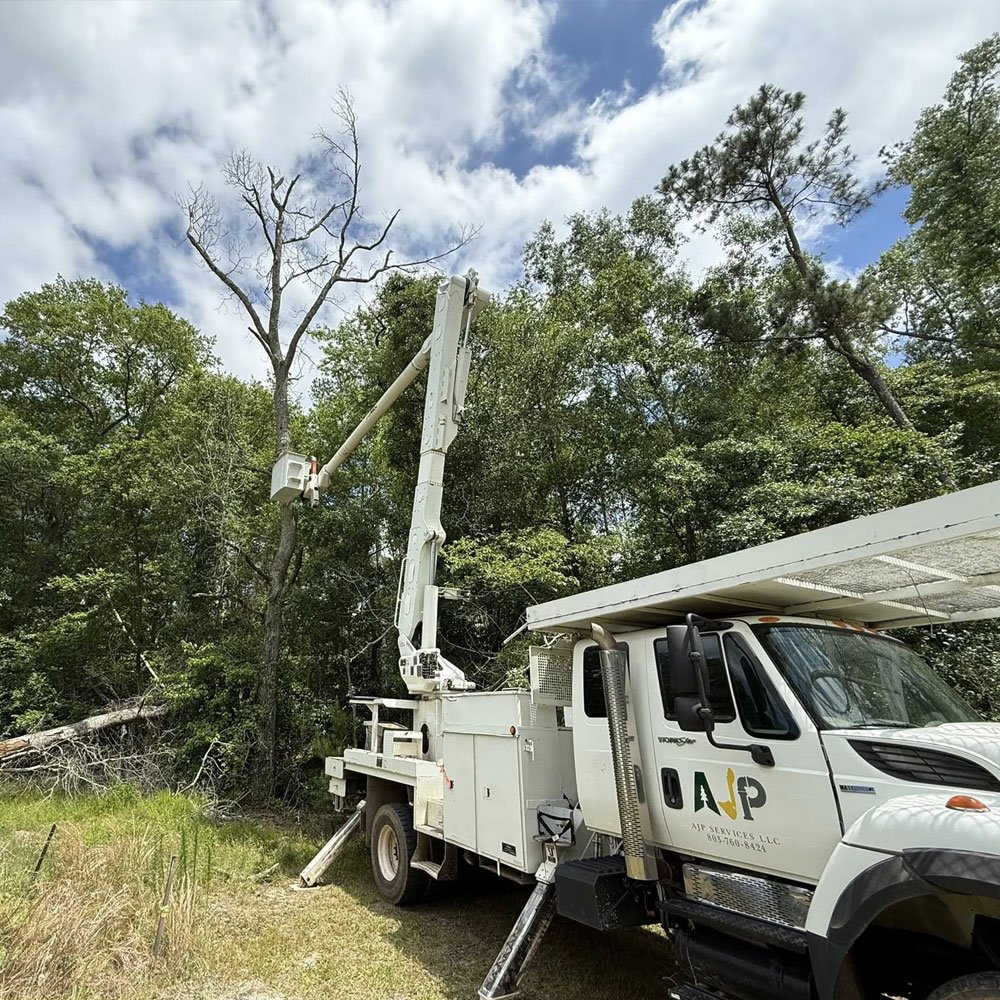
Remove Dead or Diseased Trees
Dead trees are extremely vulnerable during storms. Removing them before severe weather arrives can prevent accidents and property damage.
Inspect Tree Stability
Look for signs of unstable trees, such as leaning trunks, cracked branches, or exposed roots. These trees may require professional evaluation.
Clean and Maintain Gutters
Gutters and downspouts play a crucial role in directing rainwater away from your home. When they become clogged, water may overflow and damage the roof, siding, or foundation.
Homeowners should:
- Remove leaves and debris from gutters
- Check downspouts for blockages
- Enwater flows away from the home’s foundation
Installing gutter guards can also help prevent debris buildup.
Improve Yard Drainage
Poor drainage can lead to flooding and soil erosion during heavy storms. If rainwater collects in your yard, it may eventually damage your home’s foundation.
Some effective drainage solutions include:
- French drains to redirect water underground
- Surface drains to capture excess water
- Downspout extensions to move rainwater away from the house
- Proper yard grading to enwater flows away from structures
Good drainage helps prevent water-related damage during severe storms.
Secure Outdoor Items
Outdoor furniture, grills, garden tools, and decorations can become dangerous projectiles during strong winds.
Before severe weather arrives, homeowners should:
- Store loose items in a garage or shed
- Anchor outdoor furniture
- Secure trash bins and recycling containers
- Remove lightweight decorations from the yard
These simple precautions can prevent additional damage to your property.
Check Windows and Doors
Windows and doors are vulnerable entry points for wind and rain during severe storms.
Inspect Window Seals
Cracked seals or gaps around windows allow water and wind to enter the home. Sealing these gaps improves protection.
Consider Storm Shutters
Storm shutters provide extra protection during hurricanes and strong windstorms. They help prevent broken glass and interior damage.
Reinforce Doors
Exterior doors should be strong and properly secured. Reinforcing door frames can help them withstand strong winds.
Prepare an Emergency Safety Plan
Preparing your home is only part of storm readiness. Homeowners should also have an emergency safety plan for their families.
Important preparation steps include:
- Creating an emergency kit with food, water, and flashlights
- Charging phones and backup batteries
- Identifying a safe room inside the home
- Monitoring weather alerts and storm warnings
Having a plan ens that your household can respond quickly during severe weather.
Schedule Professional Inspections
While homeowners can perform basic maintenance, professionals can identify hidden risks that may not be obvious.
Consider scheduling inspections for:
- Tree health and stability
- Roofing condition
- Yard drainage systems
- Structural safety around the property
Professional maintenance can greatly reduce the chances of severe storm damage.
Final Thoughts
Severe weather can cause extensive damage to homes and properties, but many risks can be minimized with proper preparation. By maintaining your roof, trimming trees, cleaning gutters, and improving drainage, you can significantly strengthen your home’s defenses against storms.
Homeowners who take proactive steps before storm season are far less likely to experience serious property damage. With careful planning and regular maintenance, you can protect your home, reduce repair costs, and enyour property stays safe during even the most powerful storms.