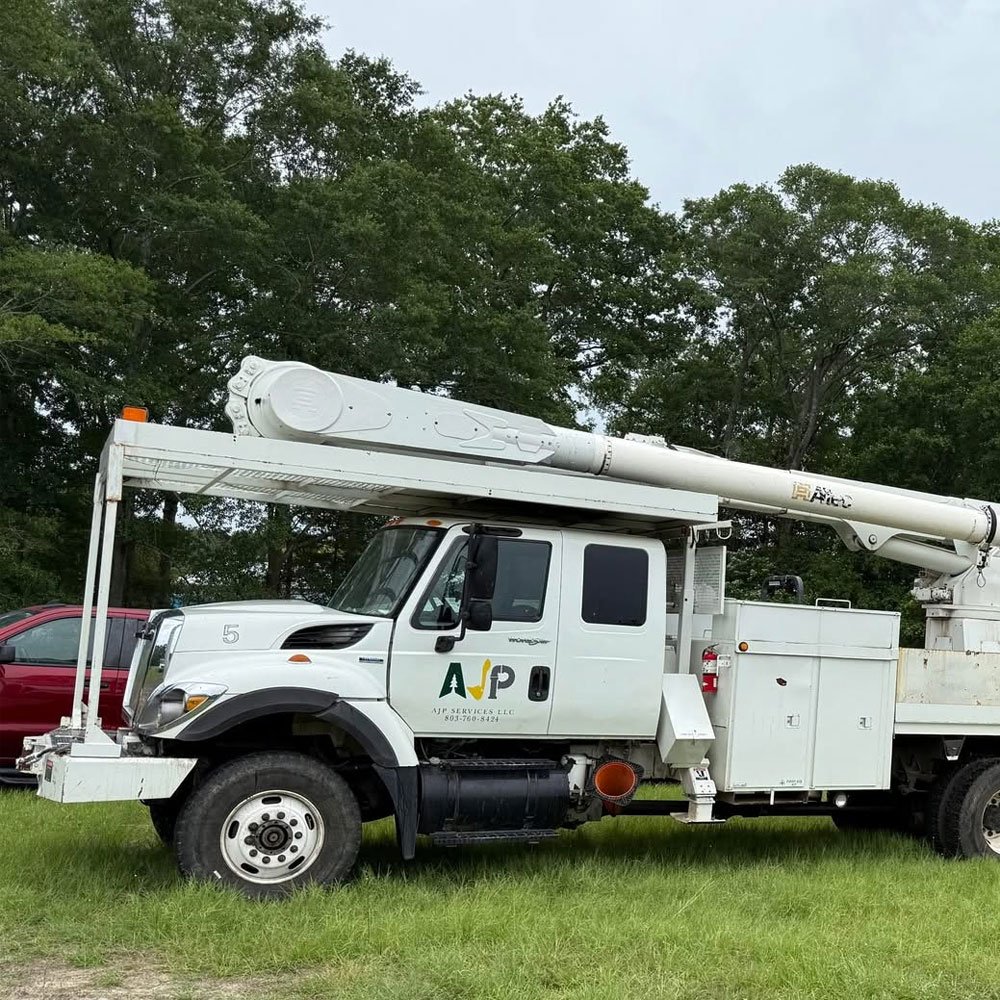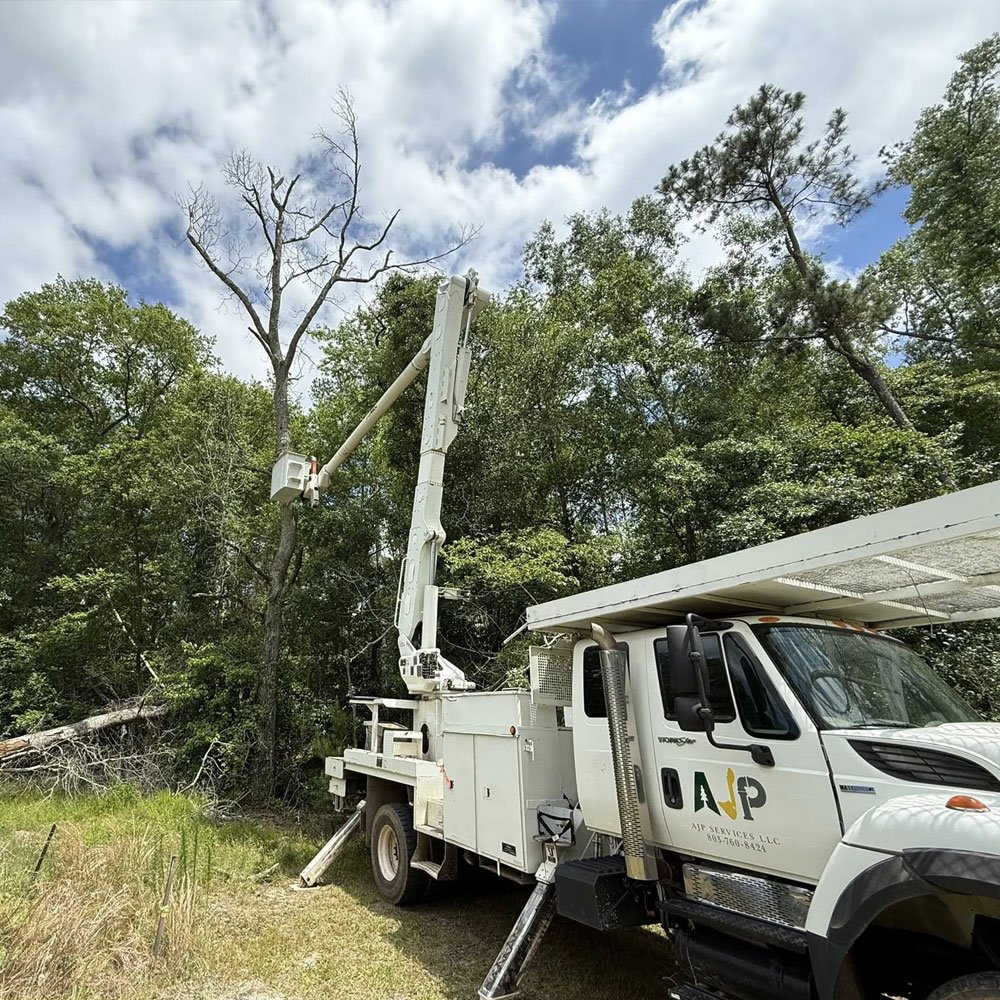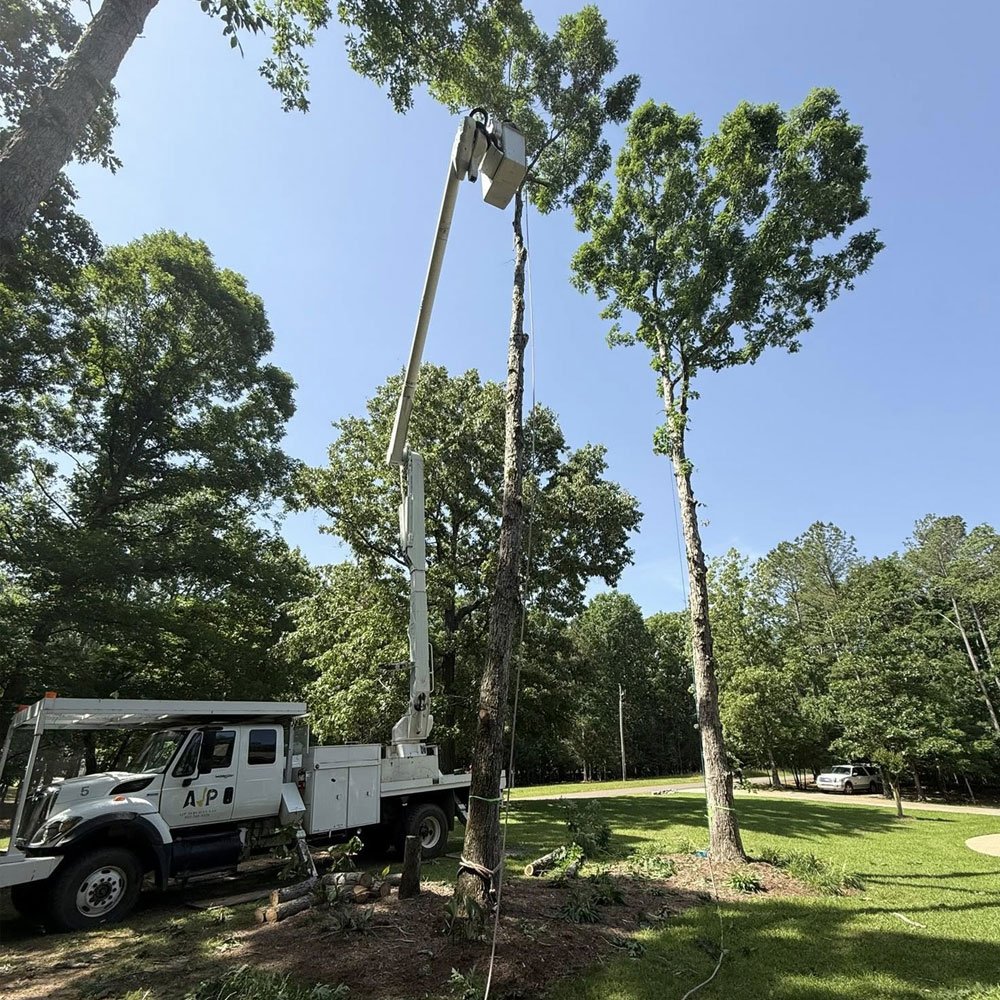
Storms can leave behind more than just puddles and scattered debris. Heavy rain, strong winds, lightning, and saturated soil can cause trees to crack, lean dangerously, or fall entirely onto homes, driveways, power lines, and vehicles. For homeowners, storm-damaged trees are not just an inconvenience — they can become a serious safety hazard within minutes.
Whether you are dealing with a fallen oak tree after a thunderstorm or hanging limbs following high winds, knowing what to do immediately after storm damage can help protect your family, reduce property damage, and speed up recovery. Emergency tree removal is often necessary when damaged trees threaten structures, block access, or create dangerous conditions around your property.
In this guide, we’ll walk through everything homeowners should know about emergency tree removal after storm damage, including warning signs, immediate safety steps, insurance considerations, cleanup tips, and how professional tree services can help restore your property safely.
Why Storm-Damaged Trees Are So Dangerous
Trees are incredibly strong, but severe weather can weaken even healthy trees. Wind pressure, lightning strikes, waterlogged roots, and heavy branches can quickly destabilize a tree.
After a storm, a tree may look stable from a distance while actually being structurally compromised. Cracked trunks, split limbs, exposed roots, and leaning trees can fail unexpectedly, putting people and property at risk.
Common storm-related tree hazards include:
- Fallen trees on homes or garages
- Hanging or broken limbs
- Trees leaning toward structures
- Split trunks
- Uprooted trees
- Branches tangled in power lines
- Blocked driveways or roads
- Hidden internal damage
Even small branches can cause injury during cleanup. Larger trees may weigh several tons and require specialized equipment for safe removal.
The First Things Homeowners Should Do After Storm Damage
The moments after a storm are often stressful and chaotic. It’s important to stay calm and focus on safety first.
1. Check for Immediate Danger
Before inspecting damage, make sure everyone in the home is safe. Stay away from:
- Downed power lines
- Hanging branches
- Split or leaning trees
- Flooded areas near trees
- Trees touching electrical equipment
Never attempt to move branches near power lines. Contact emergency services or the utility company immediately.
If a tree has fallen on your home, evacuate the area if there is structural damage, gas leaks, or electrical hazards.
2. Avoid DIY Tree Removal
Many homeowners underestimate how dangerous storm-damaged trees can be. Attempting to remove a damaged tree without professional training can lead to severe injuries or additional property damage.
Emergency tree removal often involves:
- Chainsaw operation
- Climbing unstable trees
- Crane assistance
- Rigging systems
- Electrical hazard management
Broken branches can shift suddenly under pressure, and partially fallen trees may collapse unexpectedly.
Professional arborists and emergency tree crews have the training and equipment necessary to remove hazardous trees safely.
3. Document the Damage
Before cleanup begins, take detailed photos and videos of:
- Fallen trees
- Damaged structures
- Vehicles affected
- Broken fences
- Roof damage
- Landscaping destruction
These records may help support homeowners insurance claims later.
Take photos from multiple angles and save copies of repair estimates and invoices.
Signs a Tree Needs Emergency Removal
Not all storm-damaged trees need immediate removal, but some situations require urgent professional attention.
A Tree Has Fallen on a Structure
If a tree lands on:
- Your home
- Garage
- Shed
- Fence
- Vehicle
Immediate removal is usually necessary to prevent further collapse or water intrusion.
Large Branches Are Hanging
Broken limbs suspended in the canopy are extremely dangerous. These “widowmakers” can fall without warning.
Large hanging branches should only be removed by trained professionals using proper climbing and rigging techniques.
The Tree Is Leaning Suddenly
A tree that suddenly leans after a storm may have suffered root failure.
Warning signs include:
- Exposed roots
- Cracked soil
- Tilting trunk
- Soil lifting around the base
Even if the tree hasn’t fallen yet, it may collapse at any moment.
The Trunk Is Split or Cracked
Severe trunk damage weakens structural integrity.
Deep cracks or splits can make a tree unstable, especially during future storms.
In many cases, removal is safer than attempting preservation.
Trees Are Touching Power Lines
This is one of the most dangerous storm scenarios.
Never approach trees entangled in electrical wires. Contact your utility company immediately and wait for professionals.
Common Causes of Storm Tree Failures
Understanding why trees fail during storms can help homeowners prevent future emergencies.
Weak or Diseased Trees
Trees weakened by disease, pests, or decay are more likely to break during storms.
Signs of unhealthy trees include:
- Dead branches
- Hollow trunks
- Fungus growth
- Bark peeling
- Sparse leaves
Routine inspections can help identify these issues before storms occur.
Poor Root Systems
Construction damage, compacted soil, and overwatering can weaken roots.
Shallow root systems are especially vulnerable during heavy rain and high winds.
Overgrown Branches
Large limbs extending too far from the trunk can snap under wind pressure.
Regular pruning helps reduce stress on the tree canopy.
Lightning Strikes
Lightning can split trunks instantly or cause hidden internal damage that weakens the tree over time.
Some lightning-damaged trees survive, while others require removal.
Saturated Soil
Heavy rainfall softens the ground and reduces root stability.
Large trees can uproot entirely when strong winds combine with saturated soil.
Why Professional Emergency Tree Removal Matters
Storm cleanup is not just about cutting branches. It requires strategic planning, specialized equipment, and safety expertise.
Professional tree removal companies provide:
- 24/7 emergency response
- Hazard assessments
- Safe removal methods
- Crane operations
- Debris cleanup
- Stump grinding
- Property protection
Hiring professionals reduces risks and prevents additional damage during removal.
The Emergency Tree Removal Process
Homeowners often wonder what to expect during emergency tree service.
Initial Inspection
A tree expert evaluates:
- Structural stability
- Electrical hazards
- Damage severity
- Access limitations
- Risk to nearby structures
They determine the safest removal method based on the situation.
Safety Preparation
Crews secure the area using:
- Safety barriers
- Climbing gear
- Rigging systems
- Protective equipment
If power lines are involved, coordination with utility companies may be required.
Controlled Tree Removal
Rather than simply cutting the tree down, professionals carefully dismantle it section by section.
This helps prevent:
- Roof damage
- Broken windows
- Landscape destruction
- Injury risks
Cranes may be used for large or dangerous removals.
Debris Cleanup
After removal, crews typically handle:
- Branch hauling
- Wood disposal
- Site cleanup
- Stump grinding (optional)
Many homeowners choose to have wood chipped or removed entirely.
How Insurance Handles Storm-Damaged Trees
Homeowners insurance may cover tree removal under certain circumstances.
Coverage often depends on:
- Cause of damage
- Where the tree fell
- Whether structures were damaged
Insurance Typically Covers:
- Trees falling on insured structures
- Emergency removal from driveways or ramps
- Damage caused by storms, lightning, or wind
Insurance May Not Cover:
- Tree removal for fallen trees that caused no damage
- Preventive tree removal
- Neglected or dead trees
Always contact your insurance company promptly after storm damage.
Tips for Filing a Tree Damage Insurance Claim
To improve the claims process:
Take Immediate Photos
Document everything before cleanup begins.
Keep Receipts
Save all invoices related to:
- Emergency removal
- Temporary repairs
- Hotel stays (if displacement occurs)
Request Written Estimates
Professional estimates help validate repair costs.
Avoid Permanent Repairs Too Quickly
Temporary protection is fine, but insurers may want to inspect the damage first.
How to Prevent Future Storm Tree Emergencies
While no tree is completely storm-proof, proactive maintenance greatly reduces risk.
Schedule Regular Tree Inspections
Professional arborists can identify:
- Structural weaknesses
- Disease
- Root problems
- Dead limbs
Routine inspections are especially important before storm season.
Trim Overgrown Branches
Strategic pruning reduces wind resistance and removes weak limbs.
Avoid excessive topping, which can weaken trees further.
Remove Dead Trees Early
Dead or severely decaying trees should be removed before storms arrive.
Waiting too long increases safety risks and removal costs.
Improve Tree Health
Healthy trees withstand storms better.
Support tree health through:
- Proper watering
- Mulching
- Soil care
- Disease management
Watch Trees Near Structures
Trees close to homes, garages, and power lines require extra attention.
Preventive trimming can minimize future damage.
The Hidden Risks of Delaying Tree Removal
Some homeowners postpone removal due to cost concerns or uncertainty. However, delays can worsen the situation.
Increased Structural Damage
A partially fallen tree may continue shifting, damaging roofs, siding, and foundations.
Safety Hazards
Weak limbs can fall days or weeks later.
Pest Infestations
Damaged trees attract:
- Termites
- Ants
- Beetles
- Rodents
Higher Removal Costs
The longer damage remains, the more complicated removal may become.
Prompt action often reduces overall repair expenses.
Emergency Tree Removal vs Standard Tree Removal
Emergency tree removal differs significantly from routine removals.
| Emergency Removal | Standard Removal |
|---|---|
| Immediate hazards | Planned service |
| Storm-related damage | Maintenance or landscaping |
| Requires rapid response | Scheduled in advance |
| Higher safety risks | Controlled environment |
| Often involves structures | Usually open-area removal |
Emergency situations require specialized crews trained for dangerous conditions.
Questions to Ask Before Hiring a Tree Removal Company
Not all tree services are equally qualified for emergency work.
Before hiring, ask:
Are You Licensed and Insured?
Insurance protects homeowners from liability.
Do You Offer 24/7 Emergency Service?
Storm damage often happens outside normal business hours.
Do You Have Experience With Storm Cleanup?
Emergency removals require advanced expertise.
What Equipment Do You Use?
Professional companies may use:
- Bucket trucks
- Cranes
- Rigging systems
- Commercial chippers
Is Cleanup Included?
Clarify whether debris hauling and stump grinding are included in pricing.
Why Local Tree Experts Matter
Local tree companies understand regional weather patterns, soil conditions, and common tree species.
In areas like Aiken, SC, homeowners often deal with:
- Thunderstorms
- Hurricanes
- Heavy rainfall
- Wind damage
Local professionals can respond faster during emergencies and understand the unique challenges of the region.
The Importance of Fast Emergency Response
After severe weather, quick action matters.
Fast emergency tree removal can help:
- Prevent additional structural damage
- Reduce water intrusion
- Restore driveway access
- Eliminate safety hazards
- Protect neighboring properties
Waiting too long can increase repair costs significantly.
What Happens if You Ignore a Damaged Tree?
Some storm-damaged trees remain standing temporarily, leading homeowners to assume the danger has passed.
Unfortunately, weakened trees can fail later without warning.
Potential consequences include:
- Roof collapse
- Vehicle damage
- Injuries
- Utility outages
- Lawsuits from neighboring property damage
Professional inspections help determine whether a tree can be saved or should be removed.
Can Storm-Damaged Trees Be Saved?
Not every damaged tree requires removal.
Arborists may recommend restoration if:
- Less than 50% of the canopy is damaged
- The trunk remains structurally sound
- Roots are stable
- Damage is isolated to smaller limbs
Cabling, pruning, and corrective care may help preserve valuable trees.
However, severely compromised trees are usually safer to remove.
Preparing Your Property Before Storm Season
Prevention is always better than emergency cleanup.
Create a Tree Maintenance Plan
Annual inspections help catch problems early.
Remove Weak Branches
Pre-storm pruning reduces failure risks.
Check Drainage
Poor drainage weakens root systems.
Monitor Tree Lean
Gradual leaning may indicate root instability.
Keep Emergency Contacts Ready
Store contact information for:
- Tree services
- Utility companies
- Insurance providers
Quick access can save valuable time after storms.
Final Thoughts
Storm-damaged trees can create dangerous and stressful situations for homeowners. From fallen limbs to uprooted trees and structural damage, these emergencies require fast, careful action to protect people and property.
The most important step after a storm is prioritizing safety. Avoid damaged trees, stay away from power lines, and contact a professional emergency tree removal company for help. Experienced crews have the equipment and training necessary to handle hazardous removals safely and efficiently.
Regular tree maintenance, inspections, and preventive pruning can also reduce the likelihood of severe storm damage in the future. Healthy, well-maintained trees are far more resilient during extreme weather events.
When storms strike, having a trusted tree service professional on your side can make recovery faster, safer, and far less stressful for your family and property.