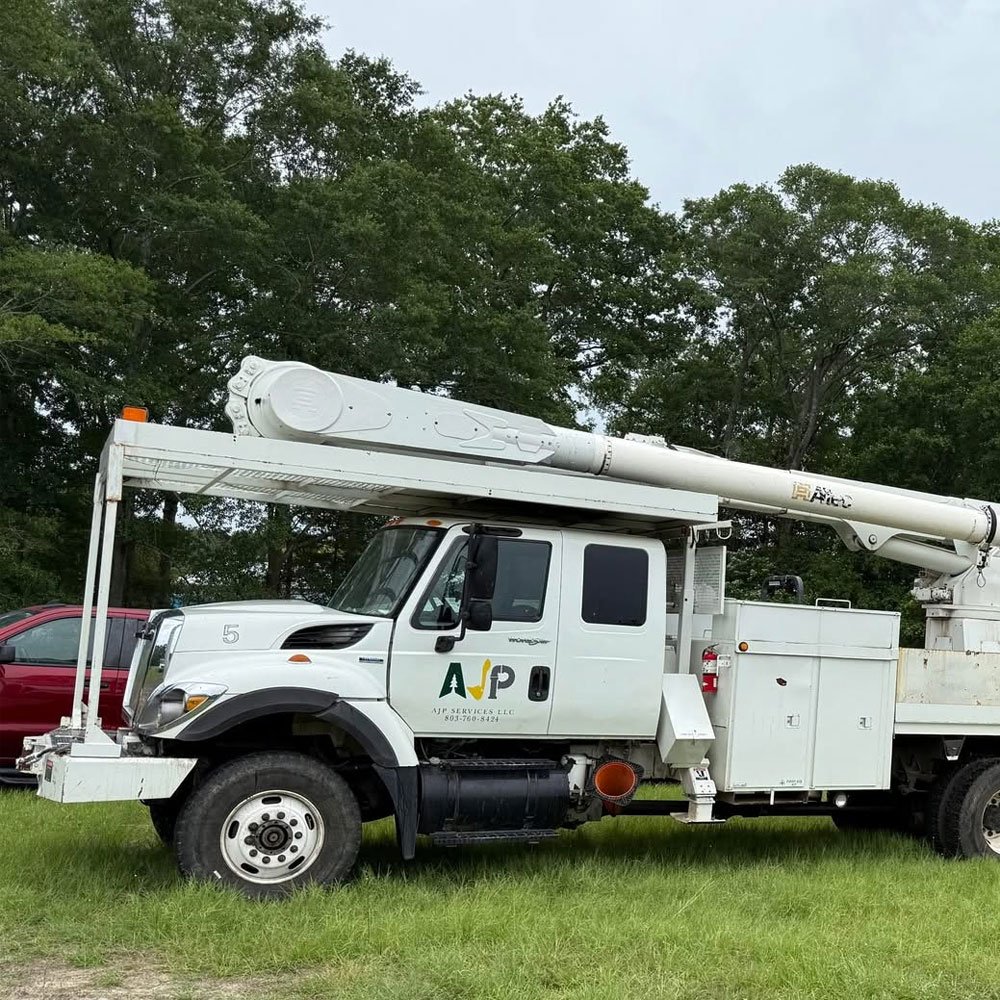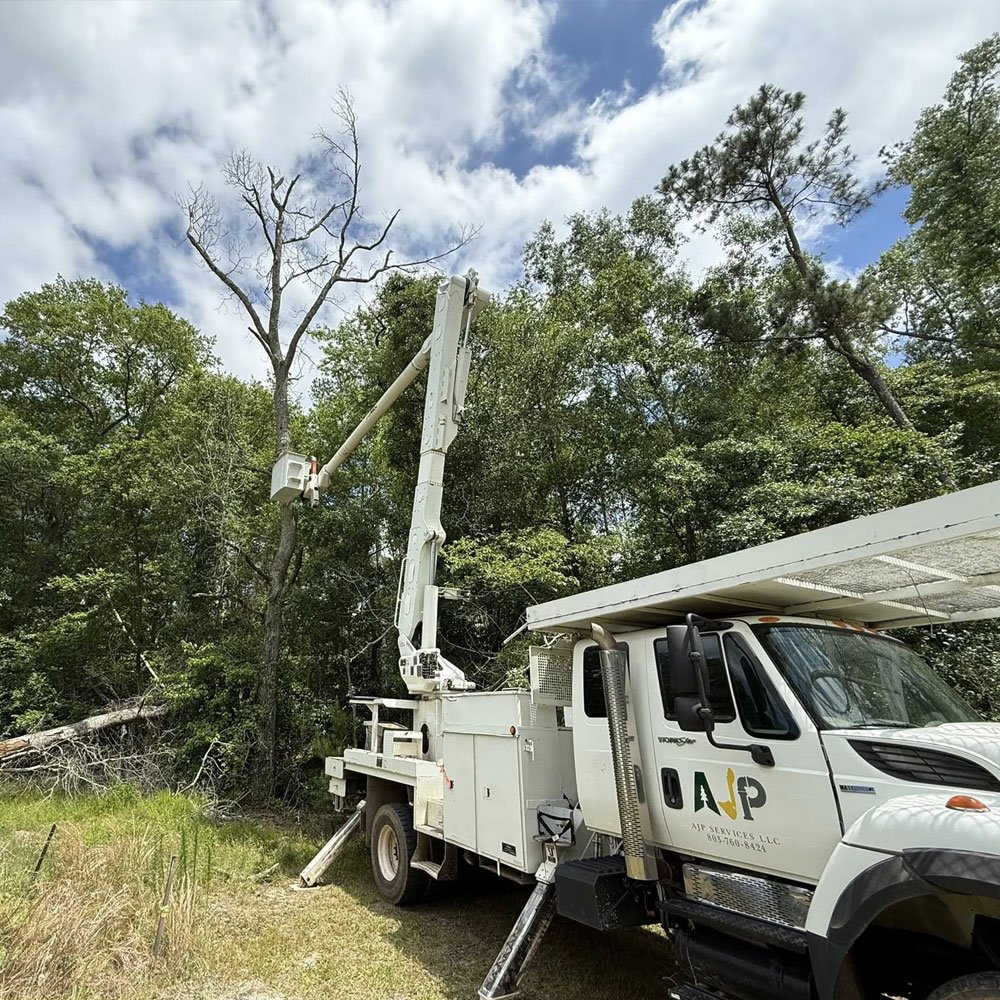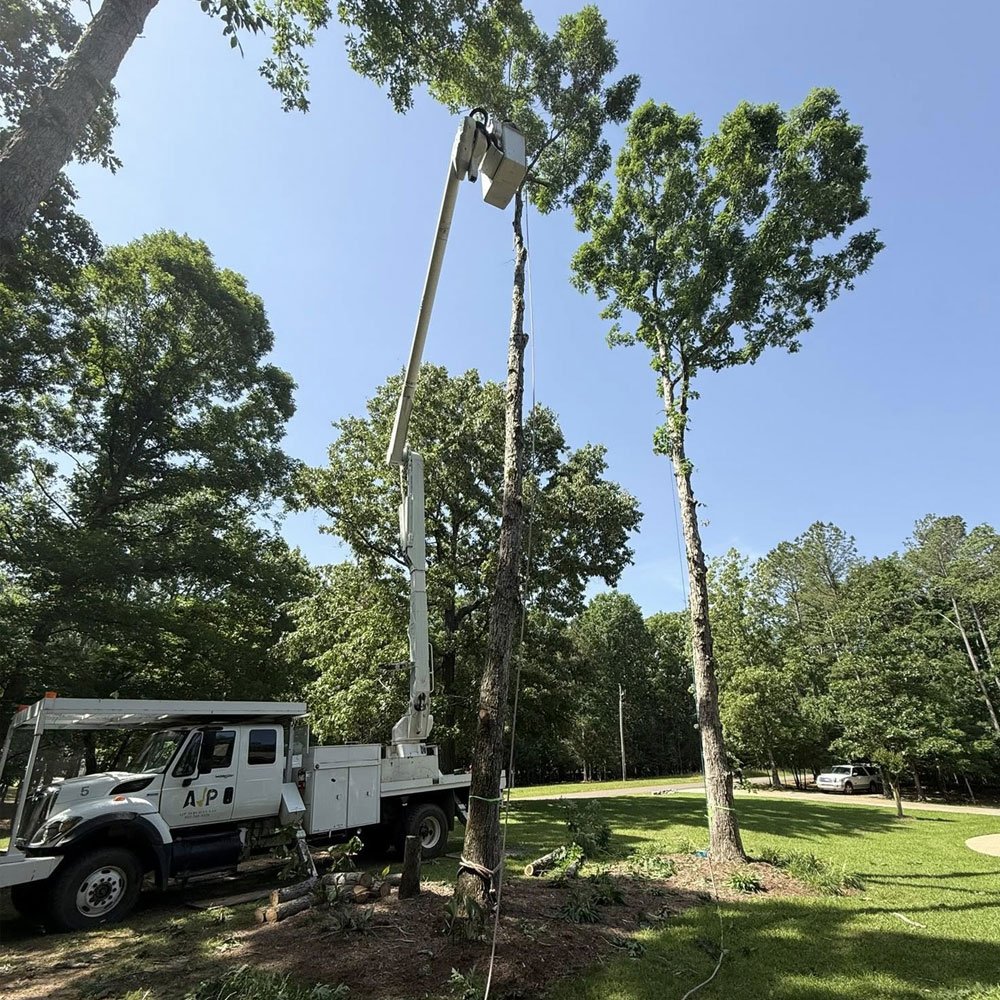
Tree pruning is an essential part of maintaining a healthy and attractive landscape. Proper pruning encourages strong growth, improves tree structure, removes hazardous limbs, and helps trees thrive for years. However, when pruning is done incorrectly, the results can be damaging—not only to the tree itself but also to nearby homes, vehicles, utility lines, and people.
Many homeowners assume tree pruning is simply cutting branches, but improper techniques can weaken trees, create safety hazards, and lead to expensive property damage over time. In areas like South Carolina, where storms, humidity, and rapid tree growth are common, poor pruning practices can become even more dangerous.
This guide explains how improper tree pruning harms tree health, increases property risks, and why professional pruning techniques matter for long-term safety and landscape health.
Why Tree Pruning Matters
Healthy pruning serves several important purposes:
- Removes dead or diseased branches
- Improves airflow and sunlight penetration
- Encourages balanced growth
- Reduces storm damage risk
- Prevents interference with structures and power lines
- Improves overall appearance
When done correctly, pruning strengthens trees. When done incorrectly, it creates long-term structural and health problems.
Common Improper Tree Pruning Practices
Many tree problems begin with poor pruning decisions.
The most common mistakes include:
- Over-pruning
- Tree topping
- Incorrect branch cuts
- Pruning at the wrong time of year
- Removing too much canopy
- Using dull or improper tools
- Ignoring tree species requirements
Each of these mistakes can weaken a tree’s ability to grow, defend itself, and remain structurally stable.
1. Over-Pruning Weakens Tree Health
One of the most common pruning mistakes is removing too many branches at once.
Trees rely on leaves to produce energy through photosynthesis. Excessive branch removal reduces the tree’s ability to generate food.
Effects of over-pruning:
- Reduced energy production
- Slower growth
- Increased stress
- Greater vulnerability to pests and disease
- Weak regrowth
Signs of over-pruning:
- Sparse canopy
- Excessive sun exposure on trunk
- Thin foliage
- Rapid weak shoots growing from cuts
As a general rule, no more than 20–25% of a tree’s canopy should be removed during a single pruning session.
2. Tree Topping Creates Dangerous Weak Growth
Tree topping is one of the most harmful pruning methods.
What is tree topping?
Tree topping involves cutting large branches or the main trunk back to random stubs to reduce height quickly.
Although some homeowners believe topping controls tree size, it actually creates major structural problems.
Problems caused by topping:
- Weakly attached regrowth
- Increased decay
- Large open wounds
- Sunscald damage
- Rapid unstable branch growth
- Shortened tree lifespan
Topped trees often produce multiple weak shoots that become highly vulnerable during storms.
3. Improper Cuts Invite Disease and Decay
Correct pruning cuts allow trees to heal naturally. Improper cuts leave wounds vulnerable to disease and rot.
Common cutting mistakes:
- Cutting too close to the trunk (“flush cuts”)
- Leaving long branch stubs
- Tearing bark during removal
- Crushing branches with dull tools
Risks of improper cuts:
- Fungal infections
- Internal decay
- Insect infestation
- Weak compartmentalization
Once decay spreads inside the tree, structural integrity becomes compromised.
4. Wrong Seasonal Pruning Increases Stress
Timing matters greatly when pruning trees.
Pruning during the wrong season can:
- Increase pest activity
- Encourage fungal growth
- Delay healing
- Stimulate weak growth before winter
Problematic timing examples:
- Heavy pruning during summer heat
- Fall pruning before dormancy
- Spring pruning during active growth for certain species
In South Carolina, late winter is generally the safest time for major pruning because trees are dormant.
5. Removing Large Limbs Incorrectly Causes Structural Damage
Large branch removal requires careful technique.
If heavy limbs are cut improperly:
- Bark can rip down the trunk
- Large wounds may form
- Structural splitting can occur
Professional arborists use specialized multi-step cutting methods to safely remove large limbs without tearing bark or damaging the tree.
6. Excessive Canopy Removal Increases Storm Vulnerability
Some homeowners believe aggressively thinning a tree makes it safer during storms. In reality, improper thinning can make trees more dangerous.
Excessive canopy removal can:
- Unbalance tree weight distribution
- Increase wind stress
- Weaken branch attachment
- Create uneven growth patterns
Weak regrowth and unstable branches become highly vulnerable during hurricanes, thunderstorms, and strong winds common in South Carolina.
7. Improper Pruning Attracts Pests and Insects
Open wounds from poor pruning practices attract insects and wood-boring pests.
Common pests attracted to damaged trees:
- Beetles
- Borers
- Carpenter ants
- Termites
Stressed trees also have weaker natural defenses, making infestations more likely.
In humid climates like South Carolina, damaged trees become especially vulnerable to insect activity and fungal problems.
8. Incorrect Pruning Can Kill Young Trees
Young trees are particularly sensitive to improper pruning.
Mistakes during early growth years can permanently affect:
- Tree shape
- Structural balance
- Root development
- Long-term stability
Common young tree mistakes:
- Removing central leaders
- Over-thinning
- Poor branch spacing
- Excessive shaping
Proper formative pruning helps young trees develop strong structure for decades of healthy growth.
How Improper Pruning Creates Property Risks
Tree damage does not stay isolated to the tree itself. Weak trees create serious hazards for nearby property and people.
1. Falling Branches Can Damage Homes and Vehicles
Weak or improperly pruned limbs are more likely to fail during:
- Storms
- Heavy rain
- High winds
- Ice accumulation
Falling branches can damage:
- Roofs
- Windows
- Cars
- Fences
- Outdoor structures
Large limb failures can also create major insurance claims and repair expenses.
2. Poorly Pruned Trees Increase Liability Risks
Property owners may be held responsible if neglected or improperly maintained trees cause injury or damage.
Potential liability situations:
- Falling branches injuring pedestrians
- Tree failures damaging neighboring property
- Limbs interfering with roadways or utility lines
Routine professional inspections and proper pruning reduce liability exposure.
3. Trees Near Power Lines Become Dangerous
Improper trimming near power lines is extremely hazardous.
Risks include:
- Electrocution
- Power outages
- Fire hazards
- Severe injury
Trees growing near electrical infrastructure should always be handled by trained professionals with proper safety equipment.
4. Structural Weakness Can Lead to Entire Tree Failure
Repeated poor pruning practices gradually weaken tree stability.
Structural warning signs:
- Cracks in trunks or limbs
- Hollow sections
- Leaning trees
- Splitting branches
- Heavy unbalanced canopies
Eventually, entire trees may fail during storms or even under normal conditions.
Signs a Tree Was Improperly Pruned
Homeowners should watch for these warning signs:
- Flat-topped or heavily cut canopy
- Numerous thin shoots growing rapidly
- Large unsealed wounds
- Dead branch tips
- Sparse leaf growth
- Excessive trunk exposure
- Mushrooms or decay near cuts
These symptoms often indicate long-term stress or structural damage.
Benefits of Proper Professional Tree Pruning
Professional pruning supports both tree health and property safety.
Benefits include:
- Stronger branch structure
- Better airflow
- Improved storm resistance
- Healthier growth patterns
- Reduced disease risk
- Enhanced appearance
- Safer property conditions
Certified arborists understand tree biology, species-specific needs, and safe pruning techniques.
Why DIY Tree Pruning Can Be Risky
While minor trimming may seem simple, larger pruning projects can quickly become dangerous.
DIY risks include:
- Falls from ladders
- Chainsaw injuries
- Improper cuts
- Property damage
- Electrocution near power lines
Improper DIY pruning often causes more damage than homeowners realize initially.
Best Practices for Safe Tree Pruning
To protect tree health and reduce property risks:
- Prune during proper seasonal windows
- Use sharp, sanitized tools
- Avoid topping trees
- Remove dead or damaged branches carefully
- Never remove excessive canopy at once
- Hire professionals for large trees
Preventive care is always safer and more affordable than dealing with storm damage or tree removal later.
The Importance of Regular Tree Inspections
Regular inspections help identify problems before they become dangerous.
Professional evaluations can detect:
- Weak branch unions
- Disease
- Decay
- Structural instability
- Pest infestations
Early intervention often prevents major property damage and extends tree lifespan.
Final Thoughts
Improper tree pruning can create serious long-term consequences for both tree health and property safety. Over-pruning, topping, poor cuts, and incorrect timing weaken trees, increase disease risk, and create dangerous structural instability.
In South Carolina, where storms and rapid growth are common, proper pruning becomes even more important for preventing property damage and maintaining healthy landscapes.
Trees are valuable investments that provide beauty, shade, curb appeal, and environmental benefits. Protecting those investments requires proper care, safe pruning practices, and professional attention when needed.
By avoiding harmful pruning techniques and prioritizing regular maintenance, homeowners can keep their trees healthy, strong, and safe for years to come.