Trees are one of the most valuable parts of any landscape, offering shade, beauty, and environmental benefits. However, under certain conditions, they can quickly turn from assets into serious hazards. Storms, disease, root damage, and structural instability can make a tree unpredictable and dangerous, sometimes requiring immediate action.
This is where emergency tree removal services become essential. Unlike routine maintenance, emergency response focuses on urgent situations where waiting could lead to property damage, injury, or blocked access. Knowing when to call professionals can make all the difference in protecting your home and safety.
In this guide, we’ll break down the key warning signs, common scenarios, and reasons why fast action is critical when dealing with hazardous trees.
What Is Emergency Tree Removal?
Emergency tree removal refers to urgent professional services that handle trees posing an immediate threat to people, buildings, vehicles, or utility lines.
These situations often involve:
- Storm-damaged trees
- Fallen trees blocking driveways or roads
- Leaning trees at risk of collapse
- Trees hitting power lines or roofs
- Severe root instability
Unlike scheduled maintenance, emergency response prioritizes speed, safety, and damage control.
1. After Severe Storms or High Winds
One of the most common reasons for emergency tree services is storm damage.
Heavy rain, lightning, hurricanes, and strong winds can:
- Break large branches
- Uproot trees
- Weaken trunk structure
- Cause trees to lean dangerously
Even if a tree is still standing after a storm, it may be structurally compromised and unsafe.
Warning signs after a storm include:
- Cracked or split trunk
- Hanging branches
- Exposed roots
- Sudden leaning angle
2. When a Tree Has Fallen on Property
A fallen tree is always an emergency situation, especially if it lands on:
- Homes or roofs
- Vehicles
- Fences or sheds
- Roads or driveways
Besides physical damage, fallen trees can block access and create safety hazards.
In many cases, professional removal is required immediately to restore safety and prevent further structural damage.
3. Dangerous Leaning Trees
A tree that suddenly begins to lean is a major red flag.
This may be caused by:
- Root failure
- Soil erosion
- Wind pressure
- Decay inside the trunk
A leaning tree is unstable and may fall without warning, especially during storms or heavy rainfall.
Signs of danger include:
- New or increased leaning angle
- Soil lifting around roots
- Cracking sounds during wind
- Visible root damage
4. Trees with Dead or Hanging Branches
Dead branches, also known as “widow makers,” are extremely dangerous.
They can fall at any time due to:
- Wind
- Gravity
- Internal decay
If large branches are hanging over homes, sidewalks, or driveways, immediate removal is necessary to prevent injury or damage.
5. Trees Damaging Roofs or Structures
When a tree or large limb comes into contact with a structure, it becomes an emergency.
Common impacts include:
- Roof punctures
- Gutter damage
- Broken windows
- Fence collapse
Even minor contact can worsen over time if the tree continues to shift or grow under pressure.
6. Trees Interfering with Power Lines
Trees near or touching power lines are extremely hazardous.
Risks include:
- Electrical fires
- Power outages
- Electrocution hazards
Never attempt to handle this situation yourself. Always contact emergency professionals and utility providers immediately.
7. Rapid Tree Disease or Decay
Some trees deteriorate quickly due to disease, fungus, or internal rot.
Warning signs include:
- Mushrooms growing at the base
- Hollow trunk sounds
- Bark peeling excessively
- Sudden leaf loss outside seasonal changes
A decaying tree can collapse unexpectedly, making urgent removal necessary.
8. Blocked Access Routes or Driveways
Trees or large branches blocking access points create immediate safety and logistical issues.
This includes:
- Driveways
- Roads
- Emergency exits
- Walkways
Quick removal restores safe movement and prevents delays in emergencies.
9. Cracked or Splitting Trunks
A visible crack in the trunk is a serious structural warning.
This may indicate:
- Internal decay
- Wind stress
- Weight imbalance
A cracked trunk significantly increases the risk of sudden collapse.
10. Soil Uplift and Root Exposure
Healthy trees have stable root systems anchored in the soil. When roots become exposed or lifted, stability is compromised.
This can happen due to:
- Flooding
- Strong winds
- Construction damage
- Erosion
Once roots lose grip, the tree can fall without warning.
Why Emergency Tree Removal Should Not Be Delayed
Delaying action in hazardous situations can lead to:
- Severe property damage
- Personal injury
- Power outages
- Higher repair costs
- Legal liability issues
Fast intervention minimizes risk and helps restore safety quickly.
What to Do Before Professionals Arrive
If you are dealing with a tree emergency, follow these steps:
Stay Away from the Tree
Avoid standing under or near unstable branches.
Secure the Area
Keep children, pets, and vehicles away from danger zones.
Avoid DIY Removal
Do not attempt to cut or move large branches yourself.
Document the Damage
Take photos for insurance purposes if it is safe to do so.
How Professionals Handle Emergency Tree Removal
Expert teams follow a structured approach:
1. Assessment
They evaluate the level of risk and structural stability.
2. Safety Setup
Barriers and protective equipment are installed.
3. Controlled Cutting
Sections of the tree are removed carefully to prevent sudden collapse.
4. Equipment Use
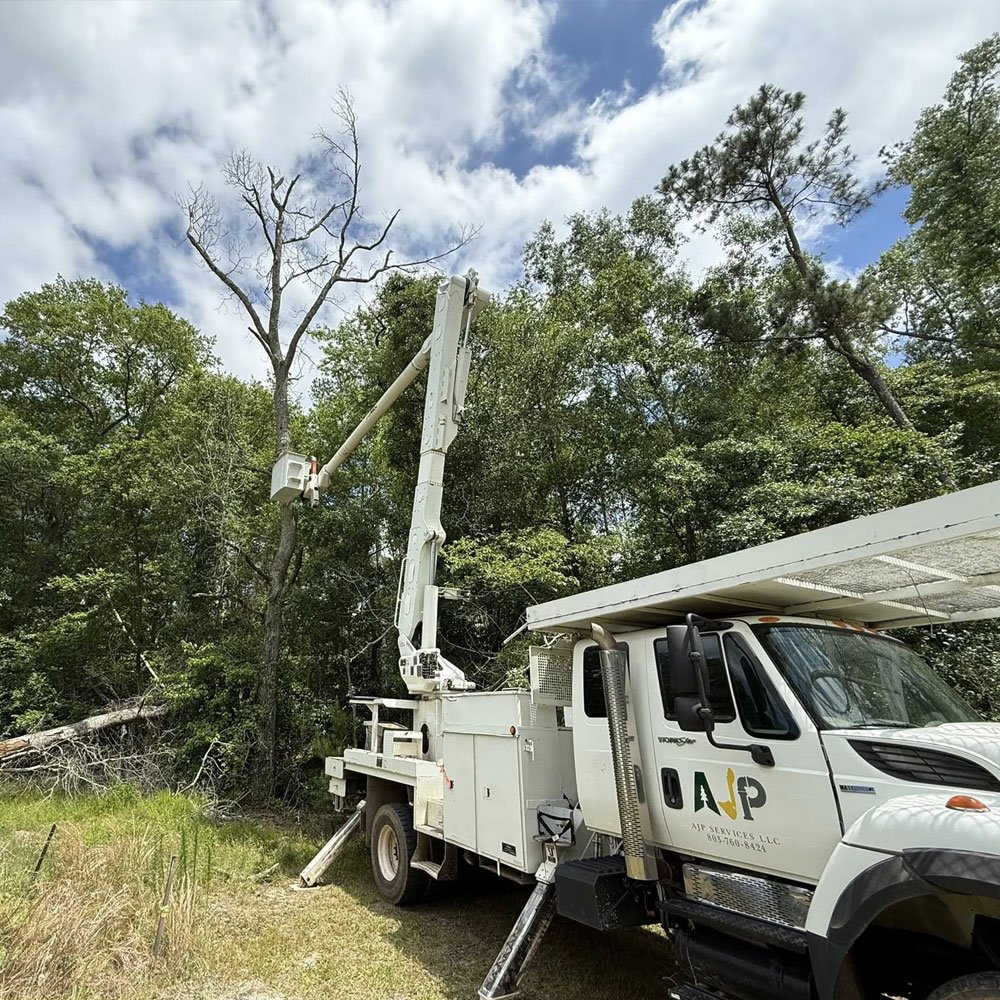
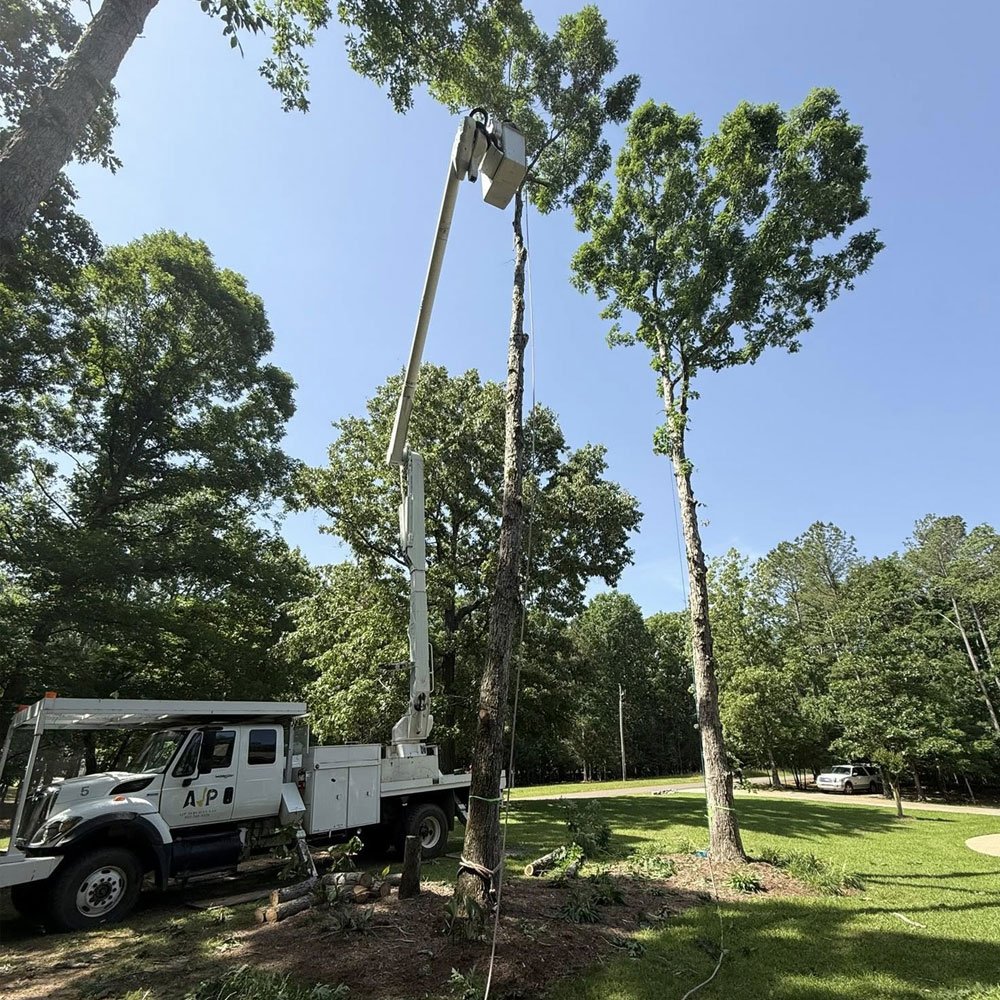
Cranes, ropes, and chainsaws are used for precision handling.
5. Cleanup
Debris is removed to restore safety and accessibility.
Preventing Future Tree Emergencies
While not all emergencies can be avoided, regular maintenance reduces risks:
- Routine tree inspections
- Pruning weak branches
- Monitoring root health
- Removing diseased trees early
- Storm preparation trimming
Preventive care significantly improves long-term safety.
Residential vs Commercial Tree Emergencies
Emergency tree removal is important for both homeowners and businesses.
Residential Risks:
- Roof damage
- Yard hazards
- Driveway blockage
Commercial Risks:
- Customer safety hazards
- Property access disruption
- Liability concerns
Quick response is critical in both cases.
Conclusion
Emergency tree removal services are essential when trees become unstable, damaged, or pose immediate risks to people and property. Recognizing warning signs such as leaning trunks, storm damage, fallen trees, or root failure can help you act quickly and avoid costly consequences. Fast professional intervention ensures safety, prevents further damage, and restores normal conditions efficiently. Whether caused by storms or decay, hazardous trees should never be ignored. For reliable and prompt service when urgent situations arise, professional tree care support from AJP Services ensures your property remains safe and protected.
Frequently Asked Questions
1. What is considered a tree emergency?
A tree emergency includes fallen trees, storm damage, leaning trees, or any situation posing immediate danger to people or property.
2. How quickly should emergency tree removal be done?
It should be handled immediately, especially if the tree threatens structures, roads, or power lines.
3. Can I remove a fallen tree myself?
No. Large trees are dangerous and require professional equipment and expertise.
4. What causes trees to fall suddenly?
Common causes include storms, root failure, disease, and soil erosion.
5. Does insurance cover emergency tree removal?
In many cases, insurance may cover damage-related removal depending on the policy.