Trees add beauty, shade, and value to any property. However, when a tree becomes weak, diseased, or structurally unstable, it can quickly turn from an asset into a serious liability. Many homeowners delay taking action, assuming the tree will hold up or that removal can wait. Unfortunately, this delay often results in significant financial loss, unexpected repairs, and even safety risks.
Understanding the importance of early tree removal can help you avoid thousands in property damage while keeping your home and surroundings secure.
The Hidden Risks of Dangerous Trees
A tree may look stable from a distance, but underlying issues such as decay, root damage, or pest infestation can weaken its structure. Over time, these problems worsen, increasing the likelihood of sudden failure.
Common warning signs include:
- Cracks in the trunk or major branches
- Leaning trees with exposed roots
- Dead or hanging limbs
- Fungal growth around the base
- Hollow or decaying wood
Ignoring these signs can result in falling branches or complete tree collapse, especially during storms or high winds.
How Property Damage Occurs
When a compromised tree falls, the damage can be severe and immediate. Roofs, vehicles, fences, and power lines are often the first to be affected. In many cases, the cost of repairs far exceeds the expense of proactive removal.
Typical damages include:
- Roof punctures and structural weakening
- Broken windows and siding
- Crushed vehicles or outdoor structures
- Damage to plumbing or underground utilities
- Electrical hazards from fallen power lines
Even a single large branch can cause thousands of dollars in repairs.
Financial Impact of Delayed Action
One of the biggest misconceptions homeowners have is that removing a tree is expensive. While there is a cost involved, it is minimal compared to the financial consequences of waiting too long.
Consider the potential expenses:
- Emergency tree removal services
- Home repair and reconstruction
- Insurance deductibles
- Temporary relocation costs
- Liability claims if neighbors’ property is affected
In many cases, insurance may not fully cover preventable damage, especially if the tree was already known to be hazardous.
Safety Comes First
Beyond financial concerns, safety should always be the top priority. Weak trees pose a serious risk to people, pets, and nearby structures. Falling branches can cause injuries, and unstable trees can collapse without warning.
Children playing outdoors, parked vehicles, and even pedestrians are at risk when a tree is compromised. Early intervention eliminates these dangers and provides peace of mind.
Storms Make Everything Worse
Extreme weather conditions significantly increase the risk posed by unstable trees. Heavy rain softens the soil, reducing root support, while strong winds put pressure on weakened trunks and branches.
During storms, hazardous trees are among the first to fall. This is why preventative maintenance is crucial, especially before storm seasons. Removing a risky tree in advance is far safer and more cost-effective than dealing with emergency situations.
Boosting Property Value and Appeal
A well-maintained landscape enhances property value, but damaged or dying trees can have the opposite effect. Potential buyers often see hazardous trees as an added expense or safety concern.
Removing dangerous trees:
- Improves curb appeal
- Creates a cleaner, safer outdoor space
- Increases buyer confidence
- Prevents inspection issues during property sales
Investing in tree care is not just about safety—it’s also a smart financial decision for long-term property value.
Environmental Responsibility
While trees are essential for the environment, removing a dangerous one can actually benefit the surrounding ecosystem. Diseased trees can spread infections to nearby healthy trees, while dead wood attracts pests.
Responsible removal allows:
- Healthier trees to thrive
- Better sunlight distribution
- Improved soil conditions
- Space for new, strong growth
Planting a new tree in place of a removed one ensures environmental balance while maintaining safety.
When Should You Remove a Tree?
Timing plays a critical role in preventing damage. The best time to act is as soon as signs of weakness appear. Waiting for the situation to worsen only increases risks and costs.
You should consider removal if:
- The tree is leaning dangerously
- Large branches are dead or falling
- The trunk shows visible decay
- Roots are damaged or lifting
- The tree is too close to structures
Consulting a professional can help assess the condition accurately and determine the best course of action.
Professional Tree Removal Matters
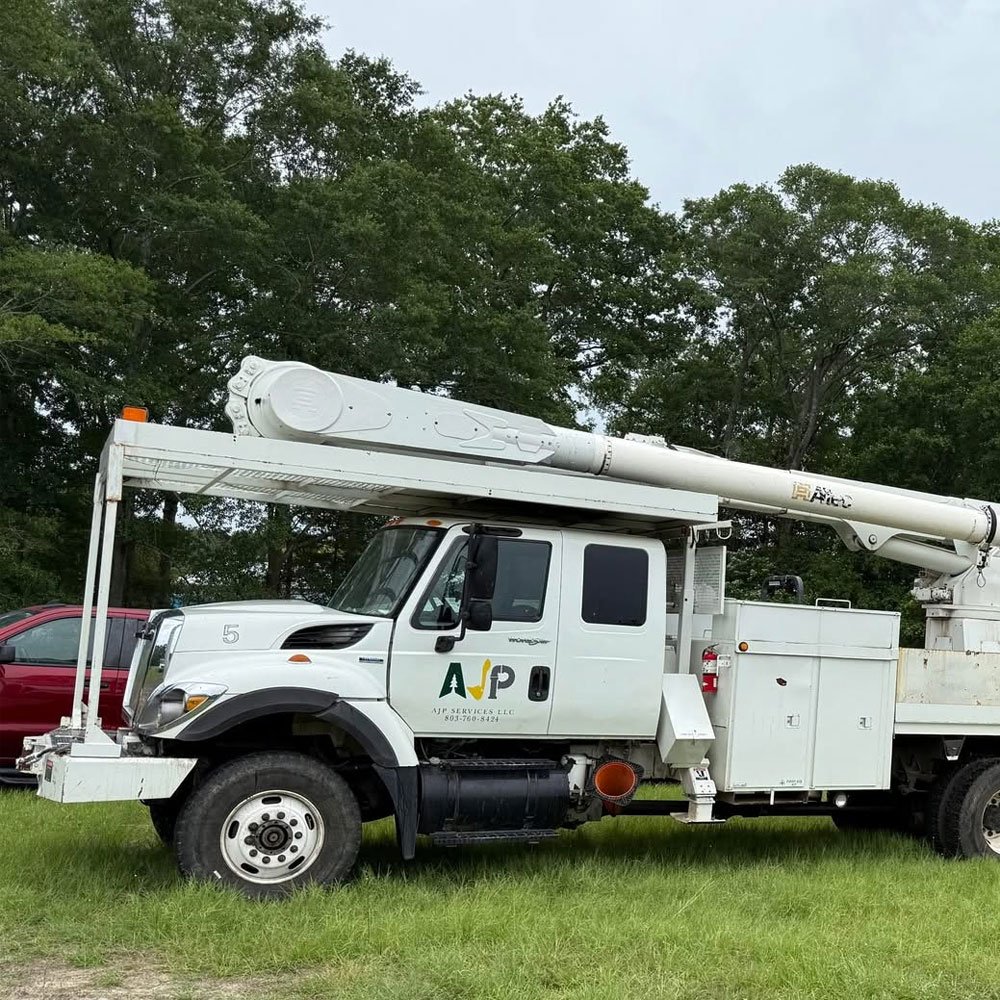
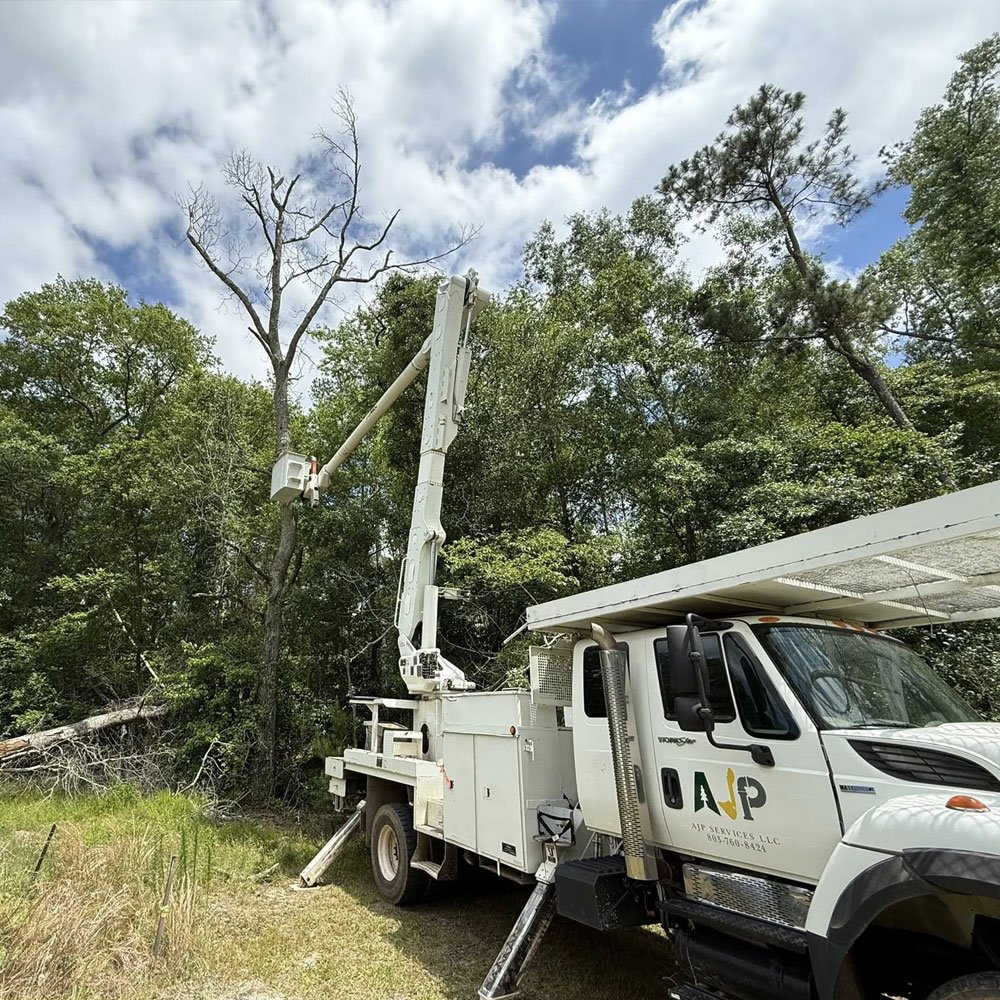
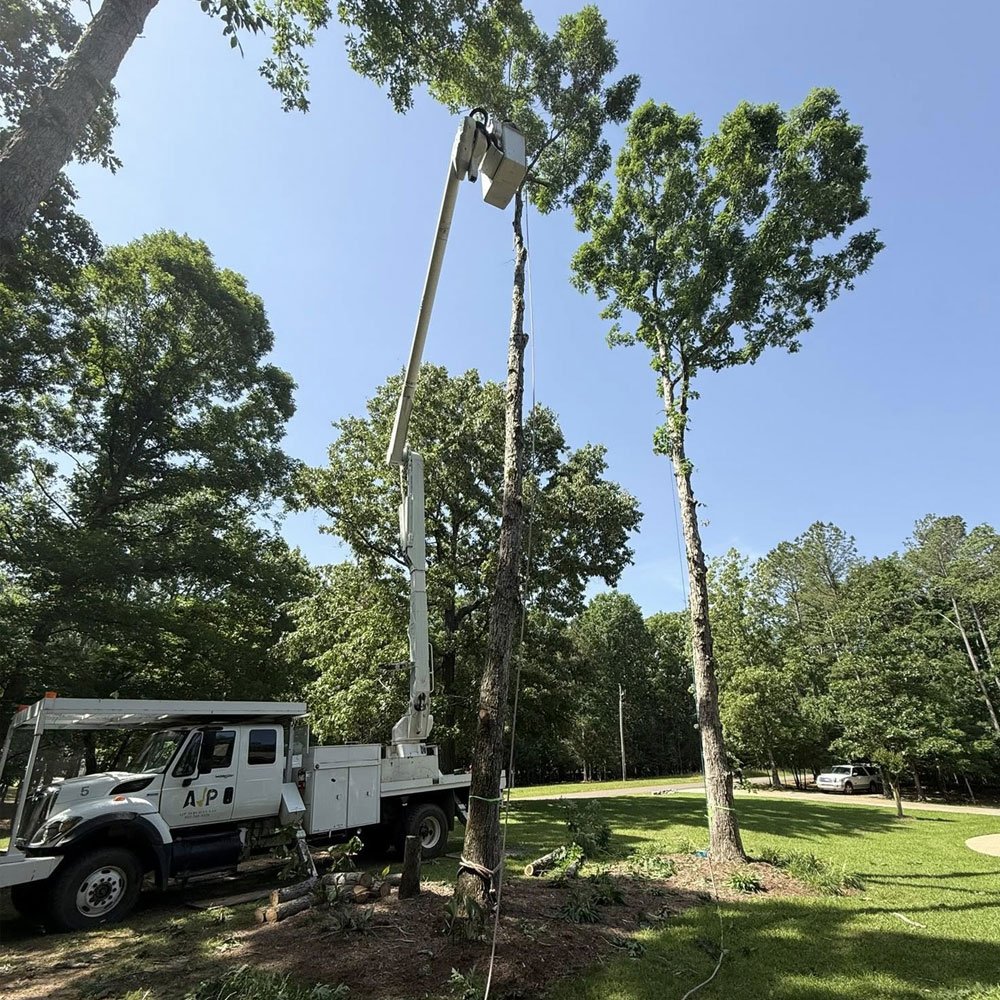
Attempting to handle tree removal without proper equipment or expertise can be dangerous. Professionals use specialized tools and techniques to safely remove trees without causing additional damage.
Benefits of hiring experts include:
- Safe and controlled removal
- Proper disposal of debris
- Protection of nearby structures
- Compliance with local regulations
Professional services ensure the job is done efficiently and safely, minimizing risks.
Long-Term Savings Through Prevention
Preventative action is always more cost-effective than reactive solutions. By identifying and removing hazardous trees early, homeowners can avoid emergency expenses and unexpected repairs.
Think of it as an investment in safety and financial stability. A small upfront cost can save thousands in the future while protecting your property and loved ones.
Conclusion
Removing dangerous trees early is one of the smartest decisions a homeowner can make. It prevents costly property damage, ensures safety, and maintains the value of your home. Instead of waiting for a disaster to occur, taking proactive steps can save time, money, and stress in the long run. For reliable and professional assistance, trust AJP Services to handle tree removal safely and efficiently.
FAQs
1. How do I know if a tree is dangerous?
Look for signs like cracks, leaning, dead branches, or fungal growth. A professional inspection can confirm the risk level.
2. Is tree removal expensive?
The cost varies, but it is significantly lower than repairing damage caused by a fallen tree.
3. Will insurance cover tree damage?
Insurance may cover sudden damage, but not always if the tree was already known to be hazardous.
4. When is the best time to remove a tree?
The best time is as soon as signs of damage or instability appear, preferably before storm seasons.
5. Can I remove a tree myself?
Tree removal can be dangerous without proper tools and experience. Hiring professionals is always recommended.