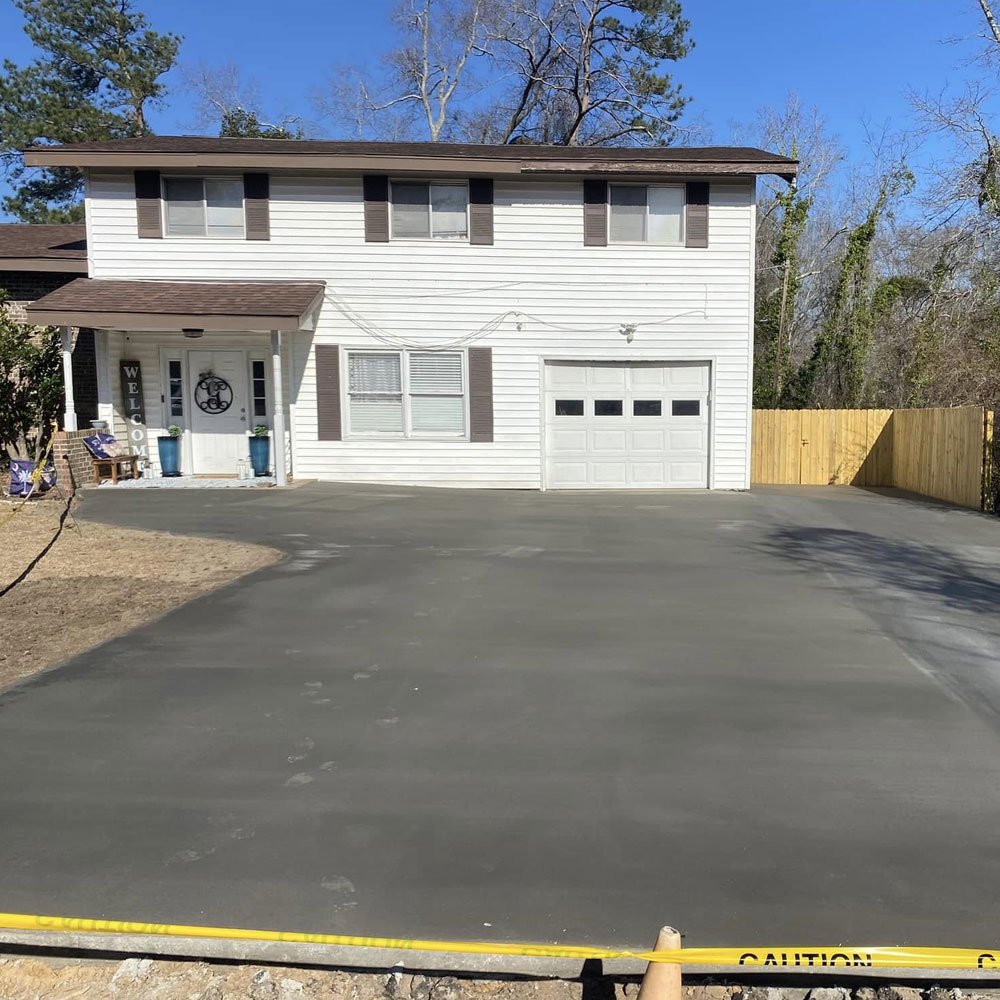
Water may seem harmless, but when it isn’t properly managed, it becomes one of the leading causes of property damage. Poor drainage can lead to flooded yards, cracked foundations, soil erosion, standing water, damaged landscaping, and even structural issues that require expensive repairs. Whether you’re building a new home, upgrading an existing property, or solving ongoing drainage concerns, proper excavation plays a critical role in protecting your investment.
Drainage excavation is much more than digging trenches. It involves careful planning, grading, and installing systems that direct excess water away from buildings and outdoor spaces. A professionally designed drainage system helps maintain soil stability, keeps foundations dry, and extends the lifespan of your property.
If you live in Leesville, SC, where heavy rainfall and changing weather conditions are common, investing in effective drainage solutions can save thousands of dollars in future repairs while improving the usability and appearance of your land.
Understanding Drainage Excavation
Drainage excavation is the process of reshaping land and installing underground or surface drainage systems that safely redirect rainwater and groundwater away from structures.
Depending on the property’s needs, the work may include:
- Excavating trenches
- Installing drain pipes
- Building French drains
- Creating swales
- Installing culverts
- Constructing catch basins
- Regrading the landscape
- Preparing stormwater drainage channels
The goal is to move water efficiently while preventing it from accumulating where it can damage buildings or outdoor spaces.
Why Every Property Needs Proper Drainage
Water naturally follows the path of least resistance. Without a properly engineered drainage system, rainwater often collects around structures instead of flowing safely away.
Effective drainage helps protect:
- Home foundations
- Crawl spaces
- Basements
- Driveways
- Sidewalks
- Patios
- Retaining walls
- Gardens
- Lawns
- Commercial buildings
Managing water correctly reduces long-term maintenance costs while preserving the integrity of your property.
Warning Signs That Indicate Drainage Problems
Many homeowners ignore early signs until significant damage occurs.
Watch for these common indicators:
Standing Water
Water remaining in your yard more than 24 hours after rainfall usually indicates poor drainage.
Foundation Cracks
Excess moisture surrounding the foundation can cause soil movement that eventually leads to cracks and settlement.
Soggy Lawns
If portions of your yard remain wet for long periods, underground drainage may not be functioning correctly.
Eroded Landscaping
Fast-moving runoff can wash away:
- Topsoil
- Mulch
- Plants
- Decorative stone
- Grass seed
Basement Moisture
Water intrusion often begins outside before appearing inside the home.
Damp walls, mold, and musty odors frequently point to exterior drainage issues.
Common Causes of Drainage Issues
Several conditions contribute to poor water management.
Improper Land Slope
Land that slopes toward a home encourages water to collect near the foundation.
Professional grading redirects water safely away from structures.
Compacted Soil
Highly compacted soil absorbs less water, increasing surface runoff.
Excavation improves drainage by creating proper flow paths.
Heavy Clay Soil
Clay retains moisture longer than sandy soil, making drainage improvements especially important.
Blocked Drainage Systems
Leaves, roots, sediment, and debris often clog underground drainage systems, reducing water flow.
Routine maintenance helps prevent these issues.
Popular Drainage Excavation Solutions
Every property requires a customized approach depending on soil conditions and elevation.
French Drains
French drains use perforated pipe surrounded by gravel to collect groundwater and redirect it away from structures.
These systems are ideal for:
- Wet yards
- Foundation protection
- Sloped landscapes
- Retaining walls
Surface Drains
Surface drainage systems quickly collect rainwater from paved areas before flooding occurs.
Common installation areas include:
- Driveways
- Patios
- Walkways
- Parking lots
Catch Basins
Catch basins capture stormwater while preventing debris from entering underground drainage pipes.
They improve drainage efficiency during heavy rainfall.
Swales
Swales are shallow channels designed to guide water naturally across the property without causing erosion.
Culvert Installation
Culverts allow water to pass beneath driveways, roads, and entrances while maintaining uninterrupted drainage flow.
The Drainage Excavation Process
Professional excavation follows a structured process to ensure long-lasting performance.
Property Assessment
Every project begins with evaluating:
- Existing drainage patterns
- Soil composition
- Elevation changes
- Property boundaries
- Utility locations
- Water accumulation areas
This information forms the basis of the drainage design.
Drainage Planning
Contractors determine:
- Pipe locations
- Drainage direction
- Excavation depth
- Water discharge points
- Required materials
Proper planning ensures efficient water management.
Excavation Work
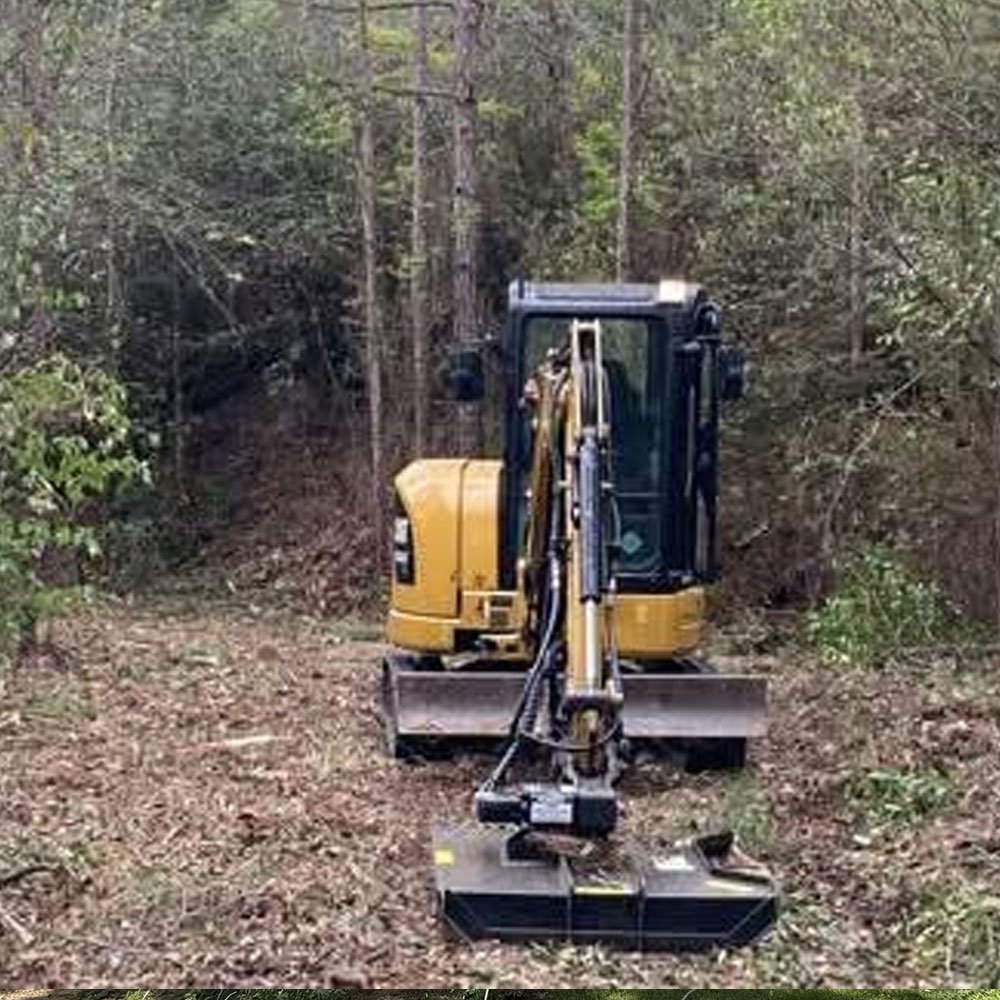
Using specialized equipment, crews excavate trenches and reshape the property according to the approved drainage plan.
Safety and precision remain priorities throughout the project.
System Installation
Drainage components may include:
- Corrugated pipe
- PVC drainage pipe
- Gravel
- Drain boxes
- Fabric liners
- Catch basins
Each component is installed to maximize water flow and minimize maintenance.
Site Restoration
After installation, excavated areas are backfilled, compacted, and graded to restore the property’s appearance while maintaining effective drainage.
Benefits of Professional Drainage Excavation
Professional installation offers advantages that extend far beyond removing standing water.
Foundation Protection
Proper drainage keeps water away from the foundation, reducing the risk of:
- Settlement
- Cracking
- Moisture intrusion
- Structural movement
Reduced Flood Risk
Well-designed drainage systems quickly move stormwater away from vulnerable areas.
Better Landscape Health
Healthy drainage prevents oversaturated soil while supporting stronger plant growth.
Improved Property Value
Buyers appreciate properties with documented drainage improvements because they reduce future maintenance concerns.
Lower Maintenance Costs
Effective water management reduces repair expenses associated with erosion, flooding, and structural damage.
Residential Applications
Drainage excavation benefits homeowners dealing with:
- Backyard flooding
- Pooling around patios
- Wet crawl spaces
- Waterlogged gardens
- Driveway runoff
- Landscape erosion
Proper installation creates a safer, more enjoyable outdoor environment.
Commercial Applications
Businesses also rely on drainage systems to protect their investments.
Commercial applications include:
- Office buildings
- Retail centers
- Warehouses
- Industrial facilities
- Apartment communities
- Parking lots
Reliable drainage minimizes operational disruptions and protects infrastructure.
How Drainage Excavation Supports New Construction
Proper site preparation is essential before any building project begins.
Drainage excavation helps:
- Stabilize building pads
- Control stormwater
- Improve grading
- Reduce erosion
- Protect foundations
- Meet local construction requirements
Starting with proper drainage prevents costly corrections after construction is complete.
Tips for Maintaining a Drainage System
Routine maintenance helps maximize long-term performance.
Follow these recommendations:
- Remove leaves from drain openings.
- Inspect catch basins after storms.
- Clean gutters regularly.
- Repair erosion immediately.
- Keep drainage channels free of debris.
- Trim vegetation near drainage structures.
- Schedule periodic professional inspections.
Preventive maintenance helps identify minor issues before they become major problems.
Choosing the Right Drainage Contractor
The success of any drainage project depends on the contractor’s experience and knowledge.
Choose a company that offers:
- Licensed and insured professionals
- Modern excavation equipment
- Experience with residential and commercial projects
- Knowledge of local soil conditions
- Transparent pricing
- Reliable project scheduling
- Positive customer reviews
Working with qualified professionals ensures the drainage system is designed to perform efficiently for years.
Conclusion
Drainage excavation is one of the smartest investments property owners can make to prevent flooding, erosion, and costly structural damage. A professionally installed drainage system improves water management, protects foundations, preserves landscaping, and increases the long-term value of residential and commercial properties. Whether you’re preparing a construction site or solving persistent drainage issues, expert excavation provides a durable solution that protects your investment in every season. For dependable drainage and excavation services, trust AJP Services.
Frequently Asked Questions
1. What is drainage excavation?
Drainage excavation involves reshaping land and installing drainage systems that safely direct excess water away from buildings, landscapes, and foundations to prevent water-related damage.
2. How can I tell if my property needs drainage improvements?
Common signs include standing water, soggy lawns, foundation cracks, basement moisture, soil erosion, and water pooling around your home after heavy rain.
3. What drainage systems are commonly installed?
Popular options include French drains, surface drains, catch basins, swales, culverts, and underground drainage pipes. The right solution depends on your property’s layout and drainage needs.
4. Can drainage excavation increase property value?
Yes. Proper drainage helps protect structures, improves landscaping, reduces future repair costs, and makes the property more attractive to potential buyers.
5. How long does a drainage excavation project take?
Most residential projects are completed within a few days, while larger or more complex commercial installations may take longer depending on the property’s size, weather conditions, and system design.