Trees add beauty, shade, privacy, and value to residential properties throughout South Carolina. Healthy trees can enhance curb appeal, reduce energy costs, improve air quality, and create a welcoming outdoor environment. However, when trees become dead, diseased, or structurally compromised, they can quickly transform from valuable landscape assets into serious safety hazards.
Many homeowners overlook the early warning signs of tree decline, assuming that a tree with a few dead branches or sparse foliage is simply experiencing seasonal changes. Unfortunately, dead and diseased trees often pose significant risks to people, homes, vehicles, utility lines, and surrounding vegetation. In some cases, the dangers remain hidden until a storm, strong wind, or heavy rainfall causes sudden tree failure.
Understanding the risks associated with unhealthy trees can help homeowners take proactive steps to protect their property and avoid costly damage. In this guide, we’ll explore the hidden dangers of dead and diseased trees, common warning signs, and why professional evaluation is critical.
Why Dead and Diseased Trees Are More Dangerous Than They Appear
Unlike healthy trees that can withstand environmental stress, dead and diseased trees gradually lose their structural integrity.
As decay spreads through the trunk, branches, or root system, the tree becomes increasingly unstable. The problem is that much of this deterioration often occurs internally, making it difficult for homeowners to assess the true extent of the damage.
A tree may appear relatively normal on the outside while suffering severe internal decay that weakens its ability to support its own weight.
This hidden deterioration makes dead and diseased trees particularly dangerous because failure can occur with little warning.
Common Causes of Tree Decline in South Carolina
Several factors contribute to tree death and disease throughout South Carolina.
Severe Storm Damage
South Carolina regularly experiences:
- Thunderstorms
- Tropical storms
- Hurricanes
- High winds
These weather events can damage trunks, branches, and root systems, leaving trees vulnerable to disease and decay.
Insect Infestations
Wood-boring insects and other pests can attack weakened trees and accelerate deterioration.
Common pests often target:
- Stressed trees
- Aging trees
- Previously damaged trees
Over time, infestations can compromise structural stability.
Fungal Diseases
Many tree diseases are caused by fungi that invade the tree through wounds, damaged bark, or root systems.
Fungal infections often lead to:
- Internal decay
- Root rot
- Branch dieback
- Trunk weakness
Root Damage
Construction projects, soil compaction, excavation, and erosion can damage roots.
Since roots provide stability and absorb nutrients, root damage often contributes to long-term decline.
Aging and Natural Deterioration
Like all living organisms, trees age over time.
Older trees become more susceptible to:
- Disease
- Structural defects
- Decay
- Environmental stress
Routine inspections become increasingly important as trees mature.
Hidden Danger #1: Falling Branches
One of the most immediate dangers posed by dead or diseased trees is falling limbs.
Dead branches lose flexibility and become brittle.
During storms or windy conditions, these branches can break unexpectedly and fall onto:
- Homes
- Vehicles
- Fences
- Driveways
- Walkways
- Outdoor living areas
Even relatively small branches can cause injuries or property damage.
Large limbs, often called “widowmakers,” can be particularly dangerous because they may fall without warning.
Hidden Danger #2: Complete Tree Failure
As disease and decay spread throughout a tree, the entire structure becomes weaker.
Eventually, the tree may:
- Split
- Snap
- Uproot
- Collapse
Complete tree failure often occurs during severe weather but can also happen during calm conditions if internal damage is extensive.
A falling tree can cause:
- Roof damage
- Structural damage
- Vehicle destruction
- Utility interruptions
- Personal injuries
In severe cases, entire homes can be significantly damaged by large tree impacts.
Hidden Danger #3: Damage to Power Lines
Trees located near utility lines require special attention.
Dead branches and unstable trees may fall into power lines, causing:
- Power outages
- Electrical hazards
- Fire risks
- Property damage
Storm-related tree failures are one of the leading causes of power interruptions in many communities.
Maintaining healthy trees and removing hazardous specimens can help reduce these risks.
Hidden Danger #4: Liability Risks for Homeowners
Many homeowners are unaware that they may be held responsible for damages caused by neglected hazardous trees.
If a dead or visibly diseased tree falls and damages neighboring property, vehicles, or structures, liability issues may arise.
Potential consequences include:
- Insurance disputes
- Property damage claims
- Legal expenses
- Increased insurance premiums
Routine inspections and timely removal of hazardous trees can help reduce these risks.
Hidden Danger #5: Disease Spread to Other Trees
Tree diseases are not always isolated.
Certain diseases and pests can spread from one tree to nearby healthy trees.
This creates the potential for widespread damage across an entire property.
Removing infected trees early can help protect:
- Shade trees
- Ornamental trees
- Fruit trees
- Landscape investments
Preventing disease spread is often more cost-effective than replacing multiple damaged trees later.
Hidden Danger #6: Root System Failure
While homeowners often focus on visible branches and trunks, root systems play an equally important role in tree stability.
Diseased roots may no longer provide adequate support.
Signs of Root Problems
- Leaning trees
- Soil lifting around the base
- Mushrooms near roots
- Sparse canopy growth
- Sudden branch dieback
Root failure is particularly dangerous because it can cause an entire tree to topple unexpectedly.
Heavy rainfall and saturated soil often increase this risk.
Hidden Danger #7: Attraction of Pests
Dead and decaying trees frequently attract unwanted pests.
These may include:
- Termites
- Carpenter ants
- Beetles
- Rodents
Once established, some pests can spread to nearby structures, creating additional problems for homeowners.
Removing dead trees helps eliminate habitats that attract infestations.
Warning Signs of a Dead or Diseased Tree
Recognizing the early signs of decline can help prevent accidents and property damage.
Dead Branches
Large dead limbs are often among the first visible signs of trouble.
Missing Bark
Peeling, cracked, or missing bark may indicate disease or internal decay.
Fungal Growth
Mushrooms growing on the trunk, roots, or surrounding soil often suggest decay.
Hollow Areas
Visible cavities can weaken structural stability.
Leaning Trunk
A sudden lean may indicate root damage or instability.
Sparse Foliage
Thin canopies, premature leaf drop, or discolored leaves can signal disease.
Cracks and Splits
Deep cracks in the trunk or major branches may indicate structural failure.
Why Professional Tree Assessments Are Important
Many tree problems are difficult to diagnose without professional training.
Tree specialists evaluate:
- Structural integrity
- Disease severity
- Root health
- Decay progression
- Safety risks
Professional assessments help determine whether a tree can be treated or should be removed.
Attempting to evaluate severe tree problems without expertise may result in overlooked hazards.
The Benefits of Early Tree Removal
When a tree poses a significant safety risk, early removal often provides the best solution.
Benefits include:
Enhanced Safety
Removing hazardous trees protects people, structures, and vehicles.
Reduced Property Damage Risk
Proactive removal prevents storm-related tree failures.
Lower Long-Term Costs
Emergency tree removal and property repairs are often far more expensive than planned removal.
Healthier Landscape
Removing diseased trees helps protect surrounding vegetation.
Increased Peace of Mind
Homeowners can feel more confident during storms and severe weather events.
Preventing Tree Problems Before They Become Dangerous
While not all tree issues can be prevented, routine care significantly reduces risk.
Schedule Regular Tree Inspections
Annual evaluations help identify problems early.
Remove Dead Branches
Pruning reduces the risk of falling limbs.
Monitor Tree Health
Watch for changes in foliage, bark, and growth patterns.
Address Storm Damage Promptly
Broken branches and trunk wounds should be evaluated after severe weather.
Maintain Proper Soil Conditions
Healthy roots require adequate soil quality and drainage.
Preventive maintenance often extends tree life while improving safety.
Conclusion
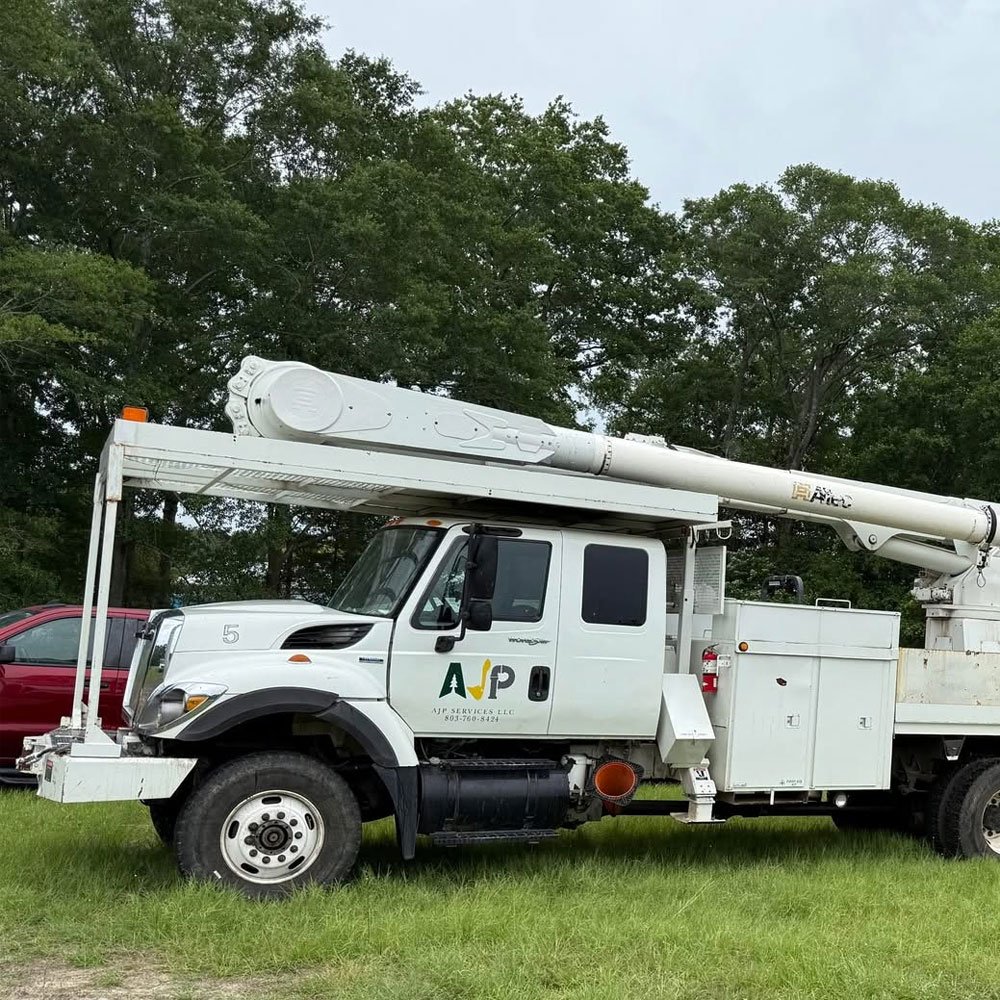
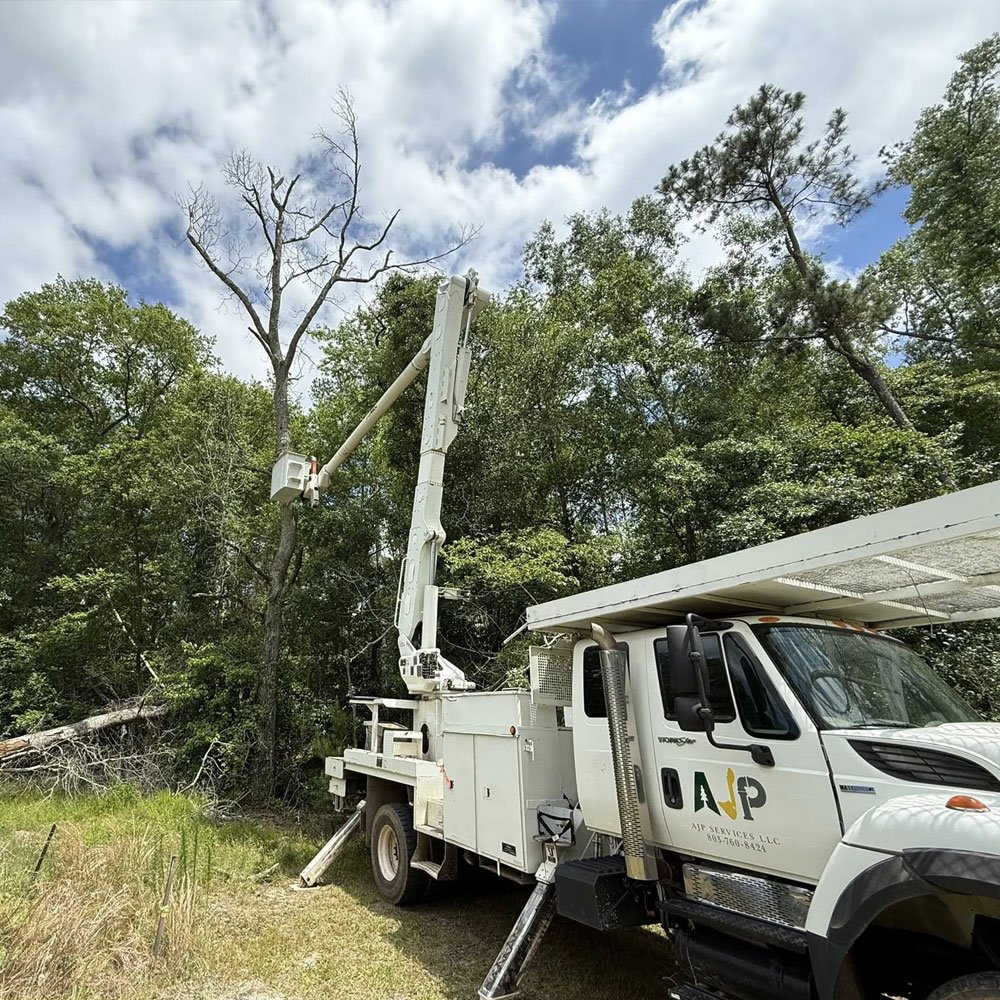
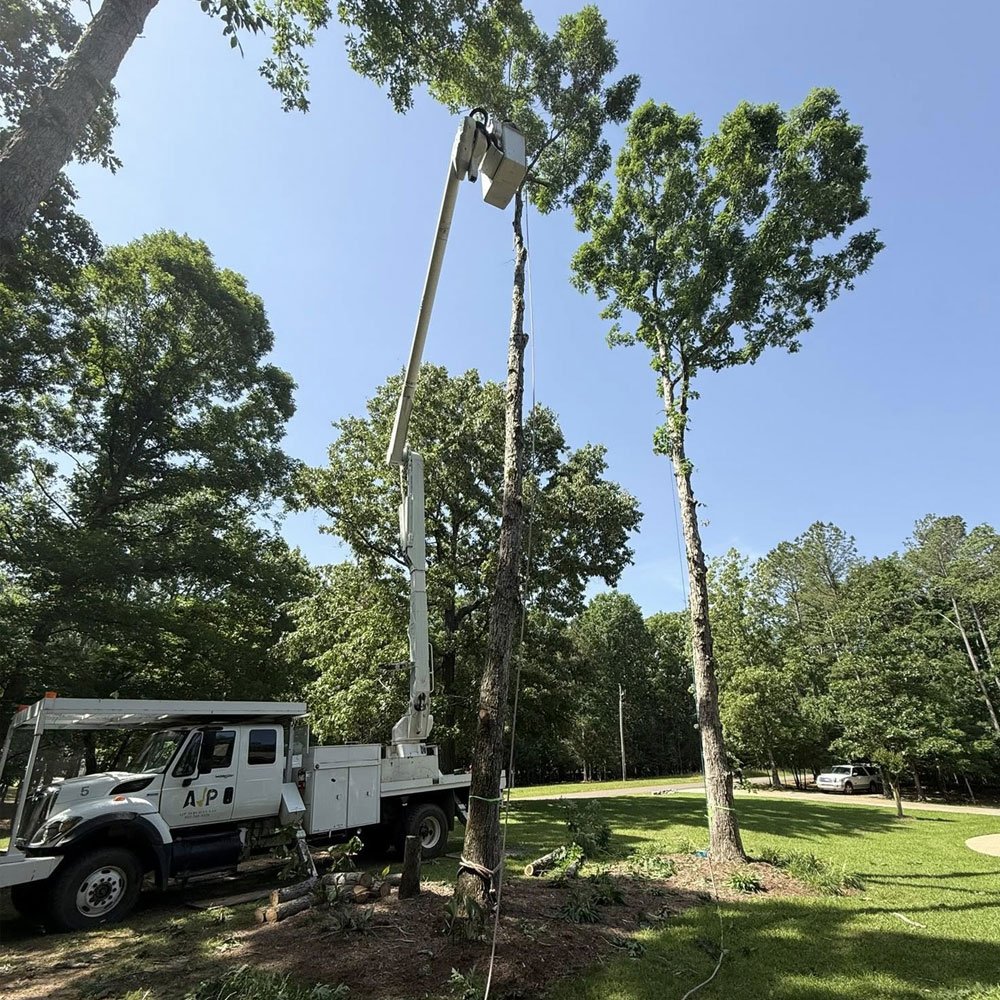
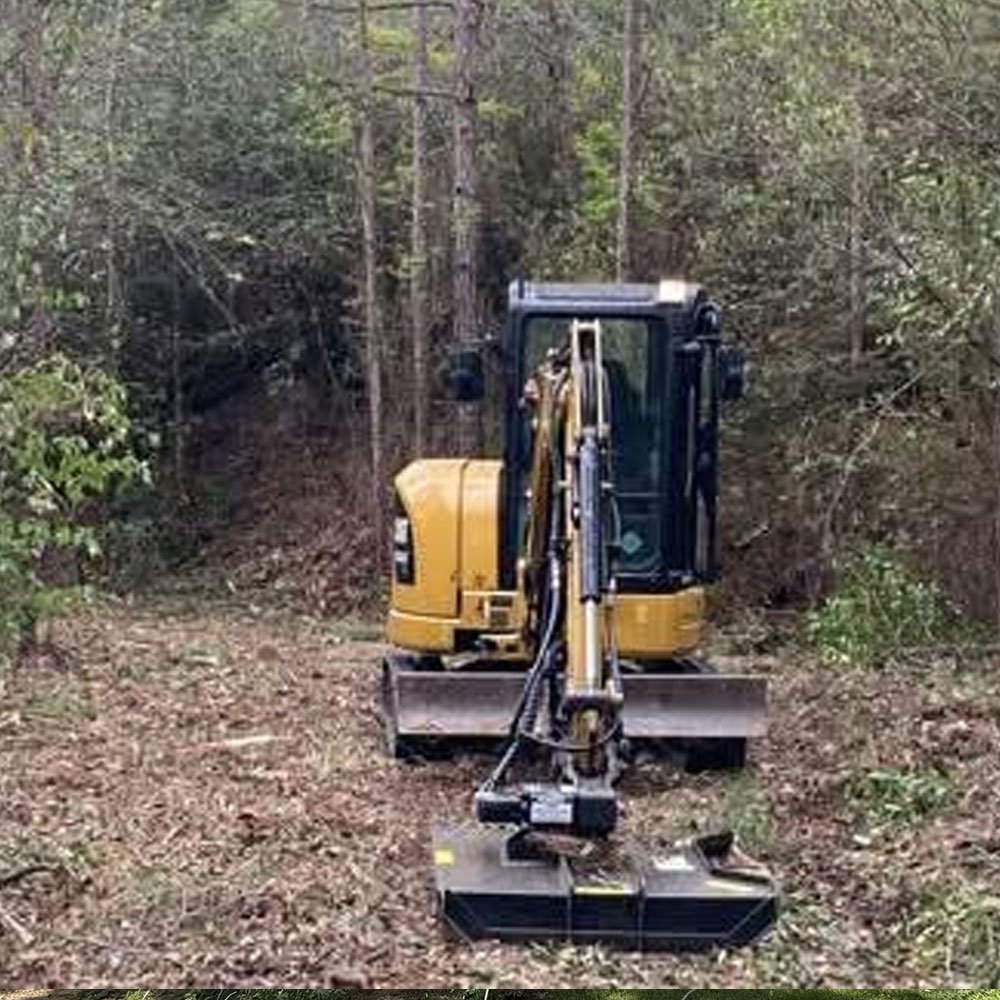
Dead and diseased trees may appear harmless at first, but they often hide serious structural problems that can lead to falling branches, property damage, power outages, pest infestations, and personal injuries. Recognizing the warning signs and taking action before a tree fails is one of the best ways to protect your property and loved ones. For professional tree evaluations, safe removals, and expert land management services, homeowners can trust AJP Services LLC to help maintain a safer and healthier landscape.
Frequently Asked Questions
1. How can I tell if a tree is dead or diseased?
Common signs include dead branches, peeling bark, fungal growth, sparse leaves, trunk cracks, and visible decay.
2. Can a diseased tree recover?
Some tree diseases can be treated if detected early, but severely damaged or decayed trees often require removal.
3. Are dead trees dangerous even if they aren’t leaning?
Yes. Dead trees can drop branches or collapse unexpectedly, even when they appear stable.
4. Can a diseased tree affect nearby healthy trees?
Yes. Certain diseases and pests can spread to surrounding trees if infected trees are not addressed promptly.
5. When should a hazardous tree be removed?
A hazardous tree should be removed as soon as a professional determines it poses a safety risk to people, property, or nearby structures.