When a tree suddenly falls, splits, or begins leaning toward a home, driveway, vehicle, or power line, waiting can turn a manageable problem into a serious safety issue. Severe weather, strong winds, lightning, heavy rain, disease, and weakened roots can all create unexpected tree hazards.
For homeowners and businesses in Batesburg-Leesville, SC, knowing when to seek professional help is essential. Emergency tree removal focuses on quickly identifying immediate risks, securing the area, and safely removing dangerous trees or limbs before they cause additional damage.
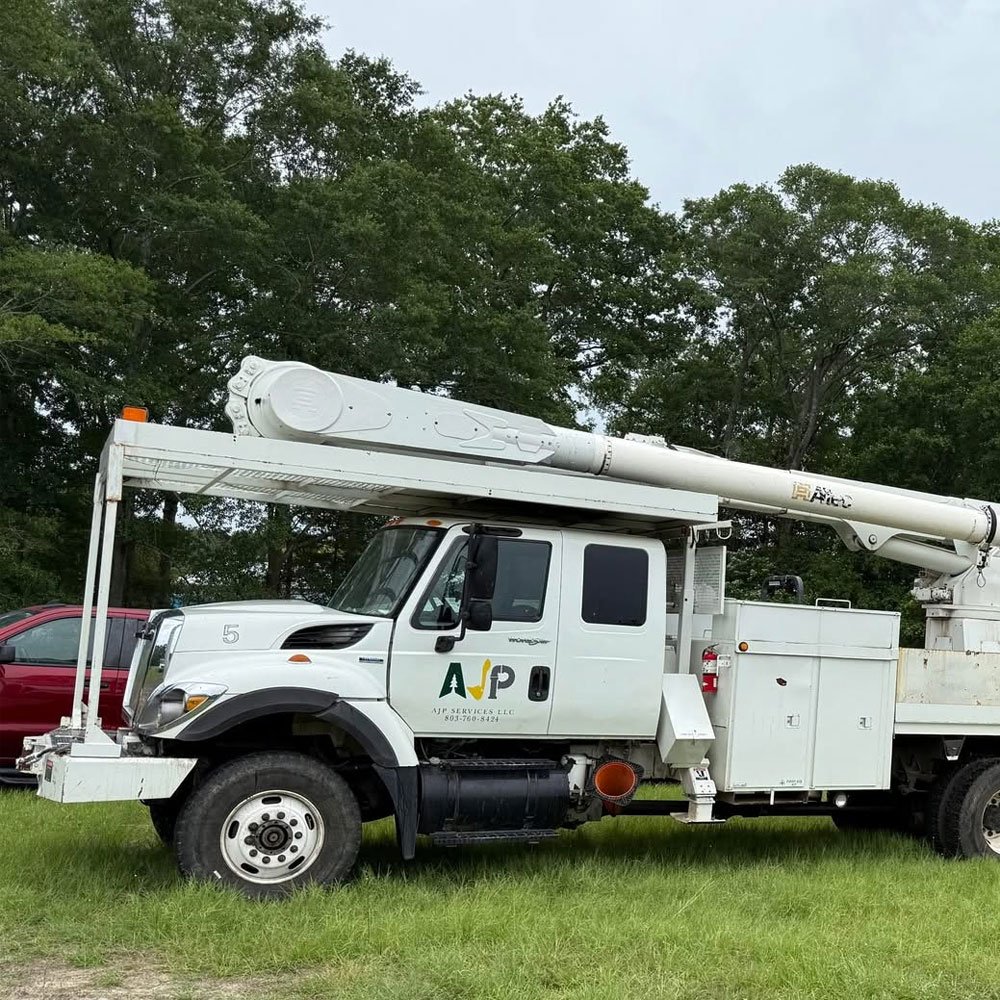
Professional crews use specialized equipment, controlled cutting methods, and careful planning for difficult situations. AJP Services’ emergency tree service page highlights 24/7 availability, hazard assessments, professional rigging, debris removal, and assistance with urgent storm-related situations.
What Makes a Tree Removal an Emergency?
Not every damaged tree requires immediate removal. However, certain warning signs indicate that professional assistance should be requested as soon as possible.
A tree may require urgent attention when:
- It has fallen onto a house, garage, vehicle, or other structure.
- Large branches are hanging dangerously above a driveway or walkway.
- The trunk is severely split or cracked.
- The tree is leaning significantly after a storm.
- Roots have been exposed or lifted from the ground.
- A damaged tree is close to electrical lines.
- A large branch has blocked an entrance or roadway.
- The tree appears unstable and could fall without warning.
Storm-damaged trees can be especially unpredictable. Even when a tree appears stable, hidden structural damage may make it dangerous to approach or cut without professional equipment and experience.
Common Causes of Tree Emergencies
Several conditions can cause a sudden tree emergency in Batesburg-Leesville.
Severe Weather
Strong winds and heavy storms can break branches, split trunks, and uproot entire trees. Lightning may also weaken a tree and create structural problems that are not immediately visible.
Disease and Decay
Trees affected by decay, insects, or disease may gradually lose structural strength. A weakened trunk or branch can fail unexpectedly, particularly during windy weather.
Root Problems
Healthy roots provide stability. Construction, soil disturbance, erosion, or prolonged moisture can affect the root system and increase the possibility of failure.
Age and Structural Weakness
Older trees can develop cavities, cracks, dead branches, and weak branch unions. Regular inspections can help identify these issues before they become emergencies.
What Should You Do When a Tree Falls?
Safety should always be your first priority.
If a tree falls on your property, keep people and pets away from the affected area. Do not attempt to climb over the tree or cut large branches yourself. Fallen trees can remain under significant tension, causing branches or trunks to move unexpectedly when pressure is released.
If the tree has contacted a power line, stay away and contact the appropriate utility provider. Never assume that a line is safe simply because there are no visible sparks.
For trees blocking access or threatening structures, contact a professional tree removal company for an assessment. The goal should be to stabilize the situation first and then determine the safest removal method.
Why Professional Emergency Tree Service Matters
Removing a hazardous tree is very different from cutting down a small tree in an open yard. Emergency situations can involve unstable trunks, suspended branches, buildings, fences, vehicles, utility lines, and limited working space.
Professional tree crews can assess these factors before beginning work. AJP Services describes an evaluation process that considers tree stability, root systems, overhead utilities, surrounding structures, and property layout before developing a removal plan.
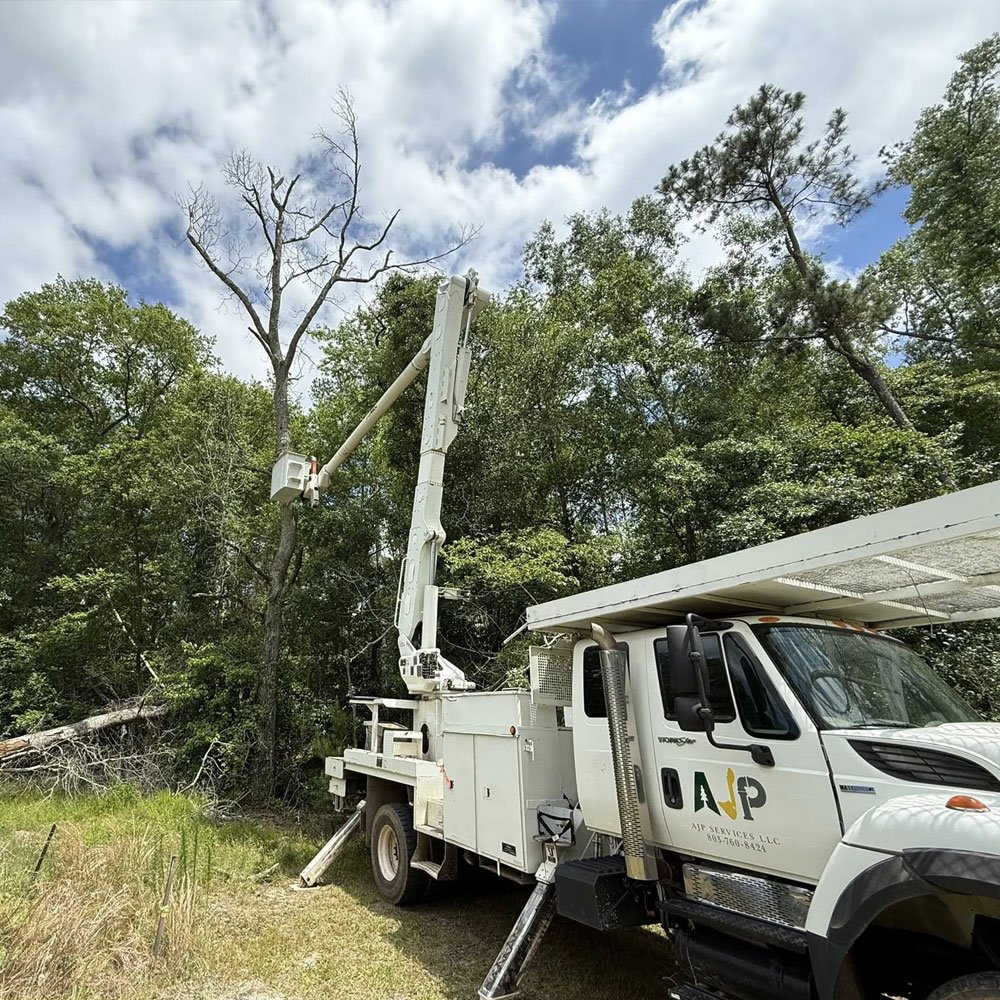
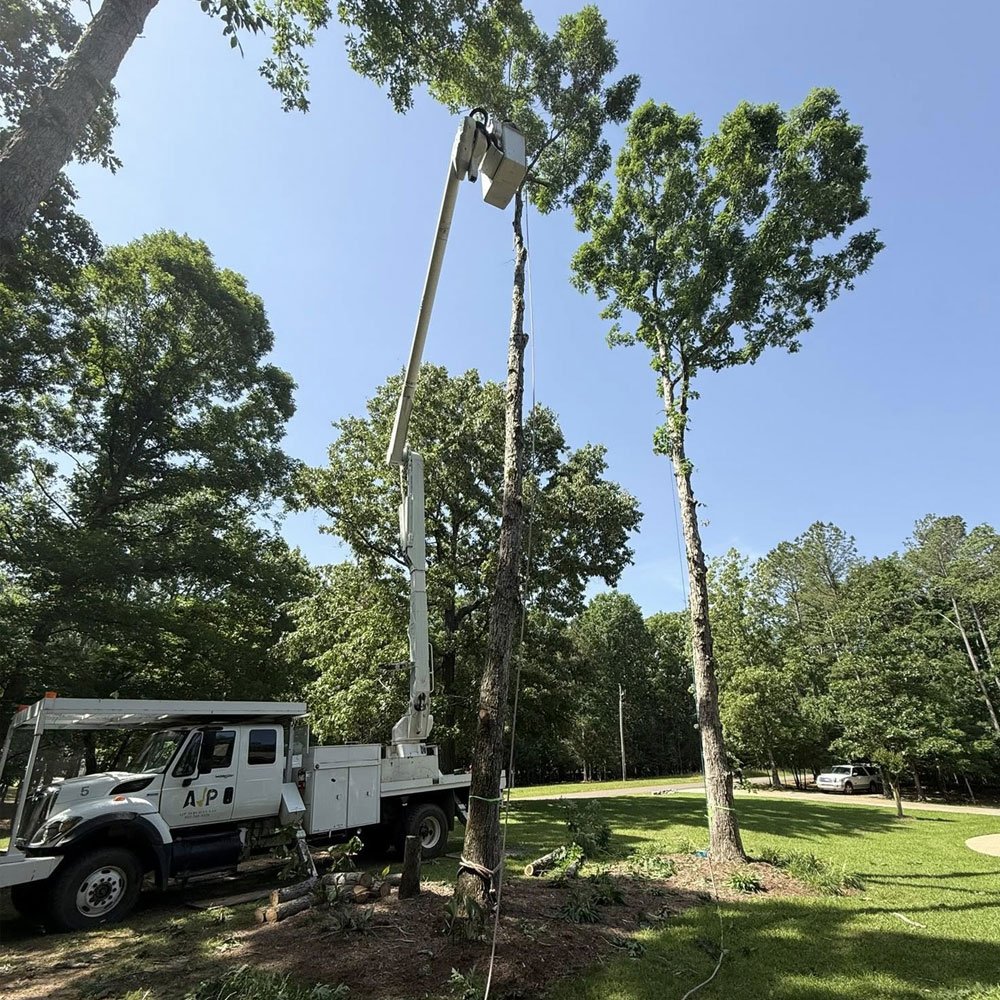
Professionals may also use specialized rigging systems and sectional dismantling. Instead of allowing a large section to fall freely, crews can lower pieces in a controlled manner. This can reduce the possibility of additional property damage.
How Emergency Tree Removal Works
A structured approach can make urgent tree work safer and more efficient.
1. Initial Hazard Assessment
The first step is evaluating the tree and surrounding area. The crew looks for structural damage, unstable branches, utility hazards, access problems, and potential landing zones.
2. Safety Preparation
The work area is secured before cutting begins. Depending on the situation, people, vehicles, and equipment may need to be moved away from the hazard zone.
3. Controlled Removal
The removal method depends on the tree’s position and condition. A simple fallen tree may require cutting and hauling, while a tree leaning against a structure may need sectional dismantling and professional rigging.
4. Debris Removal
Branches, logs, and other debris can create additional hazards if left behind. Professional cleanup helps restore safe access to the property.
5. Final Property Check
After removal, the area should be inspected for remaining hazards. Depending on the situation, homeowners may also consider stump grinding, additional pruning, or an inspection of nearby trees.
AJP Services outlines a process that includes emergency assessment, safety preparation, controlled removal, and debris cleanup.
Signs You Should Not Wait
Some tree problems become more dangerous with time. If you notice a newly developed crack, a major limb hanging from the canopy, exposed roots, or a tree that has suddenly changed position, professional evaluation is recommended.
After a major storm, inspect your property from a safe distance. Look for broken limbs, leaning trunks, lifted roots, and branches resting on structures. Do not approach a tree that is touching or close to a power line.
Prompt action can reduce the possibility of further damage and help determine whether the tree can be stabilized, pruned, or needs complete removal.
Emergency Tree Removal After Storm Damage
Storms are among the most common reasons homeowners need urgent tree services. High winds can create multiple hazards across a property at the same time, including fallen trees, broken branches, blocked driveways, and damaged landscaping.
A storm response may involve removing trees from roofs, clearing access points, cutting hazardous limbs, and hauling away debris. AJP Services also promotes storm-response services for fallen trees, broken limbs, and emergency site clearing in South Carolina.
Homeowners should also document storm damage with photographs when it is safe to do so. If an insurance claim may be involved, photographs, estimates, and invoices can help maintain useful records. Always follow your insurance provider’s instructions regarding emergency mitigation and documentation.
Choosing the Right Tree Removal Company
When searching for tree removal near Batesburg-Leesville, consider more than just price. Emergency work involves significant safety risks, so homeowners should look for a company that demonstrates experience with hazardous trees and difficult removals.
Important factors include:
- Emergency response availability
- Appropriate insurance coverage
- Experienced tree professionals
- Proper safety procedures
- Specialized removal equipment
- Debris hauling and cleanup
- Clear estimates and communication
- Experience with storm-damaged trees
A reliable company should be able to explain the planned removal method and the safety precautions required for your property.
Can Every Damaged Tree Be Saved?
No. Some damaged trees may be recoverable through pruning or other care, while others may present an unacceptable risk and require removal.
The decision depends on factors such as the extent of structural damage, root stability, tree condition, location, and the potential consequences of failure. A professional assessment can help determine the safest option instead of relying on visual appearance alone.
Removing a tree should not automatically be the first choice when a safe alternative exists. However, when a severely compromised tree threatens people or property, delaying removal can increase the risk.
Preventing Future Tree Emergencies
Although not every tree failure can be prevented, regular maintenance can reduce avoidable hazards.
Property owners can schedule periodic tree inspections, remove dead or weak branches, monitor signs of disease and decay, and avoid damaging tree roots during landscaping or construction projects.
Before severe weather, inspect trees near homes, garages, driveways, and other important structures. Trees with obvious defects should be evaluated before the next major storm.
Preventive maintenance can often be less disruptive than dealing with a fallen tree after an emergency.
Frequently Asked Questions
1. When should I call for emergency tree removal?
Call for professional assistance when a tree has fallen onto a structure, is dangerously unstable, has large hanging branches, is blocking access, or presents an immediate risk to people or property.
2. Can I remove a fallen tree myself?
Small branches may sometimes be handled safely by homeowners, but large fallen trees can contain significant tension and unstable sections. Professional removal is safer for large or structurally compromised trees.
3. What if a tree falls on my house?
Keep everyone away from the affected area and avoid attempting to remove the tree yourself. If utilities are involved, stay away from the area and contact the appropriate utility provider. Then contact a professional tree service and your insurance company as appropriate.
4. Does emergency tree service include cleanup?
Many professional services include branch, log, and debris cleanup as part of the removal process. Confirm the exact cleanup and hauling services included in your estimate.
5. Can a damaged tree be saved instead of removed?
Sometimes. If the tree remains structurally stable, selective pruning or other professional care may be possible. A qualified assessment can help determine whether preservation or removal is the safer option.
Conclusion
A damaged or unstable tree should never be ignored when it threatens people, buildings, vehicles, or access areas. Quick professional assessment can help control the hazard, reduce the possibility of additional property damage, and determine the safest removal strategy. For homeowners and businesses facing urgent tree problems in Batesburg-Leesville, SC, AJP Services provides emergency tree removal and storm-response solutions designed around safety, controlled removal, and thorough cleanup.