Storms, high winds, lightning, and heavy rainfall can cause trees to fall unexpectedly. When a tree becomes unstable or collapses onto a home, driveway, or power line, the situation quickly turns into an emergency. Emergency tree removal is designed to address these urgent situations safely and as quickly as possible.
Many homeowners wonder how fast emergency tree removal happens and what the process looks like from the moment damage occurs to the final cleanup. Understanding the typical timeline helps property owners know what to expect and how to respond when a hazardous tree situation arises.
Below is a detailed look at the emergency tree removal timeline and the steps involved in restoring safety to a property.
The First Hour: Assessing the Emergency
The timeline for emergency tree removal begins the moment a hazardous situation is discovered. This could happen during a storm when a tree falls suddenly or after severe weather when property owners notice leaning or damaged trees.
During the first hour, safety is the most important priority. Property owners should immediately check for hazards such as fallen power lines, structural damage, or blocked roadways. If a tree has fallen on electrical lines or utility equipment, the utility company should be contacted before any removal attempts are made.
At this stage, homeowners often contact an emergency tree removal service to report the issue. Providing clear details about the situation—such as the tree’s location, size, and whether structures are involved—helps professionals prepare the appropriate equipment and response plan.
Emergency tree removal services typically respond quickly, especially after storms when hazardous trees pose risks to people and property.
Within a Few Hours: Professional Evaluation
Once the tree removal team arrives at the property, the next step is evaluating the situation. Even when a tree has already fallen, it may still be unstable or under tension from branches, debris, or nearby structures.
Professionals examine several factors during the evaluation stage. They assess whether the tree is resting on a home, fence, vehicle, or other structure. They also look for broken limbs, hanging branches, and partially uprooted trees that could shift unexpectedly.
Another key part of the assessment involves identifying risks to workers and property. Emergency tree removal often requires careful planning to prevent additional damage while removing the tree.
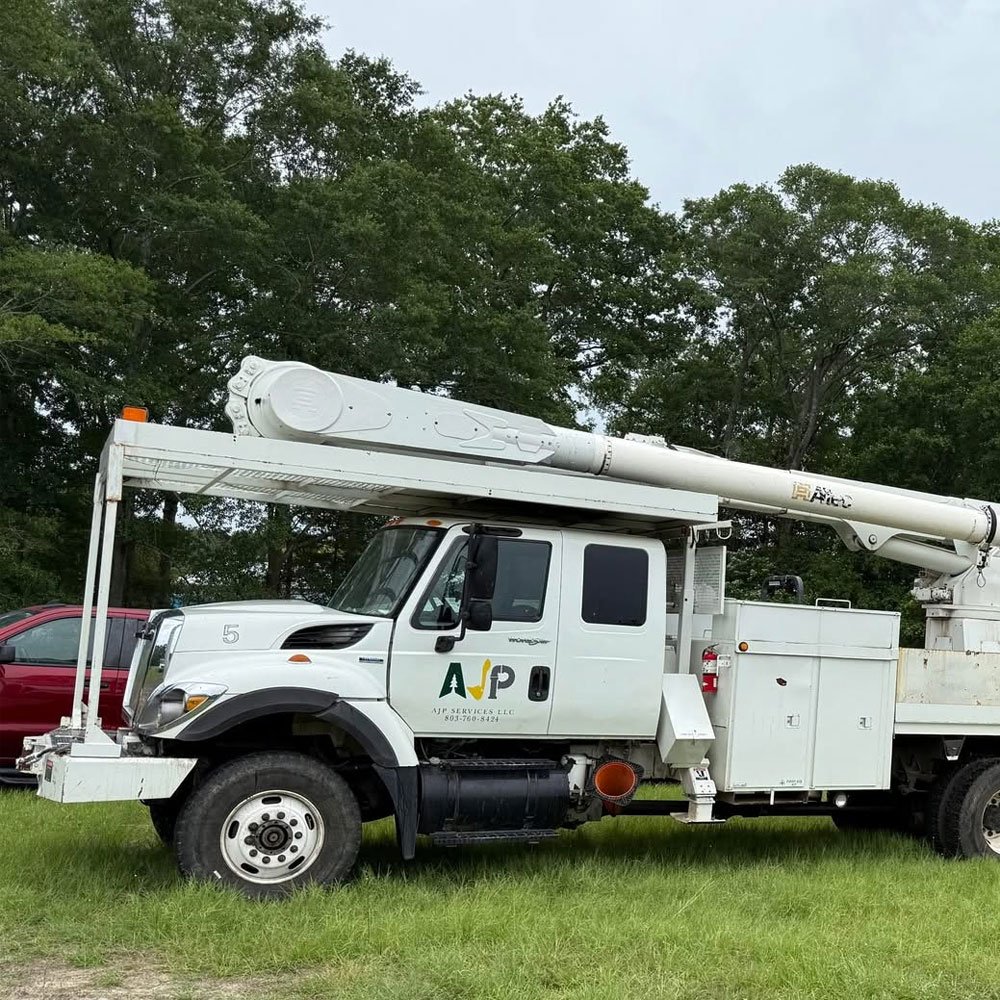
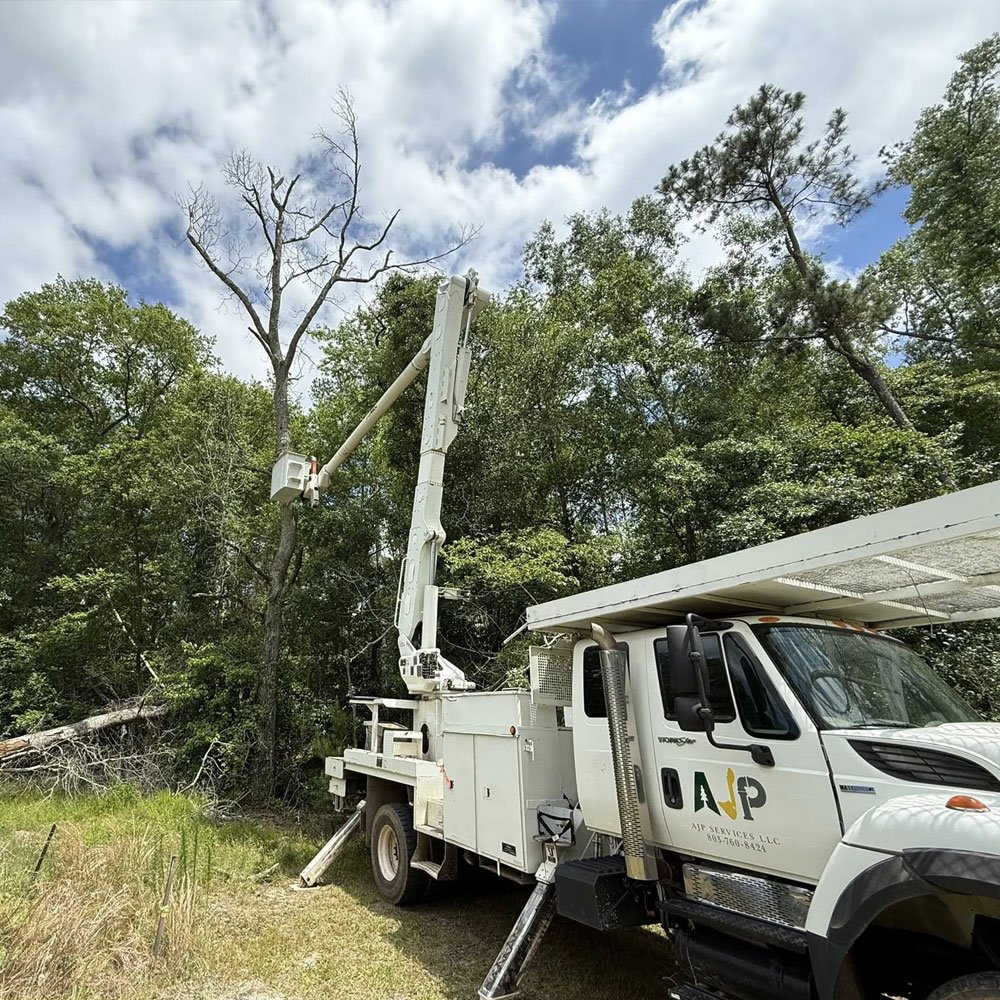
During this phase, professionals also determine what equipment will be required. Depending on the size and location of the tree, removal may involve chainsaws, cranes, rigging systems, or specialized cutting techniques.
The Same Day: Stabilizing the Situation
In most emergency tree removal cases, stabilizing the site happens within the same day. If a tree is leaning dangerously or resting on a structure, crews work to secure the area before beginning full removal.
Stabilization may include removing broken branches that could fall, securing large sections of the tree, or clearing pathways for equipment. This step ensures that removal can proceed safely and efficiently.
If the tree is pressing against a building, the removal team carefully cuts sections of the tree to relieve pressure and prevent further structural damage. Controlled cutting techniques are often used to lower pieces of the tree safely to the ground.
During this stage, debris blocking driveways, roads, or access points may also be cleared to restore basic accessibility to the property.
Within 24 Hours: Tree Removal Begins
In true emergency situations, tree removal typically begins within the first 24 hours after the incident is reported. The goal is to eliminate immediate hazards as quickly as possible.
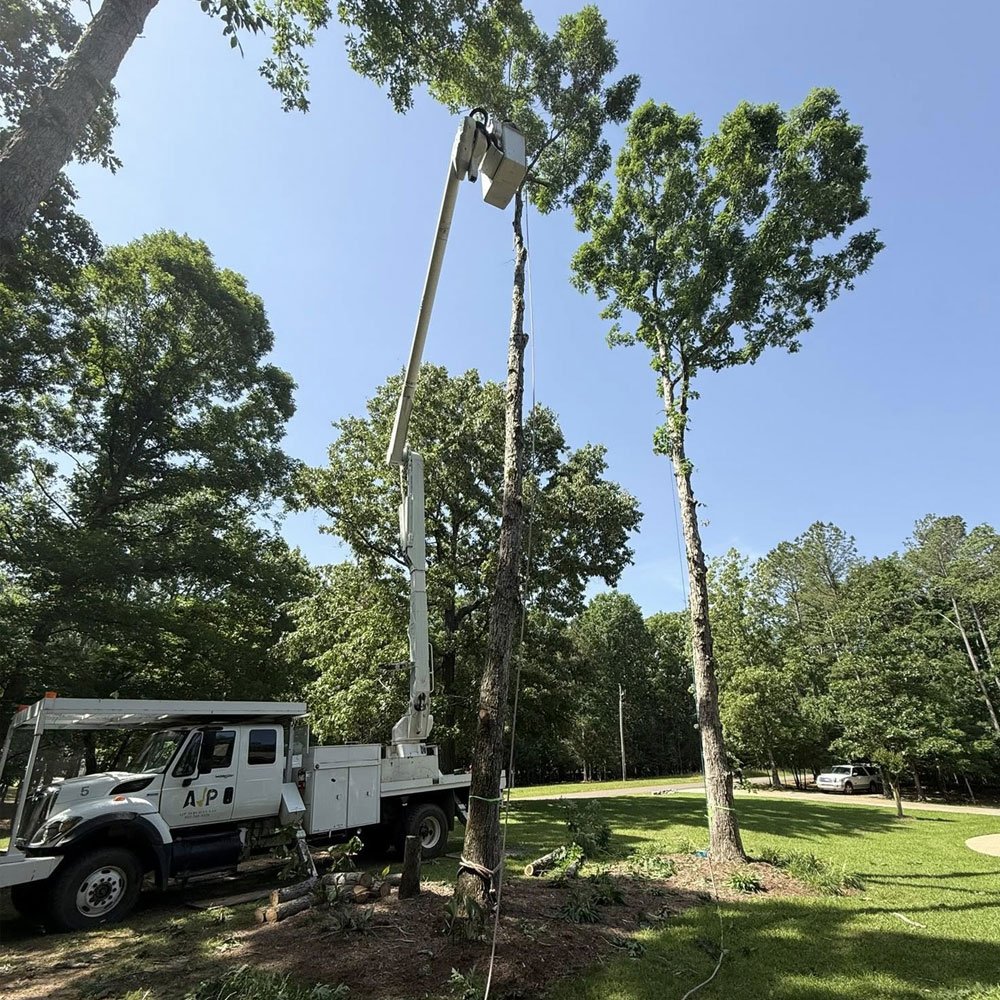
The removal process usually starts with cutting the tree into manageable sections. Large limbs and branches are removed first to reduce weight and stabilize the remaining trunk. This step helps prevent sudden shifts that could cause further damage.
If the tree is resting on a structure, professionals carefully cut sections while supporting the weight with ropes or cranes. This controlled approach ensures that the structure underneath is not damaged further during removal.
For trees that have completely fallen to the ground, the process may involve cutting the trunk into smaller pieces and moving the sections away from the property.
The time required for removal depends on factors such as the size of the tree, its location, and the complexity of the situation.
Within 24 to 48 Hours: Debris Removal and Cleanup
After the main tree has been removed, the next phase involves clearing debris from the property. Emergency tree removal often leaves behind branches, leaves, wood pieces, and other organic debris.
Cleanup crews collect and remove these materials to restore the property to a safe condition. Large logs may be cut into smaller sections for easier transportation, while smaller branches are gathered and hauled away.
In some cases, debris may be chipped into mulch using specialized equipment. This process reduces waste and makes transportation easier.
Removing debris not only improves the appearance of the property but also eliminates tripping hazards and prevents further property damage.
Within Several Days: Stump Removal and Site Restoration
Although emergency tree removal focuses on addressing immediate hazards, additional work may take place over the following days. Once the urgent situation is resolved, property owners may choose to remove the remaining tree stump and restore the affected area.
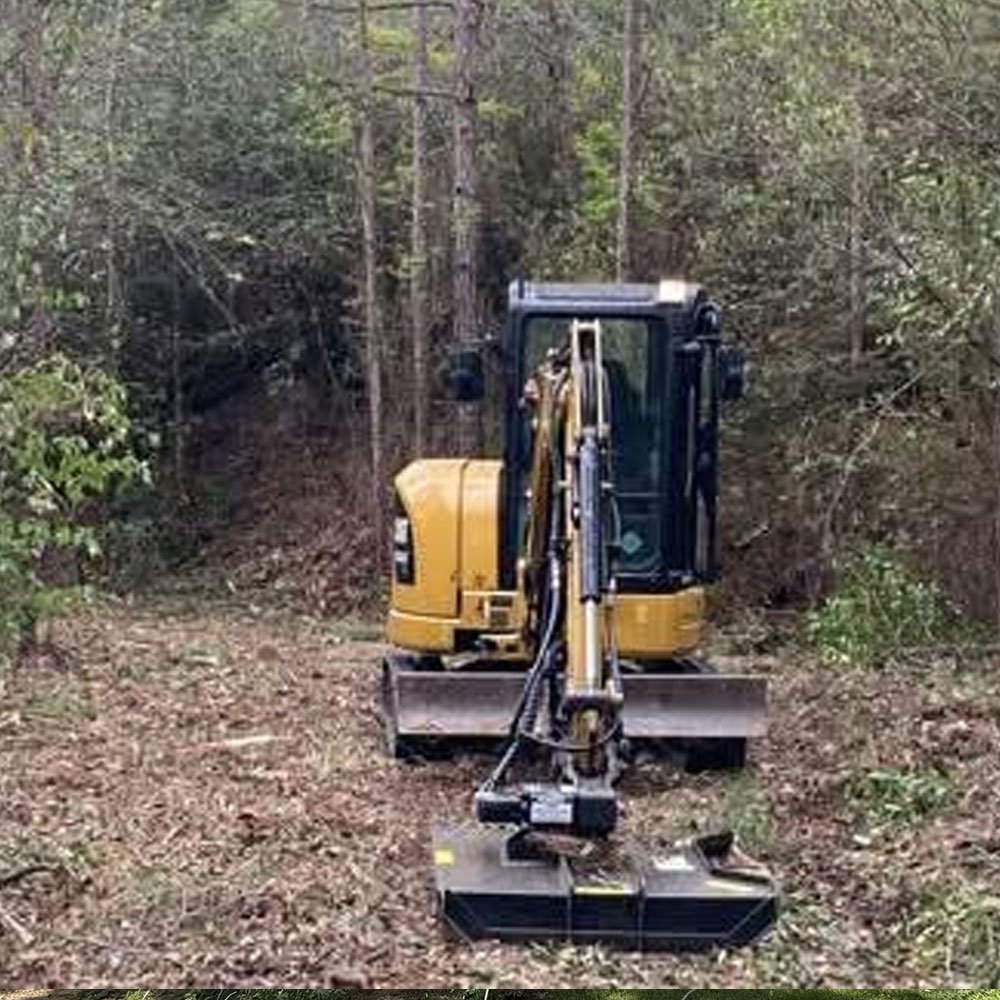
Stump grinding is commonly used to remove the remaining base of the tree. A specialized grinding machine reduces the stump to wood chips, allowing the area to be leveled and reused.
Site restoration may also include repairing damaged landscaping, filling holes left by uprooted trees, and improving drainage if soil erosion occurred during the storm.
These steps help return the property to a functional and visually appealing condition after the emergency has been handled.
Factors That Affect the Emergency Tree Removal Timeline
Although emergency tree removal often follows a similar sequence, the exact timeline can vary depending on several factors.
Weather conditions play a major role. Severe storms may create widespread damage, which means tree service providers must prioritize the most hazardous situations first.
The size and type of tree also affect removal time. Large hardwood trees with thick trunks require more cutting and equipment than smaller trees.
Tree location is another important factor. Trees near buildings, power lines, or tight spaces require more careful removal techniques, which can extend the timeline slightly.
Accessibility also matters. If heavy equipment cannot easily reach the tree, crews may need to use specialized tools or manual methods to complete the job.
Despite these variables, professional emergency tree removal teams are trained to work efficiently while maintaining safety.
Why Quick Emergency Tree Removal Matters
Responding quickly to hazardous trees is essential for several reasons. A fallen or unstable tree can pose serious safety risks to homeowners, neighbors, and passing vehicles.
Damaged trees can also continue shifting after a storm. What appears stable at first may collapse later, causing additional property damage.
Quick removal also helps protect structures from further impact. A tree leaning on a roof or fence may cause increasing pressure over time, leading to more extensive repairs.
Additionally, fast cleanup allows homeowners to regain access to driveways, yards, and other important areas of their property.
Emergency tree removal services are designed to address these risks promptly and restore safety as soon as possible.
Preventing Future Tree Emergencies
While storms cannot be prevented, property owners can reduce the likelihood of emergency tree situations through regular tree maintenance.
Routine inspections help identify weak branches, diseased trees, or structural problems before they become dangerous. Removing dead limbs and trimming overgrown branches reduces the chances of storm damage.
Professional tree assessments can also identify trees that may need removal due to poor health or unstable root systems.
Keeping trees properly maintained not only protects property but also improves the overall safety of the surrounding landscape.
Final Thoughts
Emergency tree removal is a critical service that protects homes, businesses, and communities after storms or unexpected tree failures. From the moment a hazardous tree is discovered to the final cleanup and restoration, the process follows a timeline designed to address safety risks quickly and efficiently.
The first steps involve assessing the situation and contacting professionals. Within hours, trained crews evaluate the damage and stabilize the area. Tree removal typically begins within the first 24 hours, followed by debris cleanup and site restoration.
Understanding this timeline helps property owners know what to expect during stressful situations. When handled by experienced professionals, emergency tree removal restores safety, clears hazards, and helps properties recover quickly after unexpected events.