Excavation is one of the most important steps in many construction and property improvement projects. Whether you are preparing land for a new home, installing drainage systems, building a driveway, or performing small excavation work, proper preparation is critical. Skipping important preparation steps can lead to delays, safety hazards, and unnecessary expenses.
A well-planned excavation project ensures the ground is stable, utilities are protected, and equipment can operate safely. Before any digging begins, property owners and contractors should follow a thorough checklist to ensure the site is ready for excavation.
This guide outlines a detailed excavation preparation checklist to help ensure your project runs smoothly and efficiently.
Understand the Purpose of the Excavation
The first step in preparing for excavation is understanding exactly why the excavation is being performed. Different projects require different excavation methods and levels of preparation.
For example, excavation for a building foundation requires precise digging to specific depths and dimensions. On the other hand, projects such as drainage installation, yard grading, or trenching for utilities may require different equipment and techniques.
Clearly defining the purpose of the excavation helps determine the size of the project, the type of machinery needed, and the preparation required before digging begins.
When the project goals are clear from the beginning, contractors can plan the work more efficiently and avoid costly changes later.
Survey and Inspect the Property
Before excavation starts, a detailed inspection of the property should be conducted. This helps identify potential obstacles and ensures the project area is suitable for excavation.
A site inspection typically includes evaluating the terrain, soil conditions, slope of the land, and surrounding structures. Uneven terrain or loose soil may require additional preparation before heavy equipment can safely operate.
The inspection also helps identify trees, rocks, debris, and vegetation that must be removed before excavation begins. In many cases, clearing the site is necessary to provide enough working space for machinery.
Surveying the land also ensures excavation takes place in the correct location and avoids property boundary issues.
Locate Underground Utilities
One of the most critical steps in any excavation project is locating underground utilities. Many properties contain buried electrical lines, gas lines, water pipes, sewer systems, or communication cables.
Digging without identifying these utilities can result in serious damage, service disruptions, or safety hazards. Accidentally striking a gas line or electrical cable can lead to dangerous situations and costly repairs.
Before excavation begins, utility locations should be identified and clearly marked. In many areas, property owners or contractors can contact a utility location service that marks underground lines.
Once utilities are marked, excavation teams can plan digging routes that avoid these important infrastructure systems.
Obtain Necessary Permits
Depending on the location and scope of the project, excavation work may require permits from local authorities. Construction projects often have regulations related to grading, drainage, and soil disturbance.
Obtaining permits ensures the project follows local building codes and environmental regulations. This step is especially important for larger excavation projects involving foundations, drainage systems, or structural work.
Permits may also require inspections at different stages of the excavation process. Completing the proper paperwork ahead of time prevents delays and ensures the project remains compliant with local laws.
Property owners should check with their local municipality or contractor to determine whether permits are required for their specific excavation project.
Clear the Site
Before excavation equipment arrives, the work area should be cleared of obstacles. This step ensures machines have enough space to operate safely and efficiently.
Site clearing typically includes removing trees, brush, debris, and large rocks. Overgrown vegetation can interfere with excavation equipment and make it difficult to see underground hazards.
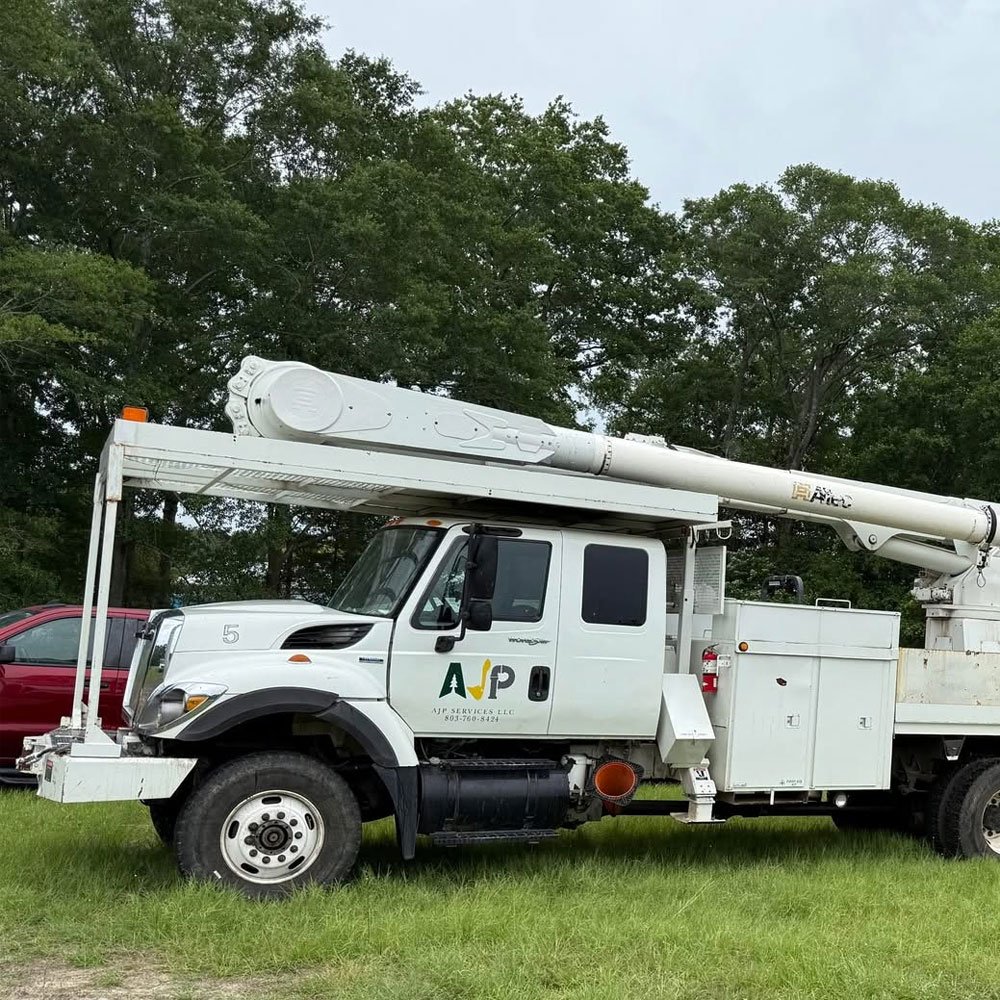
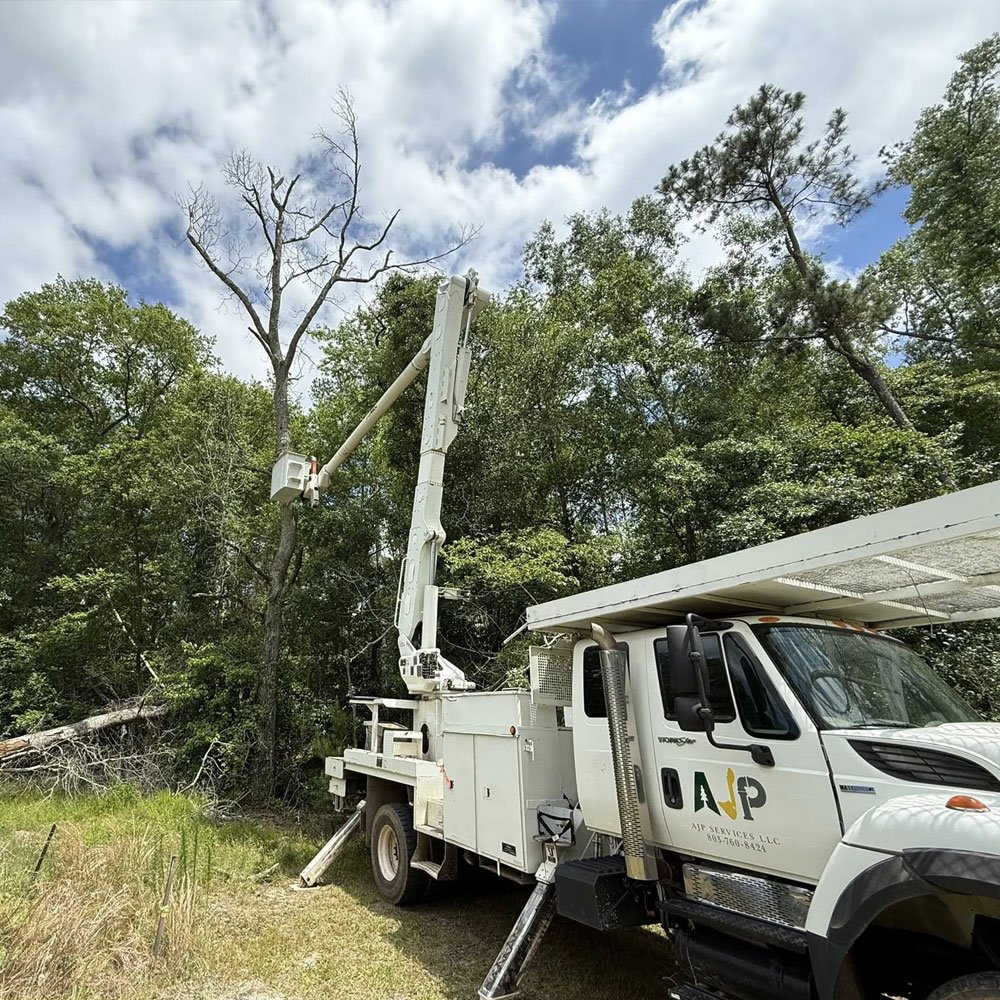
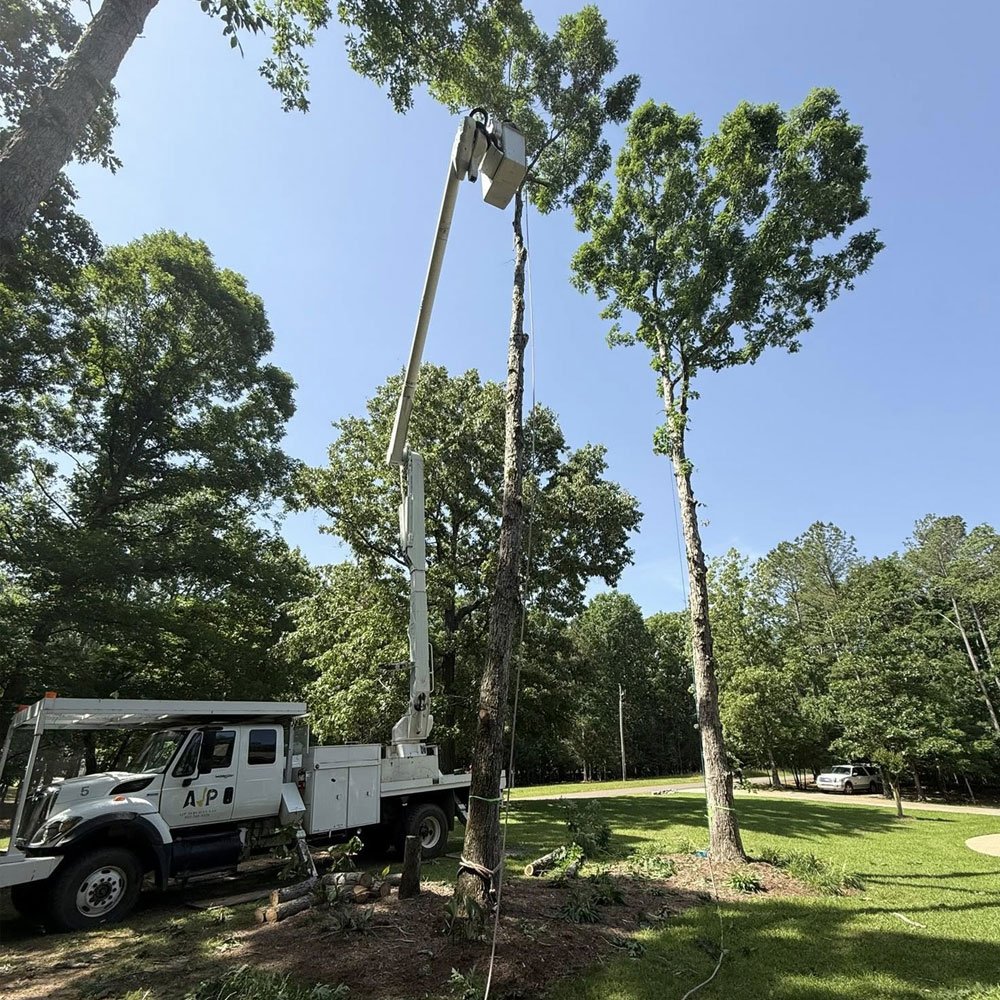
Tree removal or brush cutting may be necessary if the excavation area is located in a wooded or heavily vegetated space. Removing these obstacles also improves visibility and reduces safety risks during the digging process.
Clearing the site creates a clean workspace that allows operators to perform excavation work accurately.
Plan Equipment Access
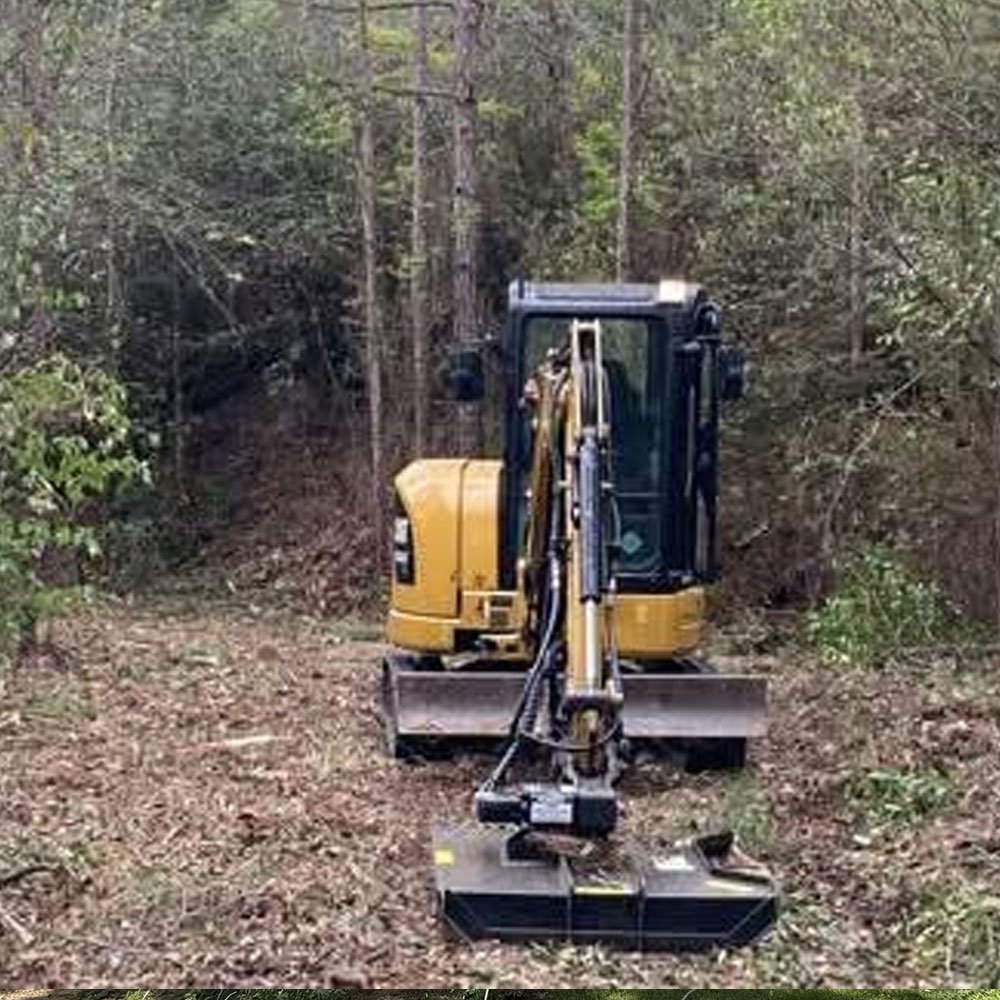
Excavation equipment such as skid steers, excavators, and loaders require adequate space to move around the job site. Planning access routes is an important part of the preparation process.
Property owners should consider how equipment will enter and exit the site. Narrow driveways, fences, or landscaping features may need to be temporarily adjusted to allow machinery access.
Ground stability is also important. Heavy equipment requires stable surfaces to prevent sinking or tipping. Soft or muddy areas may need reinforcement before machinery can operate safely.
Planning equipment access in advance helps prevent delays once the excavation project begins.
Establish Safety Measures
Safety is a major priority in any excavation project. Preparing the site with proper safety measures helps protect workers, property owners, and nearby structures.
Safety preparation often includes marking hazardous areas, installing barriers around excavation zones, and ensuring workers wear appropriate protective equipment.
If the excavation involves deep trenches or large pits, additional precautions may be required. Shoring systems or trench supports may be necessary to prevent soil collapse.
Clear communication between workers and equipment operators also plays an important role in maintaining safety throughout the excavation process.
Evaluate Soil and Drainage Conditions
Soil conditions can significantly affect the success of an excavation project. Some soil types are stable and easy to work with, while others may shift or collapse during digging.
Clay soils, sandy soils, and rocky terrain all present different challenges. Evaluating the soil beforehand allows contractors to adjust their excavation methods accordingly.
Drainage is another important factor. Water accumulation can weaken soil and create unstable working conditions. Identifying drainage patterns helps prevent water-related issues during and after excavation.
If necessary, drainage solutions such as grading or French drains may be installed as part of the excavation project.
Prepare for Material Removal
Excavation projects often generate large amounts of soil, rocks, and debris. Planning how this material will be handled is an important part of preparation.
In some cases, excavated soil can be reused elsewhere on the property for landscaping or grading. However, excess material may need to be transported off-site.
Arranging transportation for debris removal helps keep the work area organized and prevents piles of material from interfering with ongoing work.
Proper material management also ensures the site remains safe and accessible throughout the project.
Protect Nearby Structures
If excavation work is being performed near homes, driveways, fences, or other structures, extra precautions may be necessary. Digging too close to foundations or underground systems can cause structural instability.
Professionals often evaluate how excavation may affect nearby buildings and take steps to prevent damage. This may involve maintaining safe distances from structures or using specialized excavation techniques.
Protecting surrounding structures helps ensure the project does not create additional repair costs or safety concerns.
Communicate With Contractors and Workers
Clear communication is essential for any successful excavation project. Everyone involved in the project should understand the scope of the work, safety procedures, and project timeline.
Before excavation begins, contractors typically review the project plan with their team. This includes discussing equipment usage, digging depth, utility locations, and safety precautions.
Open communication helps ensure that everyone works together efficiently and that potential problems are addressed quickly.
Final Walkthrough Before Excavation Begins
Before the first scoop of soil is removed, a final walkthrough of the site should take place. This step confirms that all preparation tasks have been completed.
During the walkthrough, contractors verify that utilities are marked, permits are secured, equipment access is clear, and safety measures are in place. They also confirm that the excavation area matches the project plan.
This final review helps catch any overlooked issues and ensures the project begins on the right track.
Final Thoughts
Excavation preparation is a crucial step that directly affects the success and safety of any construction or land improvement project. By following a thorough excavation prep checklist, property owners and contractors can avoid costly mistakes and ensure the work progresses smoothly.
From surveying the land and locating underground utilities to clearing the site and planning equipment access, each step plays an important role in preparing the property for excavation. Proper preparation reduces risks, improves efficiency, and helps create a stable foundation for whatever project follows.
Whether the excavation is for construction, drainage installation, landscaping, or property improvement, taking the time to prepare properly ensures the job is completed safely and successfully.