When a tree falls unexpectedly or becomes dangerously unstable, homeowners often wonder how quickly it can be removed. Emergency tree removal is a specialized service designed to address urgent situations such as storm damage, fallen trees, or trees threatening structures. The speed of removal depends on several factors, including the size of the tree, its location, and the level of damage.
What Qualifies as an Emergency Tree Removal?
Emergency tree removal typically occurs when a tree poses an immediate risk to people, homes, vehicles, or power lines. Common situations include:
- Trees that fall during storms
- Trees leaning dangerously toward a house or driveway
- Trees blocking roads or access points
- Broken branches hanging over buildings
- Trees that have damaged roofs, fences, or other structures
In these cases, professional tree removal companies usually prioritize the job and aim to respond as quickly as possible, often within a few hours.
Typical Emergency Tree Removal Timeline
Although every situation is different, emergency tree removal usually follows a structured process. Here’s what the timeline typically looks like:
1. Initial Call and Assessment (30 Minutes – 2 Hours)
The process begins when a homeowner contacts an emergency tree removal service. Most companies ask for photos or a description of the situation. Based on the risk level, they dispatch a crew as quickly as possible. In severe cases, teams may arrive within an hour.
When the crew arrives, they conduct a quick safety assessment. They examine:
- The tree’s size and condition
- Its proximity to structures
- Whether power lines are involved
- Accessibility for equipment
This step ensures the removal is done safely and efficiently.
2. Site Preparation (15 – 45 Minutes)
Before cutting begins, professionals prepare the work area. This includes:
- Securing the area to prevent injuries
- Positioning trucks and equipment
- Planning the safest cutting strategy
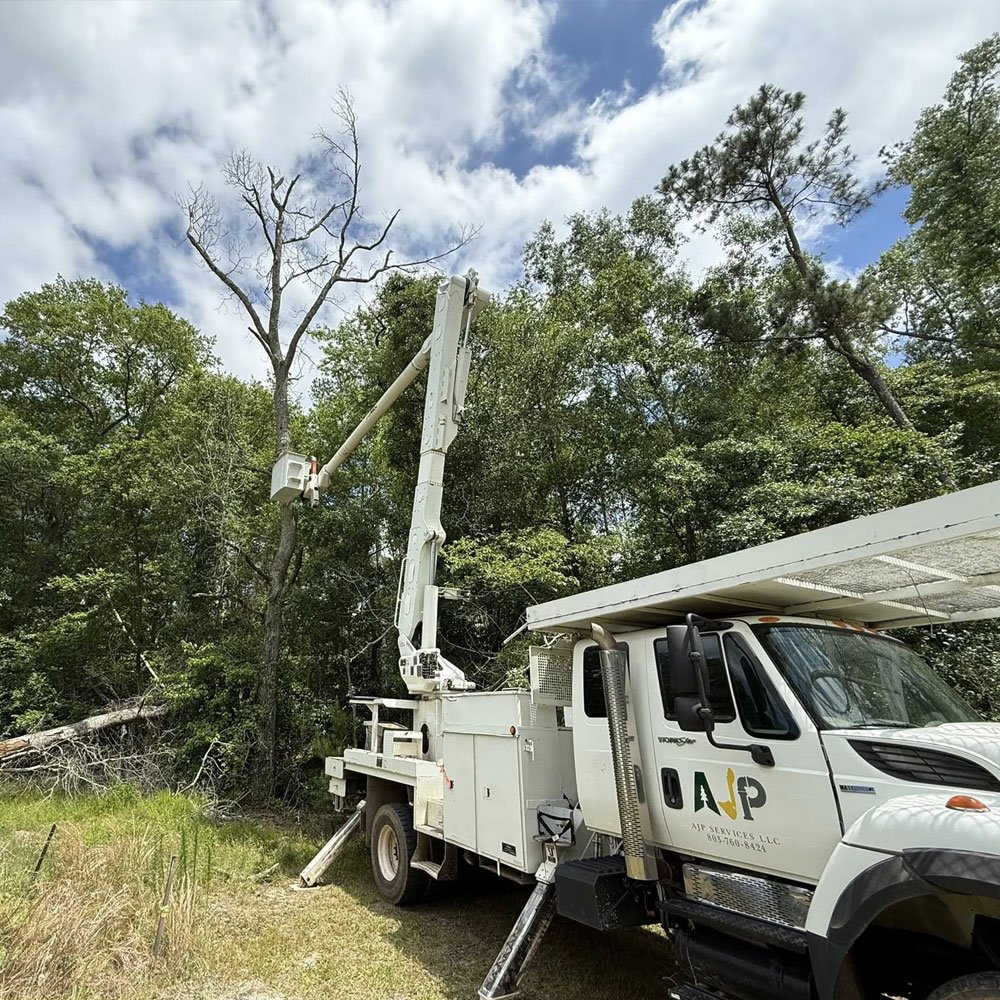
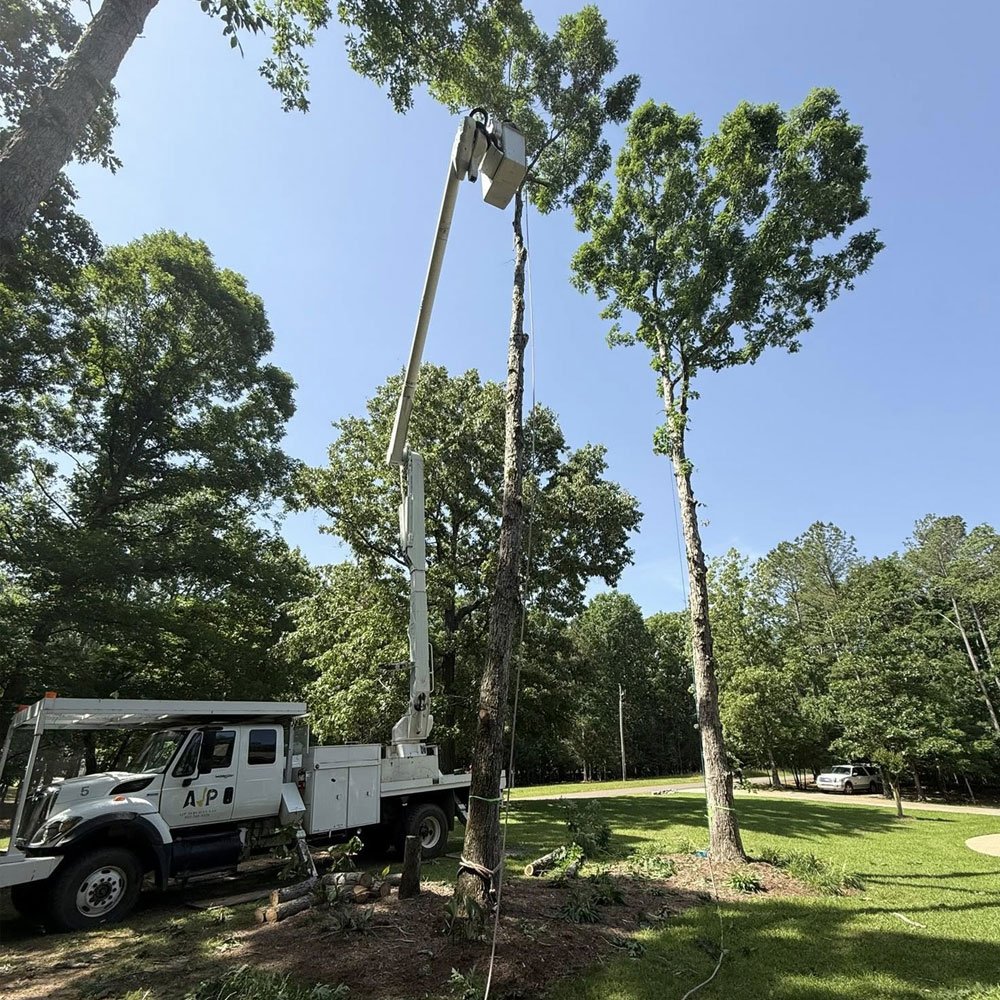
- Setting up ropes, harnesses, or cranes if necessary
Preparation is critical because emergency situations often involve unstable trees or storm debris.
3. Tree Removal Process (30 Minutes – 3 Hours)
The actual removal time varies depending on the complexity of the situation.
- Small fallen trees: 30–60 minutes
- Medium trees near structures: 1–2 hours
- Large trees on homes or power lines: 2–3+ hours
Professionals typically remove the tree in sections. They cut branches first, then gradually dismantle the trunk to prevent further damage.
If the tree has fallen on a house, crews work carefully to avoid additional structural damage while removing each piece.
4. Cleanup and Debris Removal (30 Minutes – 1 Hour)
Once the tree is removed, crews usually clean up the area by:
- Removing branches and debris
- Cutting the trunk into manageable pieces
- Clearing pathways and driveways
- Loading debris onto trucks
Some homeowners choose to keep firewood, while others request complete debris removal.
Factors That Affect Emergency Tree Removal Speed
Several factors influence how quickly a tree can be removed:
Tree Size
Large trees take longer to remove because they require more cutting and equipment.
Location
Trees close to buildings, fences, or power lines require careful dismantling.
Storm Damage Conditions
After major storms, many homeowners request emergency services at the same time, which can increase wait times.
Accessibility
If the tree is located in a backyard or tight space, crews may need specialized equipment or climbing techniques.
Safety Risks
If power lines are involved, utility companies may need to shut off electricity before removal can begin.
Why Professional Emergency Tree Removal Is Important
Trying to remove a fallen or damaged tree without professional equipment can be extremely dangerous. Emergency tree removal experts are trained to handle unstable trees, heavy branches, and hazardous conditions.
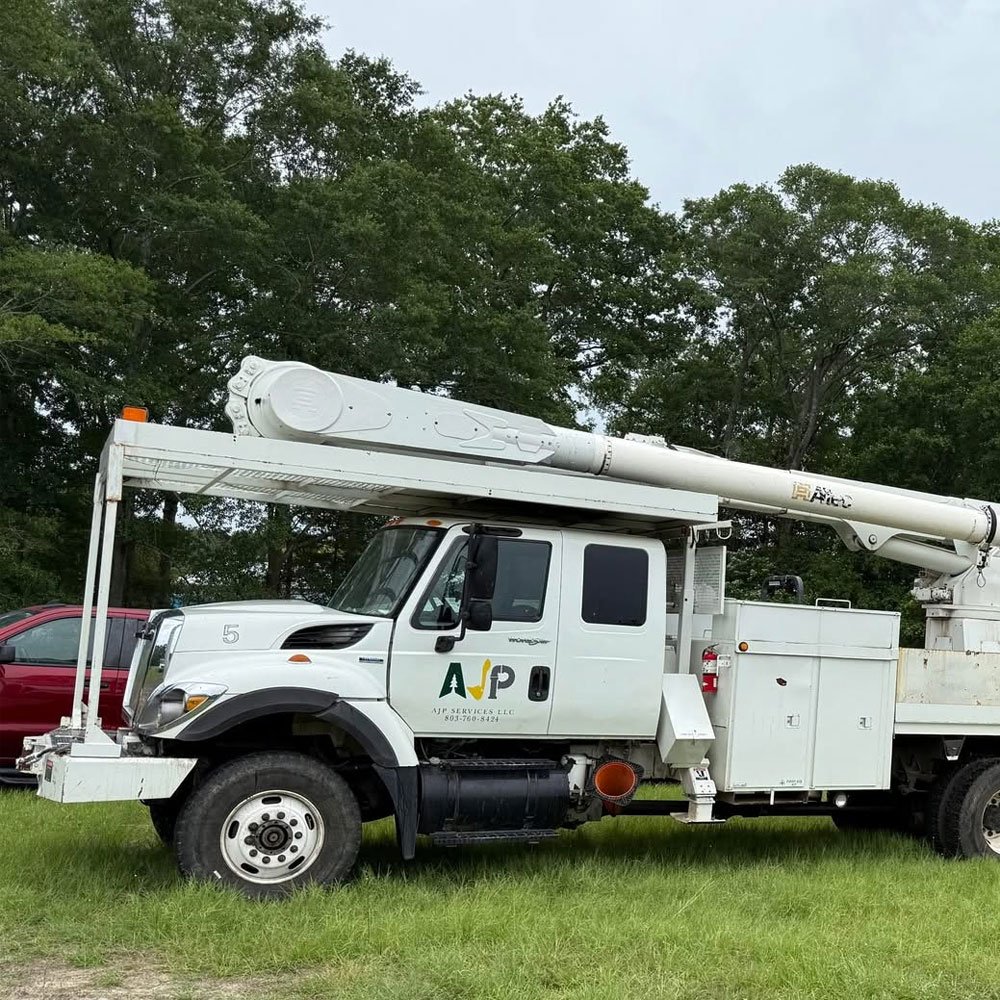
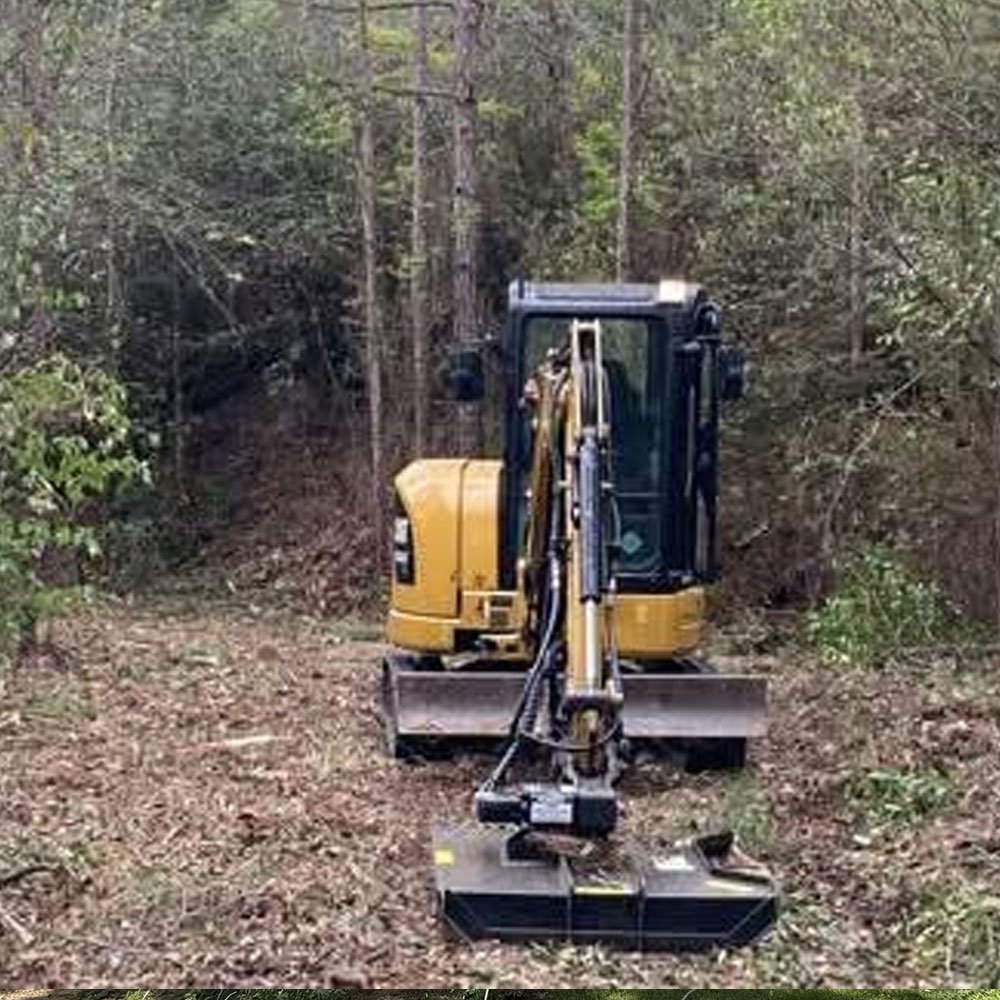
Professional crews use specialized equipment such as:
- Chainsaws designed for large timber
- Cranes for lifting heavy sections
- Climbing harnesses and safety gear
- Wood chippers and debris trucks
These tools allow them to remove trees quickly while minimizing risk.
Preventing Future Tree Emergencies
While some tree emergencies are unavoidable, regular maintenance can reduce the risk. Homeowners should consider:
- Routine tree inspections
- Pruning weak or overgrown branches
- Removing dead or diseased trees
- Monitoring trees after storms
Healthy trees are far less likely to collapse or cause property damage.
Final Thoughts
Emergency tree removal can often be completed within a few hours, depending on the size and complexity of the situation. From the initial assessment to cleanup, professional crews work efficiently to restore safety and prevent further damage. If a tree becomes hazardous, contacting an experienced emergency tree removal service immediately is the safest and fastest solution.