South Carolina’s climate brings many advantages—mild winters, lush landscapes, long growing seasons, and beautiful tree canopies that enhance neighborhoods and properties throughout the state. However, the same environment that helps trees thrive also exposes them to powerful weather conditions. Tropical storms, hurricanes, severe thunderstorms, heavy rainfall, lightning strikes, and high winds regularly affect the region and create significant risks for homeowners and property managers.
During storm season, trees can quickly become hazardous. A healthy-looking tree may suddenly lose large limbs, lean unexpectedly, uproot entirely, or collapse onto homes, vehicles, fences, utility lines, and roadways. In many cases, damage occurs without warning.
Understanding how South Carolina storm seasons affect tree stability can help property owners recognize warning signs early, reduce risks, and know when emergency tree removal services become necessary.
Understanding South Carolina’s Storm Season
South Carolina experiences multiple weather events throughout the year that place stress on trees. While hurricane season officially runs from June through November, severe weather can happen at almost any time.
Common weather conditions affecting trees include:
- Tropical storms and hurricanes
- Heavy thunderstorms
- High wind events
- Lightning strikes
- Saturated soil from prolonged rainfall
- Tornado activity
- Ice accumulation during occasional winter storms
- Rapid temperature shifts
The coastal location of South Carolina increases exposure to tropical systems moving inland from the Atlantic Ocean. Even storms that weaken before landfall can still bring damaging winds and significant rainfall.
Trees endure repeated environmental stress during these events, and over time their structural integrity may weaken.
Why Storms Increase the Risk of Falling Trees
Storm damage rarely happens because of one single factor. Usually, several conditions work together to create failure points.
1. High Winds Create Excessive Pressure
Strong winds are one of the leading causes of tree failures during storms.
Wind pressure affects:
- Large branches
- Weak limb attachments
- Dense canopies
- Diseased trunks
- Dead wood
- Root systems
Tall trees act almost like sails during storms. Broad canopies catch wind and transfer force through the trunk to the roots.
If the tree already has hidden decay, internal rot, insect damage, or structural weakness, strong winds may cause:
- Branch splitting
- Trunk cracking
- Limb breakage
- Uprooting
- Complete collapse
Trees located near open fields or properties without wind barriers often experience greater exposure.
2. Heavy Rain Saturates the Soil
South Carolina storms frequently bring large amounts of rainfall in short periods.
When soil becomes saturated:
- Roots lose grip strength
- Soil shifts around root systems
- Water weakens underground support
- Trees become unstable
Even healthy trees can fail when root systems lose their ability to anchor properly.
Large trees with shallow roots become especially vulnerable.
Signs of root instability include:
- Soil lifting around the base
- Leaning trunks
- Exposed roots
- Ground cracks near trees
- Tilting after storms
If these warning signs appear, emergency inspection may be necessary immediately.
3. Existing Tree Damage Gets Worse During Storms
Many trees fail not because the storm created damage, but because damage already existed.
Common pre-existing issues include:
Internal Decay
Rot inside the trunk weakens structural support.
The outside may appear healthy while the interior becomes hollow.
Storm winds often expose hidden decay by snapping trunks unexpectedly.
Dead Limbs
Dead branches lose flexibility.
Instead of bending during high winds, they break and fall.
These “widow makers” pose major safety hazards.
Pest Infestations
Insects weaken wood and reduce overall health.
Potential culprits include:
- Beetles
- Borers
- Termites
- Wood-damaging insects
Compromised trees become more likely to fail during severe weather.
Disease
Tree diseases gradually weaken branches and root systems.
Storm conditions accelerate failures that may otherwise take years to occur.
Tree Species Commonly Affected During South Carolina Storms
Certain species experience more storm damage than others because of growth patterns, wood density, root structure, or age.
Frequently impacted trees include:
Pine Trees
South Carolina has extensive pine coverage.
Although pines grow quickly, they often become vulnerable because:
- Tall height increases wind exposure
- Root systems may weaken in saturated soil
- Long trunks experience higher stress loads
Large pine failures frequently occur after hurricanes.
Oak Trees
Oaks are generally strong but can still suffer damage when:
- Trees become overgrown
- Limbs extend excessively
- Internal decay develops
- Age weakens structure
Large oak branches can cause severe property damage.
Bradford Pear Trees
Bradford pears are known for weak branch unions.
Storms often cause:
- Limb splitting
- Crown failure
- Sudden breakage
Many property owners eventually remove mature Bradford pears due to safety concerns.
Water Oaks
Water oaks grow rapidly but tend to have shorter lifespans compared to other oak species.
Older trees may become unstable during strong storms.
Warning Signs a Tree May Fall During Storm Season
Recognizing risks early can prevent emergencies.
Watch for these indicators:
Visible Leaning
A tree that suddenly leans after heavy rain or wind deserves immediate attention.
New leaning often indicates root movement.
Cracks in the Trunk
Vertical splits weaken structural integrity.
Storm stress can turn small cracks into major failures.
Hanging Limbs
Broken branches trapped in the canopy create dangerous conditions.
These limbs may fall days or weeks later.
Root Exposure
Exposed roots may indicate soil erosion or shifting.
Trees with unstable roots require professional evaluation.
Mushrooms Near the Base
Fungal growth sometimes suggests internal decay.
Rot inside roots can significantly reduce stability.
Hollow Sections
Visible cavities often indicate advanced deterioration.
Trees with extensive hollow areas face elevated failure risks.
How Falling Trees Damage Property
Storm-related tree failures can cause extensive and expensive destruction.
Common impacts include:
Roof Damage
Large limbs may:
- Puncture roofing materials
- Break rafters
- Damage shingles
- Create leaks
- Collapse sections of roofs
Water intrusion often follows immediately.
Vehicle Damage
Falling branches frequently strike:
- Cars
- Trucks
- Recreational vehicles
- Boats
- Trailers
Even smaller limbs can cause thousands of dollars in repairs.
Utility Line Problems
Trees contacting power lines create hazards such as:
- Electrical outages
- Fire risks
- Emergency utility shutdowns
Never approach trees touching electrical equipment.
Professional response is critical.
Fence and Landscape Destruction
Heavy branches destroy:
- Wood fencing
- Gates
- Retaining walls
- Gardens
- Irrigation systems
- Decorative landscaping
Cleanup costs rise quickly after major storms.
Why Emergency Tree Removal Becomes Necessary
Emergency removal differs from routine tree service.
Standard removals are planned and controlled.
Emergency situations often involve:
- Fallen trees on structures
- Hanging limbs
- Uprooted trunks
- Storm debris blocking access
- Trees leaning toward homes
- Immediate safety threats
Rapid action helps prevent additional damage.
Delays may allow:
- Structural collapse
- Water intrusion
- Secondary property loss
- Further tree movement
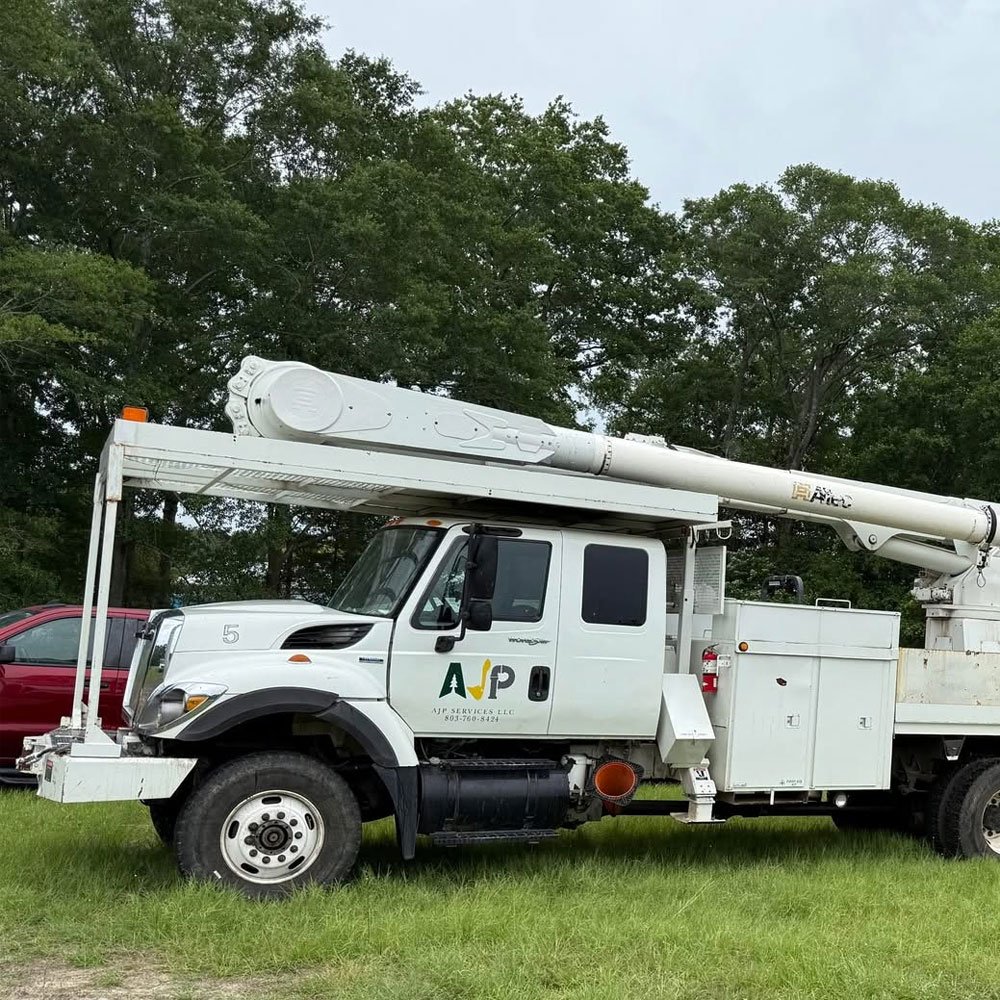
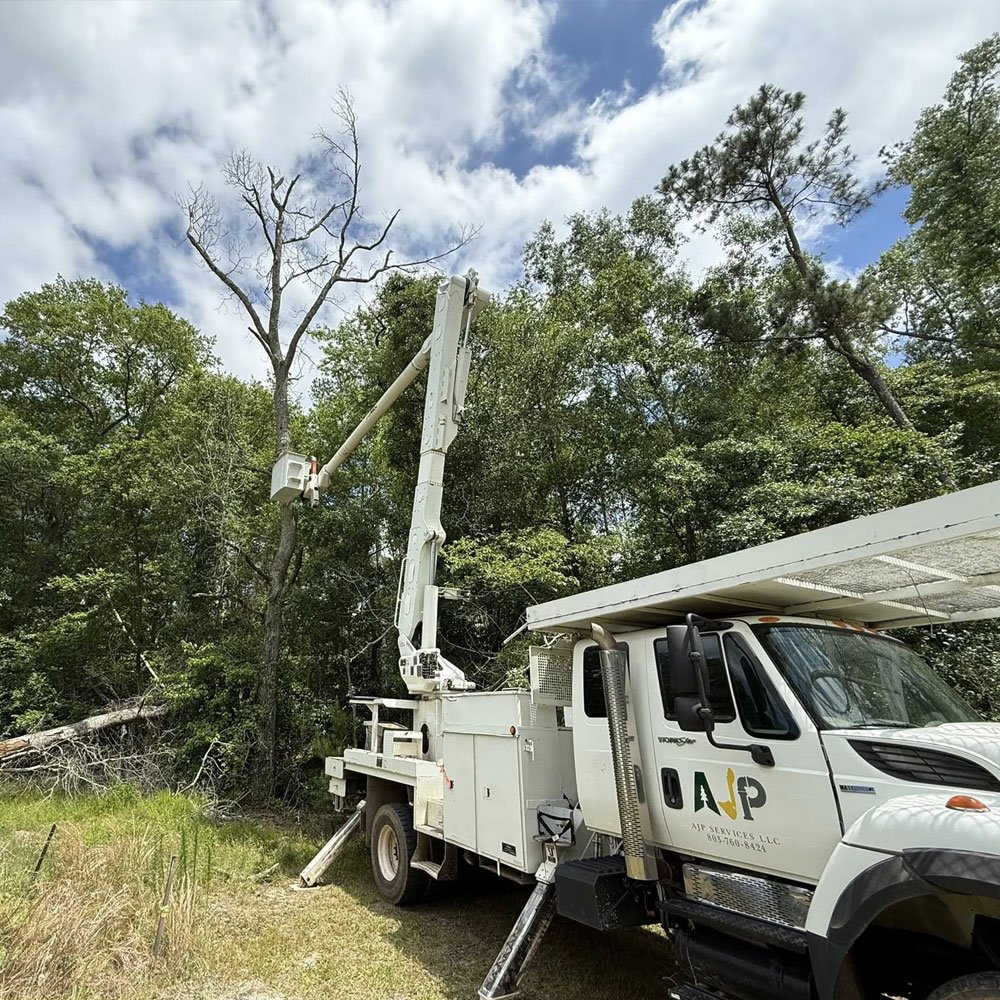
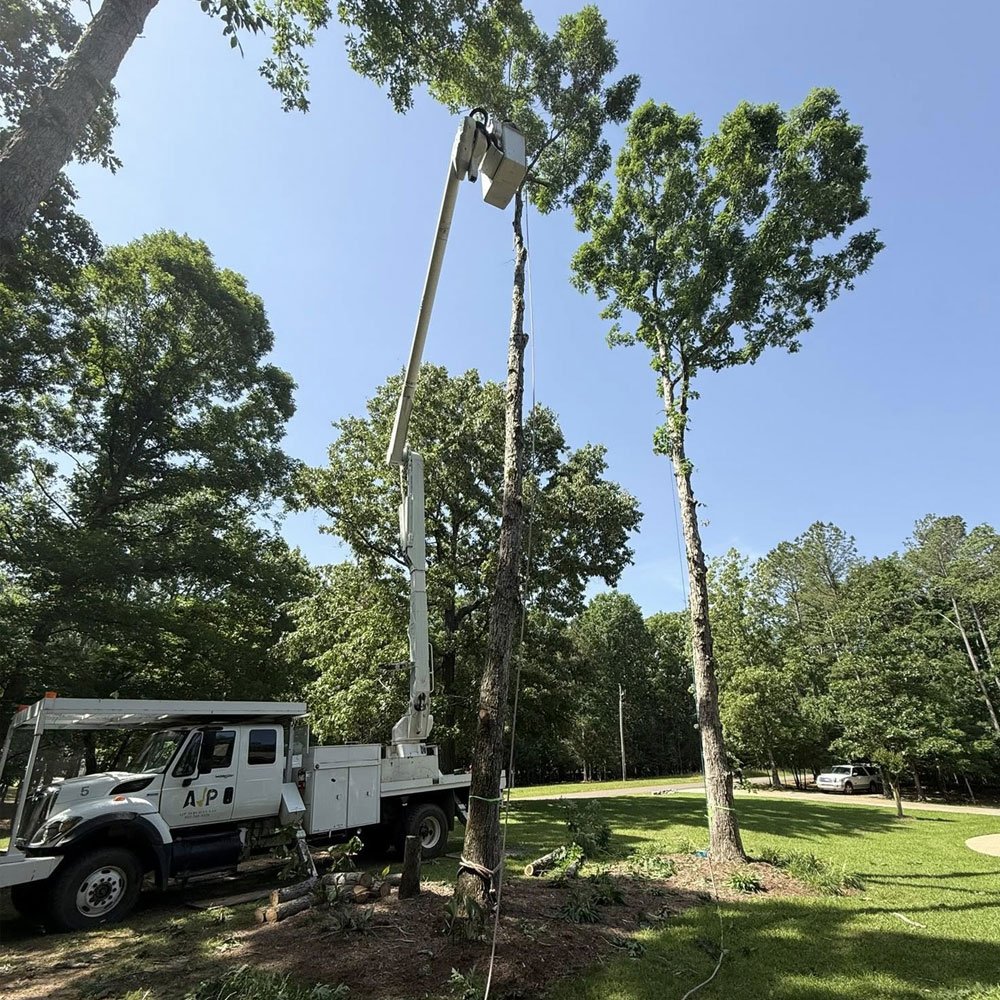
Emergency crews typically use specialized equipment because damaged trees behave unpredictably.
Steps Homeowners Should Take After a Storm
If severe weather passes through your area, inspect your property carefully.
Step 1: Stay Safe
Never walk directly under damaged limbs.
Hidden breaks may fail unexpectedly.
Avoid:
- Leaning trees
- Suspended branches
- Downed power lines
- Split trunks
Safety comes first.
Step 2: Inspect from a Distance
Look for:
- New leaning
- Soil movement
- Broken canopies
- Hanging limbs
- Root lifting
Take photos for insurance documentation if necessary.
Step 3: Keep the Area Clear
Prevent family members, pets, and visitors from entering hazardous zones.
Use temporary barriers if needed.
Step 4: Contact Tree Professionals
Storm-damaged trees require trained evaluation.
Professionals determine:
- Structural stability
- Removal urgency
- Salvage possibilities
- Risk levels
Some trees can be saved while others require removal.
Preventive Tree Maintenance Before Storm Season
Prevention remains one of the best ways to reduce emergency removals.
Routine Pruning
Strategic trimming removes:
- Dead limbs
- Weak branches
- Excess canopy weight
- Crossing limbs
Reduced wind resistance lowers storm stress.
Tree Inspections
Annual inspections identify:
- Decay
- Disease
- Root problems
- Pest activity
- Structural defects
Early treatment often prevents failures.
Cabling and Bracing
Certain mature trees benefit from support systems.
Cables help stabilize weak branch unions.
Bracing reduces movement during storms.
Remove High-Risk Trees
Some trees become too dangerous to keep.
Removal may be recommended when:
- Decay is extensive
- Roots fail
- Trunks split
- Leaning increases
- Disease becomes severe
Removing hazardous trees before storm season can avoid emergency situations later.
The Financial Impact of Ignoring Tree Risks
Many homeowners delay maintenance because trees appear healthy.
Unfortunately, storm damage often costs far more than preventive care.
Potential expenses include:
- Roof repairs
- Structural reconstruction
- Vehicle repairs
- Insurance deductibles
- Landscape restoration
- Utility repairs
- Emergency cleanup
- Temporary housing costs
Proactive inspections usually cost far less than storm recovery.
How Climate Patterns May Increase Future Risks
Weather experts continue monitoring changing climate conditions across the Southeast.
Potential trends affecting South Carolina include:
- Stronger storm systems
- Increased rainfall events
- Longer hurricane seasons
- Higher wind intensity
- More frequent severe weather outbreaks
These patterns could place additional stress on existing tree populations.
Older trees, weakened root systems, and unmanaged landscapes may face higher risks in coming years.
Property owners who invest in regular maintenance may be better prepared for these changes.
Tree Safety for Commercial Properties
Storm-related tree hazards do not only affect homeowners.
Commercial properties face risks involving:
- Parking lots
- Customer access routes
- Signage
- Building entrances
- Outdoor seating areas
- Employee vehicles
Businesses may also face liability concerns if neglected trees cause injuries.
Routine assessments help reduce exposure.
Property managers often schedule:
- Seasonal inspections
- Preventive pruning
- Dead tree removal
- Storm preparation services
These efforts improve safety and reduce emergency calls.
Choosing Professional Tree Services After Storm Damage
Storm cleanup can be dangerous and complex.
Professional crews bring:
- Safety equipment
- Climbing systems
- Chainsaws and rigging tools
- Cranes when needed
- Experience with unstable trees
Attempting large removals independently increases risk of injury.
Tree failures involve unpredictable movement, hidden tension, and shifting loads.
Professional handling protects people and property.
Final Thoughts
South Carolina’s storm seasons create beautiful rain-filled landscapes, but they also increase the likelihood of dangerous tree failures. High winds, saturated soil, hidden decay, disease, and aging trees all contribute to storm-related damage.
A tree that looks healthy today may become hazardous tomorrow when severe weather arrives.
Understanding warning signs, scheduling routine inspections, trimming vulnerable limbs, and addressing structural problems early can significantly reduce risk.
When storms strike, fast response and emergency tree removal services become essential for protecting homes, vehicles, businesses, and families.
Preparing before storm season—not after damage occurs—is often the best investment property owners can make.