1. Introduction: Don’t Let Hidden Storm Damage Catch You Off Guard
After a major storm passes, most homeowners step outside to check for obvious signs of damage—fallen branches, missing shingles, or broken windows. If everything looks intact, it’s easy to assume your home is safe. But the truth is, not all storm damage is visible right away.
Hidden storm damage is one of the most dangerous threats to your home because it can quietly worsen over time. Small issues like minor roof cracks or water intrusion can lead to serious structural problems, mold growth, and expensive repairs if left untreated.
That’s why knowing how to properly inspect your home after a storm is essential. A thorough inspection helps you identify early warning signs and take action before the damage becomes severe.
In this guide, you’ll learn a step-by-step approach to inspecting your home for hidden storm damage, what signs to look for, and when to call professionals.
2. Understanding Hidden Storm Damage: What You Might Not See
Hidden storm damage refers to issues that are not immediately visible but can compromise your home’s integrity over time.
Common Causes of Hidden Damage
Storms can cause subtle damage through:
- Strong winds lifting roofing materials
- Hail creating small cracks or dents
- Heavy rain seeping into tiny gaps
- Flying debris causing minor but critical damage
Why It Often Goes Unnoticed
Many homeowners miss hidden damage because:
- It doesn’t show immediate symptoms
- It occurs beneath surfaces (roof layers, walls)
- There are no leaks right away
- Damage may take weeks or months to appear
Why Early Detection Matters
Ignoring hidden damage can lead to:
- Roof leaks and water damage
- Mold and mildew growth
- Structural weakening
- Higher repair costs
Catching these issues early can save thousands of dollars and prevent long-term problems.
3. Exterior Inspection: First Line of Defense
Your home’s exterior takes the direct impact of storms, making it the most important place to start your inspection.
Roof Inspection
The roof is the most vulnerable part of your home.
What to Look For
- Missing, curled, or cracked shingles
- Dark patches or uneven areas
- Granules in gutters (a sign of shingle wear)
- Dents caused by hail
- Loose flashing around vents and chimneys
Inspection Tips
- Use binoculars to inspect from the ground
- Avoid climbing onto the roof unless it’s safe
Gutters and Downspouts
Gutters help direct water away from your home.
Check For
- Sagging or detached sections
- Blockages from leaves and debris
- Water overflow marks
- Shingle granules collecting in gutters
Damaged gutters can lead to water pooling near your foundation.
Siding and Exterior Walls
Storms can weaken your home’s outer structure.
Signs of Damage
- Cracks or dents in siding
- Loose or warped panels
- Water stains or discoloration
Even small cracks can allow moisture to enter and cause hidden issues.
Windows and Doors
Windows and doors are common entry points for water.
Inspect For
- Broken seals
- Cracked glass
- Water intrusion around frames
Proper sealing is crucial for preventing leaks and maintaining energy efficiency.
4. Interior Inspection: Detecting Early Warning Signs
Hidden storm damage often becomes noticeable inside your home before it’s visible outside.
Ceilings and Walls
Water intrusion is one of the most common issues.
Look For
- Yellow or brown stains
- Peeling paint or bubbling drywall
- Soft or sagging areas
These signs often indicate a roof leak or moisture buildup.
Attic Inspection
Your attic is one of the best places to find hidden damage.
Check For
- Damp or wet insulation
- Mold or mildew
- Sunlight coming through the roof
- Musty odors
Even small leaks can quickly lead to serious damage if not addressed.
Floors and Carpets
Water damage can spread to flooring.
Watch For
- Warped wood floors
- Damp carpets
- Unusual smells
These may indicate water intrusion from above or poor drainage.
Electrical Systems
Storms can also affect electrical components.
Warning Signs
- Flickering lights
- Tripped circuit breakers
- Malfunctioning outlets
If you notice electrical issues, address them immediately for safety.
5. When to Call a Professional Inspection Service
While DIY inspections are helpful, they may not uncover all hidden issues.
When You Should Call a Professional
- After severe storms with hail or strong winds
- If you notice any signs of water damage
- If your roof is older or previously damaged
- If you’re unabout the extent of damage
Benefits of Professional Inspections
- Thorough and accurate assessment
- Use of specialized tools
- Identification of hidden issues
- Documentation for insurance claims
Insurance Claim Support
A professional report can help:
- Provide proof of damage
- Speed up claim processing
- Prevent claim denial
6. Prevention Tips: Protect Your Home from Future Storm Damage
Prevention is key to minimizing damage and repair costs.
Regular Maintenance
- Schedule annual roof inspections
- Clean gutters frequently
- Fix minor issues promptly
Upgrade Materials
Consider investing in:
- Impact-resistant shingles
- Durable siding materials
- High-quality flashing and seals
Trim Trees and Remove Hazards
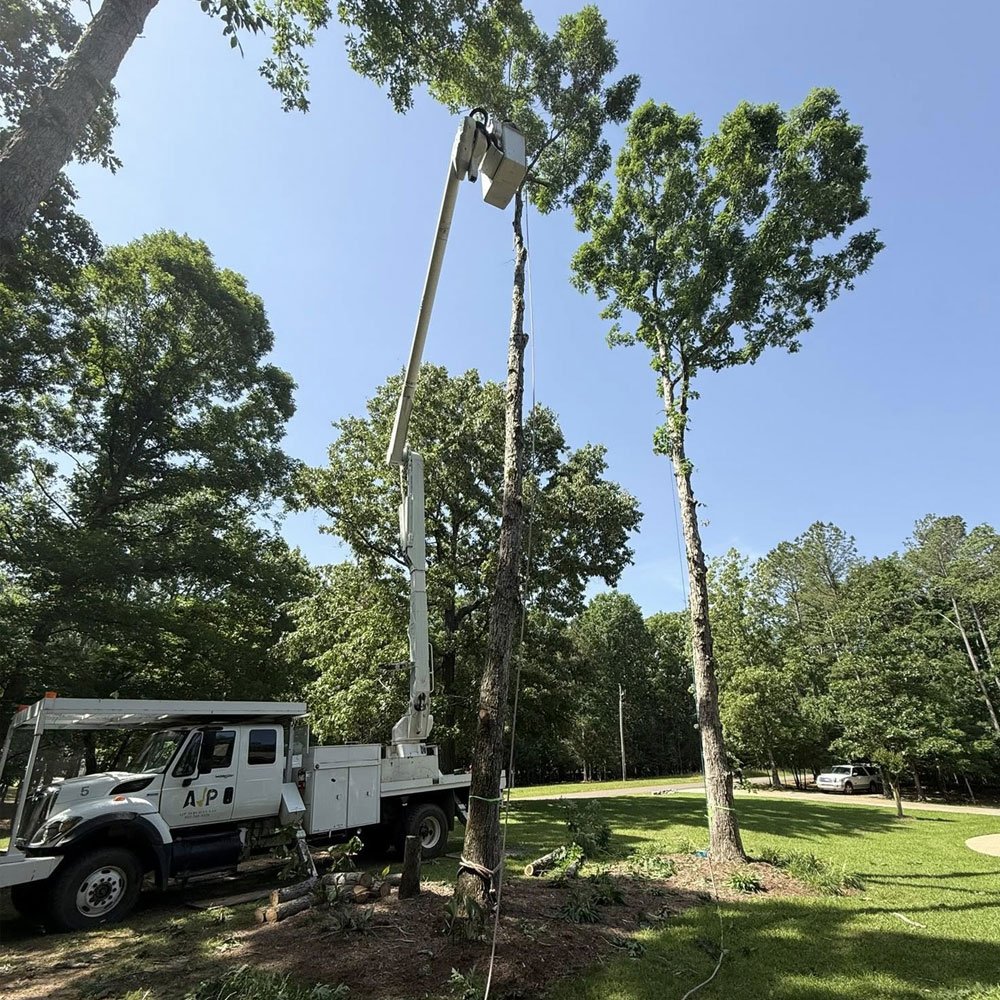
Overhanging branches can cause major damage during storms. Keep your yard well-maintained.
EnProper Drainage
Make water flows away from your home to prevent foundation damage.
Prepare for Storm Season
- Keep emergency supplies ready
- Document your home’s condition
- Know who to call for repairs
Conclusion
Hidden storm damage is one of the most overlooked risks homeowners face. While visible damage is easy to spot, hidden issues can quietly worsen and lead to costly repairs if ignored.
By learning how to inspect your home thoroughly—both inside and out—you can identify problems early and take action before they escalate. Regular inspections, timely repairs, and professional evaluations are essential for maintaining a safe and secure home.
Don’t wait for small issues to turn into major problems. A proactive approach to storm damage inspection can save you time, money, and stress in the long run.