Insurance is designed to provide financial protection when unexpected events occur. Whether it is storm damage, fallen trees, property damage, or other unforeseen incidents, insurance coverage helps property owners recover from losses without bearing the full financial burden. However, when something does happen, the process of filing and managing an insurance claim can feel confusing and overwhelming.
Many homeowners are unsure about what steps to take, how to document damage, or what information insurance companies require. Understanding how insurance claims work can make the process smoother and help ensure that property owners receive the compensation they are entitled to under their policy.
This guide explains what insurance claims are, when they are necessary, how the process works, and how property owners can navigate claims more effectively.
What Is an Insurance Claim?
An insurance claim is a formal request submitted to an insurance company asking for compensation after a covered loss or damage occurs. When a policyholder experiences damage to their home, property, or belongings due to events such as storms, accidents, or natural disasters, they can file a claim to recover the cost of repairs or replacement.
Once a claim is submitted, the insurance company reviews the details of the incident and evaluates the damage. This process usually involves reviewing documentation, photographs, repair estimates, and sometimes an on-site inspection by an insurance adjuster.
If the claim is approved, the insurance company provides payment based on the terms of the policy. The amount paid depends on factors such as coverage limits, deductibles, and the extent of the damage.
Insurance claims exist to help policyholders recover financially from unexpected events, but the process requires accurate information and proper documentation to move forward smoothly.
Common Situations That Require Insurance Claims
Many different situations can lead to insurance claims for homeowners and property owners. Some events are sudden and unexpected, while others result from severe weather or accidents.
Storm damage is one of the most common reasons people file insurance claims. High winds, heavy rain, lightning, and severe storms can damage roofs, knock down trees, and cause structural issues. Fallen trees or large branches can damage homes, fences, vehicles, or other structures.
Fire damage is another major reason for insurance claims. Even small fires can cause extensive smoke damage and structural problems that require professional restoration.
Water damage is also a frequent cause of insurance claims. Broken pipes, flooding, roof leaks, or appliance malfunctions can lead to significant property damage if not addressed quickly.
Other situations may include vehicle collisions with property structures, vandalism, or accidental damage. In each case, insurance claims help cover the costs of repairs and recovery.
The Insurance Claim Process
Although every insurance company may have slightly different procedures, most insurance claims follow a similar process from start to finish.
The first step is reporting the damage. Once an incident occurs, the policyholder should contact their insurance company as soon as possible. Many insurers allow claims to be filed online, through mobile apps, or by phone.
Next comes documenting the damage. Taking clear photographs and videos of the affected areas helps provide evidence of the damage. Property owners should also make a list of damaged items and record the approximate value if possible.
After the claim is submitted, the insurance company reviews the information and may assign an adjuster to inspect the property. The adjuster’s role is to evaluate the damage and estimate the cost of repairs.
Once the inspection is complete, the insurance company determines whether the claim is covered under the policy. If the claim is approved, the company will issue payment based on the repair estimate and policy terms.
In some cases, multiple payments may be issued as repairs progress, especially for larger claims involving significant damage.
The Role of Insurance Adjusters
Insurance adjusters play an important role in the claims process. Their job is to investigate the incident, verify the details, and determine the extent of the damage.
When an adjuster visits a property, they typically inspect the damaged areas, take photographs, and review documentation provided by the homeowner. They may also measure damage, review repair estimates, and ask questions about how the incident occurred.
Adjusters are responsible for ensuring that claims are handled according to the policy terms. They evaluate whether the damage falls within the coverage limits and calculate the estimated repair costs.
While adjusters work on behalf of the insurance company, their assessments are based on documented damage and professional evaluation. Providing clear documentation and accurate information helps ensure the adjuster can complete their assessment efficiently.
Importance of Proper Documentation
One of the most critical aspects of filing an insurance claim is proper documentation. Clear records help support the claim and make it easier for insurance companies to understand the extent of the damage.
Photographs and videos are often the most helpful forms of documentation. Capturing images of the damaged areas from multiple angles provides visual evidence of the situation. It is also helpful to document surrounding areas to show the overall impact.
Written descriptions of the damage can also support the claim. Property owners should note the date of the incident, the cause of the damage if known, and any immediate actions taken to prevent further issues.
Repair estimates from contractors or service providers may also be requested during the claims process. These estimates help insurance companies determine the cost of repairs and the appropriate payout.
Keeping organized records of all communication with the insurance company is also recommended. This includes emails, claim numbers, and notes from phone conversations.
Challenges Property Owners May Face
Although insurance claims are designed to help property owners recover from damage, the process can sometimes present challenges.
One common challenge is understanding policy coverage. Insurance policies often contain detailed terms, exclusions, and deductibles that may affect how much compensation is available.
Another challenge involves delays in the claims process. Large-scale events such as severe storms may result in many claims being filed at the same time, which can slow down inspections and approvals.
Disputes about repair estimates can also occur. Sometimes the initial estimate provided by the insurance company may differ from contractor estimates, requiring further review.
Additionally, some claims may be partially approved or denied if the damage is not covered under the policy. This can be frustrating for homeowners who expected full coverage.
Understanding the claims process and maintaining thorough documentation can help reduce these challenges and improve communication with the insurance provider.
Tips for a Smooth Insurance Claim Experience
There are several steps property owners can take to make the insurance claim process more efficient and less stressful.
First, report the damage promptly. Waiting too long to file a claim may complicate the process or raise questions about when the damage occurred.
Second, document everything carefully. Photos, videos, and written notes provide valuable evidence that helps support the claim.
Third, review the insurance policy before filing a claim. Understanding coverage limits and deductibles helps set realistic expectations about potential payouts.
Fourth, keep communication organized. Maintaining records of all interactions with the insurance company helps avoid confusion and ensures important details are not lost.
Finally, obtain professional repair estimates when necessary. Accurate estimates help ensure the insurance payout reflects the true cost of repairs.
When Professional Services Help with Insurance Claims
In some situations, property owners may need professional assistance when dealing with insurance claims. This is especially common when damage involves trees, structural issues, or large-scale property repairs.
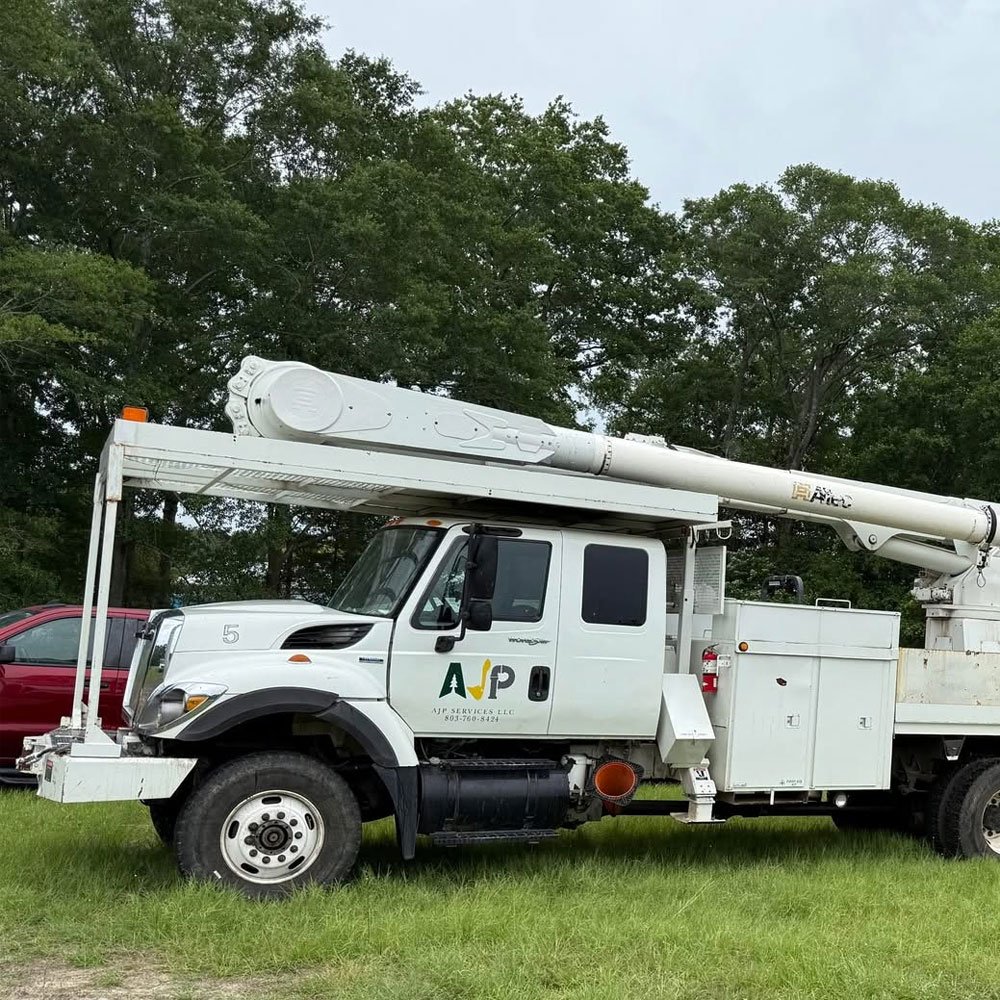
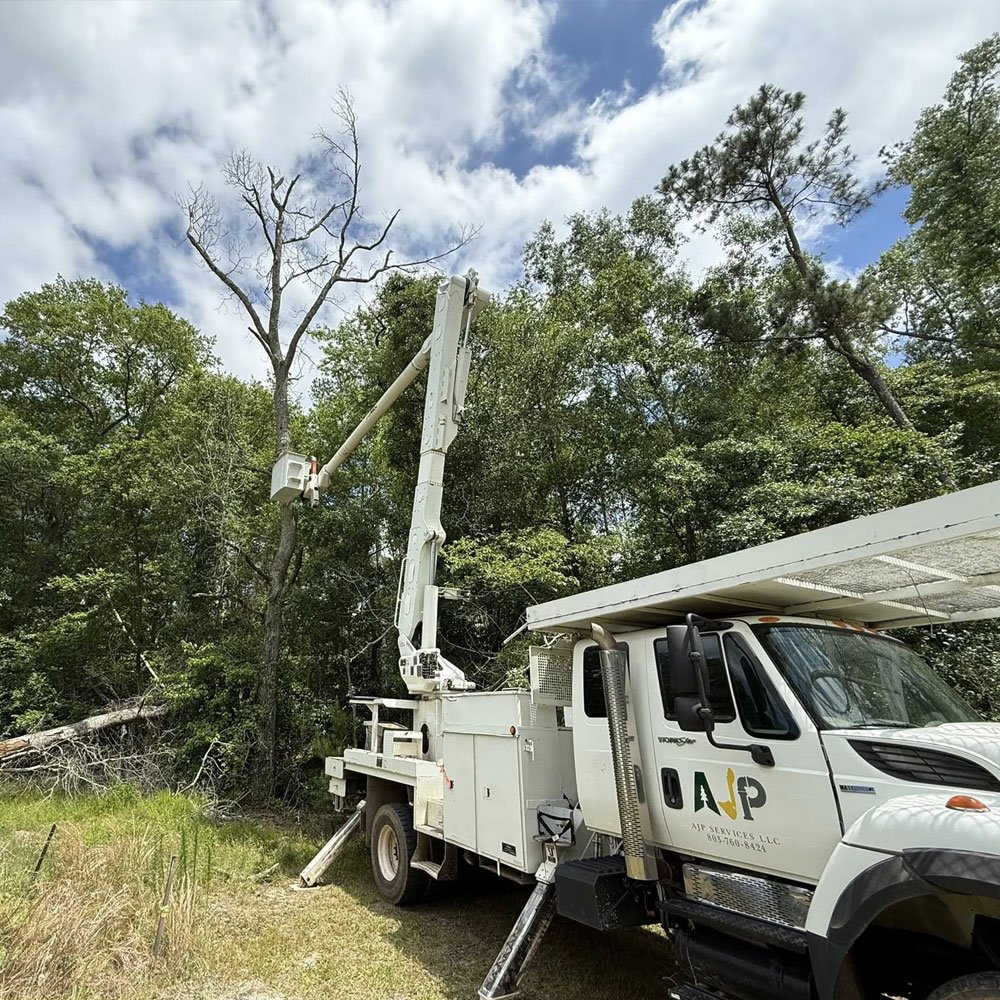
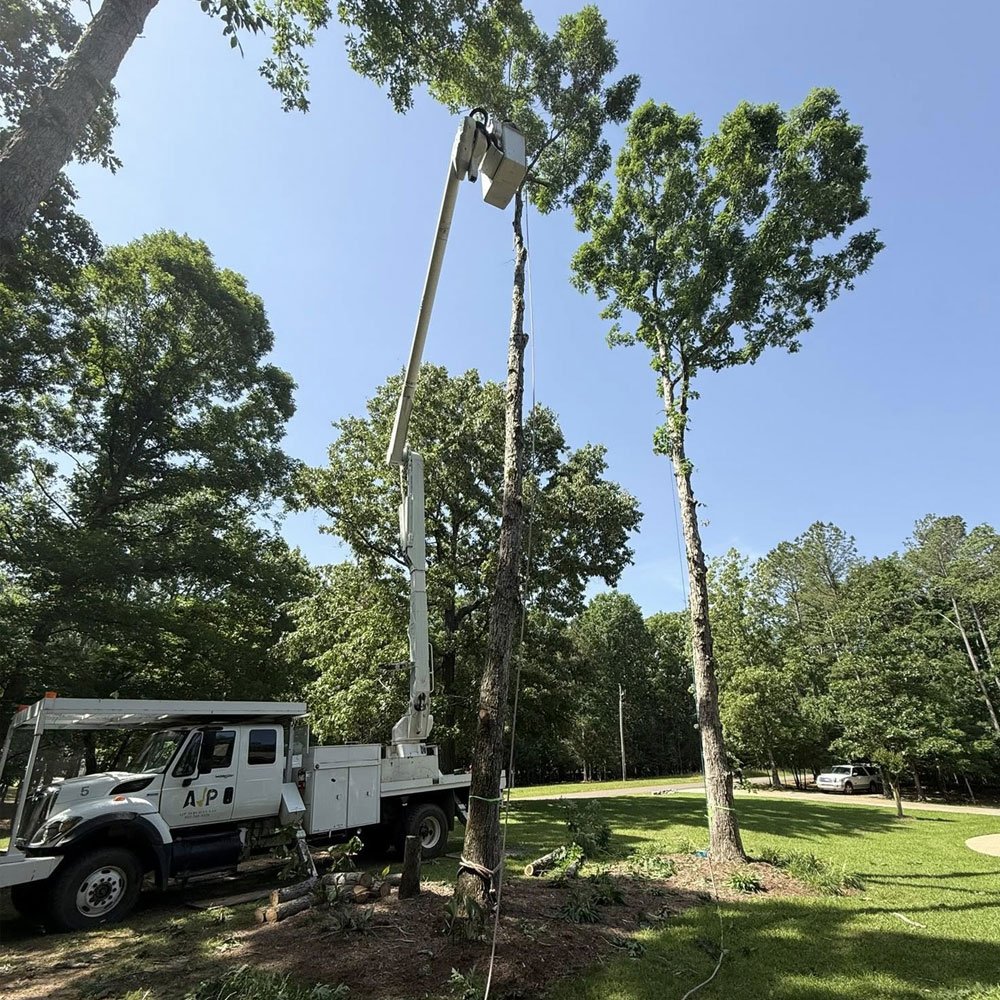
For example, severe storms may cause trees to fall on homes, driveways, or utility lines. Removing fallen trees safely requires specialized equipment and expertise. Professional tree removal services can assess the damage, remove hazardous trees, and provide documentation that may support the insurance claim.
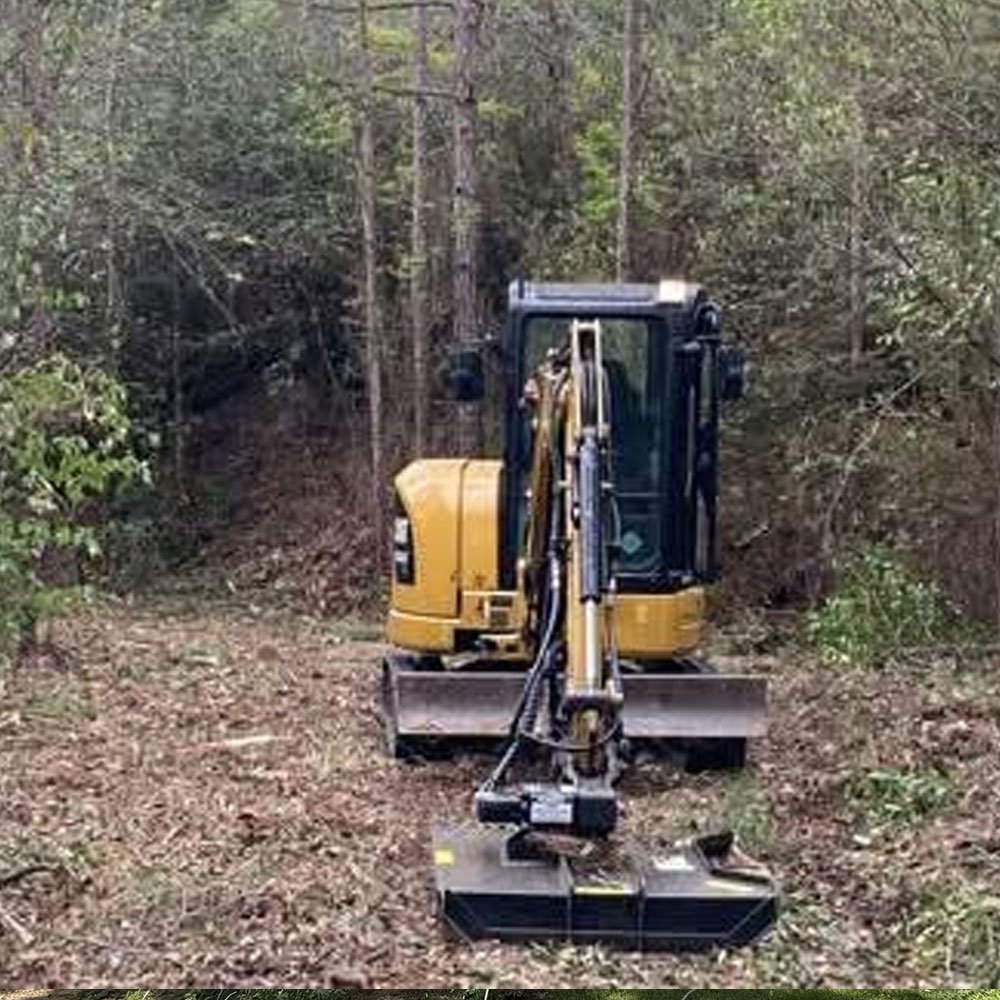
Similarly, excavation or property restoration services may be needed when damage affects drainage systems, foundations, or landscaping. These services help restore the property while ensuring repairs are completed safely.
Working with experienced professionals can help property owners manage damage efficiently and provide the documentation needed during the claims process.
Final Thoughts
Insurance claims play a vital role in helping homeowners and property owners recover from unexpected damage. Whether caused by storms, accidents, or other events, property damage can create financial stress and disrupt daily life.
Understanding how the insurance claims process works makes it easier to navigate the situation and ensure the claim moves forward smoothly. Reporting damage quickly, documenting everything carefully, and maintaining clear communication with the insurance provider are essential steps in the process.
Although insurance claims may seem complicated at first, they exist to protect property owners and provide support during difficult situations. With the right approach and preparation, homeowners can handle claims confidently and focus on restoring their property and moving forward.