Land clearing is one of the most important steps in preparing a property for development. Whether the goal is to build a home, construct a commercial facility, expand farmland, or improve the usability of land, clearing the site properly sets the foundation for a successful project. Removing trees, brush, debris, and obstacles allows developers and property owners to create a clean and workable surface for construction, landscaping, and infrastructure installation.
Many people assume land clearing simply involves cutting down trees and removing vegetation. In reality, the process is much more detailed and requires planning, specialized equipment, and careful execution. Professional land clearing ensures the work is completed safely, efficiently, and in compliance with local regulations. It also helps preserve the surrounding environment while preparing the land for future use.
This guide explains what land clearing for development involves, why it is necessary, and the steps that make the process successful.
What Is Land Clearing for Development?
Land clearing refers to the process of removing trees, shrubs, stumps, rocks, and other obstacles from a property to prepare it for construction or other improvements. The goal is to transform an undeveloped or overgrown piece of land into a usable space.
For development projects, land clearing typically includes several steps such as tree removal, brush cutting, stump grinding, debris removal, and grading. Each step contributes to creating a stable and accessible site where building, landscaping, or infrastructure work can begin.
In many cases, land clearing is the first phase of a larger construction or property improvement project. Without proper clearing, construction equipment cannot operate efficiently, and structures may not have a stable foundation.
Why Land Clearing Is Important for Development
Before any building project begins, the land must be prepared to support construction activities. Land clearing provides several essential benefits that make development possible.
First, clearing removes trees, stumps, and vegetation that could interfere with construction equipment and building layouts. Overgrown properties often contain dense brush and uneven terrain that make development difficult.
Second, land clearing improves safety on the property. Dead trees, unstable roots, and debris piles can pose hazards to workers and future occupants. Removing these obstacles reduces the risk of accidents and property damage.
Third, clearing allows contractors to evaluate the land properly. Once vegetation and debris are removed, surveyors and engineers can assess soil conditions, drainage patterns, and elevation changes more accurately.
Finally, land clearing improves the overall usability of the property. Even if a property owner is not planning immediate construction, clearing the land can increase accessibility and make it easier to manage and maintain.
Common Types of Land Clearing Projects
Land clearing services are used for a wide range of development projects. Each type of project may require different techniques and equipment depending on the size and condition of the property.
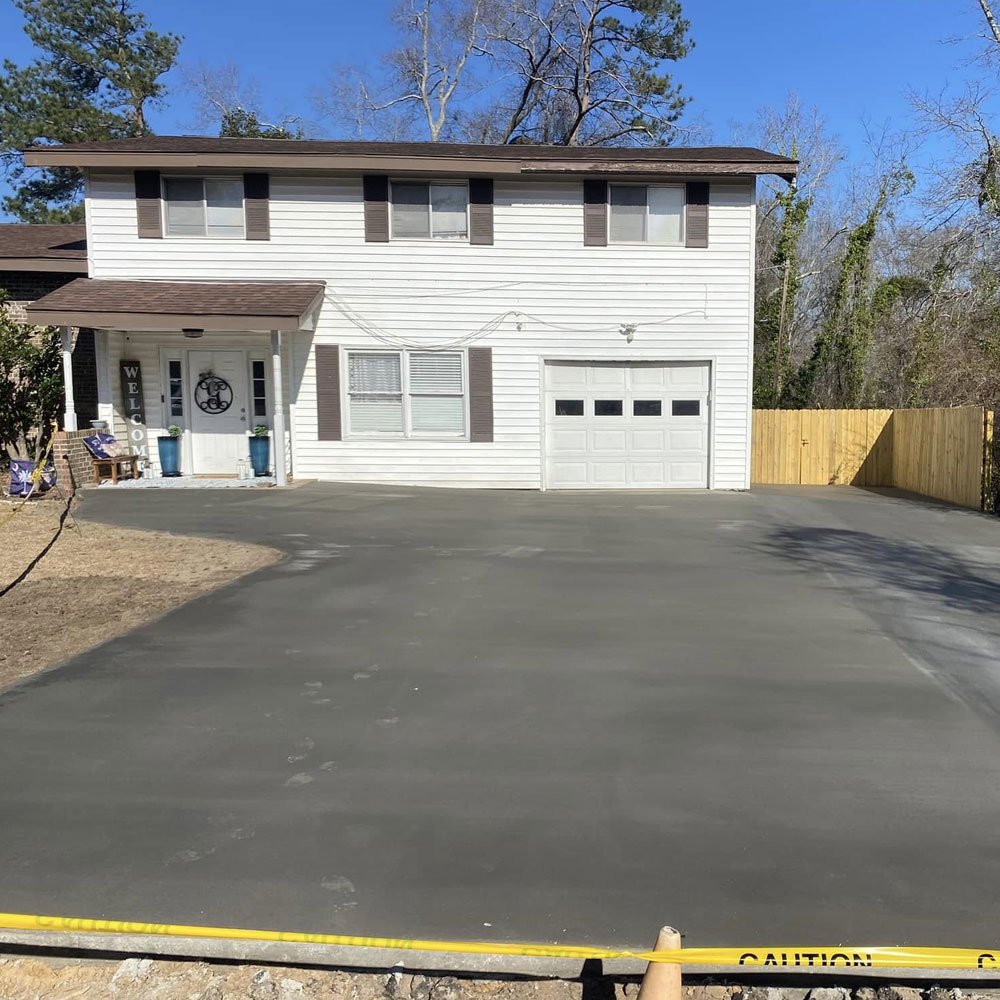
Residential development is one of the most common reasons for land clearing. Property owners often clear land to build homes, garages, driveways, and landscaping features. Removing trees and brush creates space for construction and ensures the site is safe and stable.
Commercial development projects also require extensive land clearing. Businesses may need to prepare land for offices, warehouses, retail centers, or parking lots. These projects often involve large areas and require heavy equipment to remove vegetation and level the ground.
Agricultural land clearing is another important application. Farmers frequently clear land to create fields, expand grazing areas, or improve access to irrigation systems.
Property improvement projects may also require clearing. Landowners sometimes remove overgrown vegetation to improve the appearance of their property, increase accessibility, or reduce wildfire risks.
The Land Clearing Process
Although every project is different, most land clearing jobs follow a similar step-by-step process. Careful planning and execution ensure the work is completed efficiently and safely.
The first step is evaluating the property. Professionals inspect the land to determine the size of the project, the type of vegetation present, and any obstacles that may require special attention. They also identify areas that should be preserved or protected.
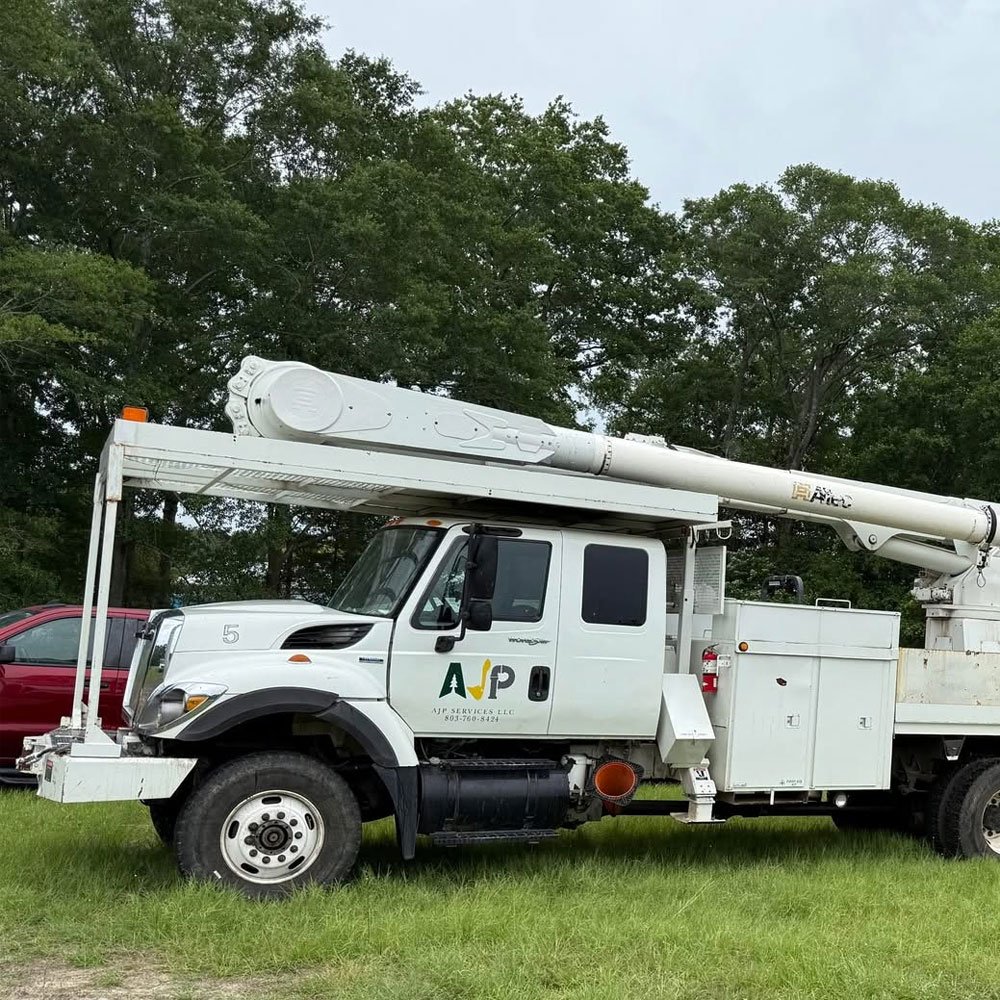
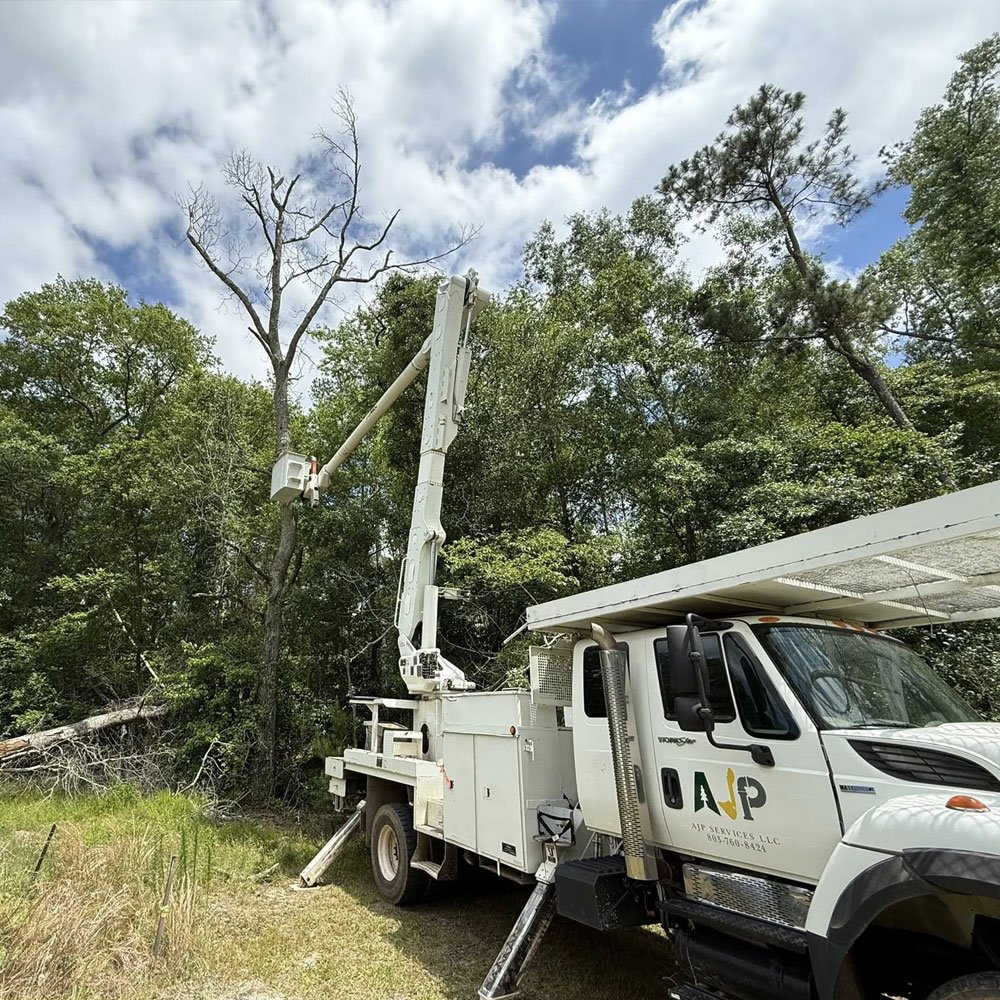
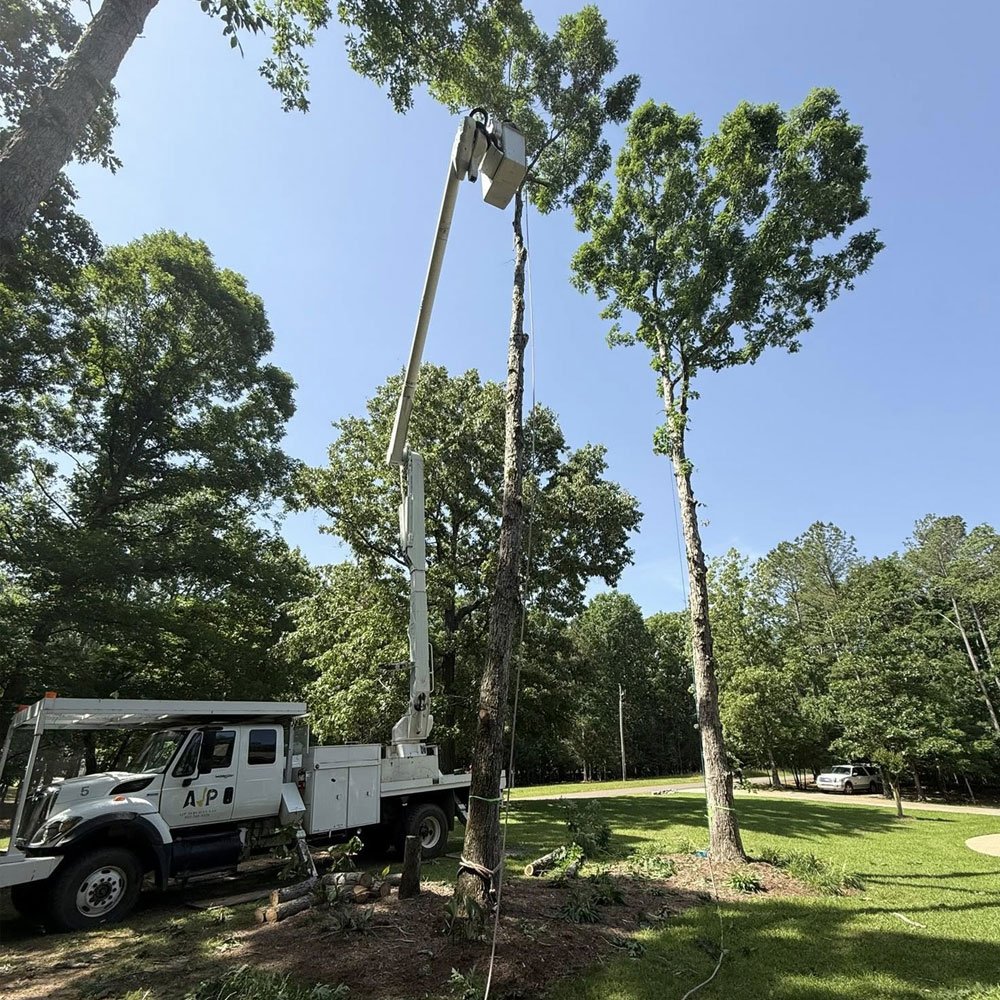
Next comes the removal of trees and large vegetation. Tree removal is often necessary to open up the space and create access for equipment. Depending on the size of the trees and the layout of the property, specialized equipment may be used to safely cut and remove them.
After tree removal, brush cutting and undergrowth clearing are performed. Thick vegetation, vines, and shrubs are removed to create a clean and manageable surface.
Stump grinding or stump removal is another important step. Tree stumps left in the ground can interfere with construction and landscaping, so they are typically removed or ground down below the surface.
The next phase involves debris removal. Branches, logs, and vegetation are collected and removed from the site. In some cases, materials may be recycled, mulched, or repurposed.
Finally, the land may be graded or leveled. Grading improves drainage, creates a stable surface, and prepares the property for building foundations or other structures.
Equipment Used in Land Clearing
Land clearing requires specialized equipment designed to handle heavy vegetation and difficult terrain. Using the right tools ensures the project is completed efficiently while minimizing damage to the surrounding environment.
Skid steers are commonly used for smaller clearing projects. These versatile machines can remove brush, move debris, and assist with grading tasks. Their compact size allows them to operate in tighter spaces where larger equipment may not fit.
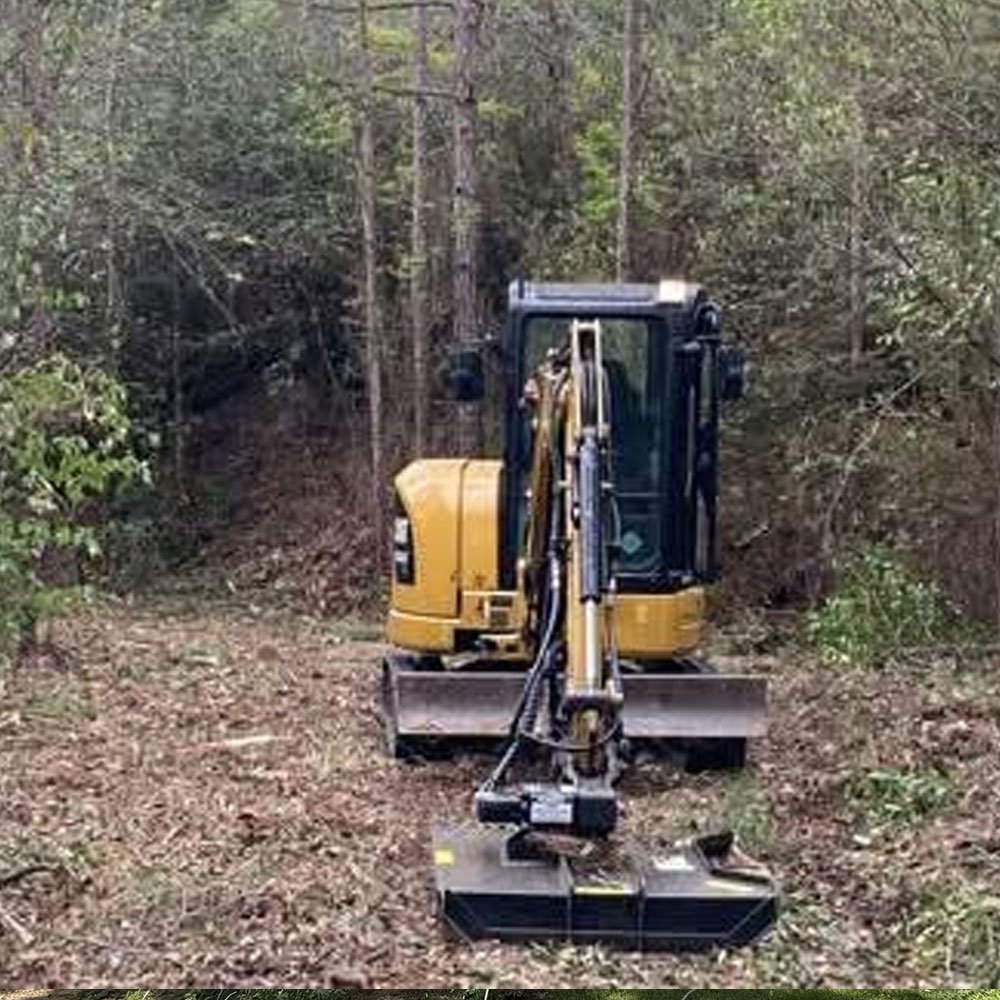
Excavators are essential for larger projects involving tree removal and stump extraction. Their powerful arms and attachments make it easier to dig, lift, and move heavy materials.
Mulching equipment is often used to break down vegetation into smaller pieces. Forestry mulchers grind brush, branches, and small trees into mulch, which can sometimes be left on the ground to improve soil quality.
Front-end loaders are used to move large piles of debris and transport materials across the job site. They are especially helpful for projects that require clearing large areas of land quickly.
Each piece of equipment plays a specific role in the land clearing process, and experienced operators know how to use them efficiently while maintaining safety.
Environmental Considerations
Responsible land clearing involves more than simply removing vegetation. It also requires careful planning to minimize environmental impact and protect surrounding ecosystems.
One important consideration is soil erosion. When vegetation is removed, the soil becomes more vulnerable to erosion caused by wind and rain. Proper grading and drainage solutions help prevent this issue and maintain the stability of the land.
Another factor is wildlife protection. Many properties provide habitats for animals and birds, so clearing projects must be planned carefully to avoid unnecessary disruption.
Recycling vegetation is another environmentally responsible practice. Instead of sending all debris to landfills, many clearing projects use mulching techniques that break down vegetation into organic material that can benefit the soil.
By following responsible clearing practices, property owners can prepare their land for development while still protecting the surrounding environment.
Challenges in Land Clearing Projects
While land clearing may appear straightforward, several challenges can arise during the process. Experienced professionals are often needed to address these issues safely and efficiently.
One common challenge is dealing with large or hazardous trees. Trees that are damaged, leaning, or located near structures require specialized removal techniques to prevent accidents.
Uneven terrain can also complicate clearing projects. Slopes, rocky ground, and dense root systems may require additional equipment or time to manage properly.
Weather conditions can also affect the process. Heavy rain or extremely dry conditions may delay clearing activities and impact soil stability.
Another challenge involves underground utilities. Water lines, electrical cables, and drainage systems must be located before clearing begins to avoid damage.
By planning carefully and using experienced operators, these challenges can be addressed without disrupting the development process.
Benefits of Professional Land Clearing Services
Although some property owners consider clearing land themselves, professional land clearing services offer significant advantages. Experts have the experience, equipment, and knowledge required to complete projects safely and efficiently.
Professional clearing teams can handle large and complex jobs that would be difficult or dangerous for individuals to attempt on their own. They also understand how to remove vegetation without causing unnecessary damage to the surrounding landscape.
Efficiency is another major benefit. With the right equipment and skilled operators, professionals can complete clearing projects much faster than manual methods.
Safety is also a critical factor. Tree removal, stump grinding, and heavy equipment operation involve risks that require proper training and experience.
Working with professionals ensures the job is done correctly and prepares the land properly for the next stage of development.
Preparing for a Land Clearing Project
Before starting a land clearing project, property owners should take several steps to ensure the process runs smoothly.
The first step is defining the goals of the project. Whether the land will be used for construction, agriculture, or landscaping, having a clear plan helps determine how much clearing is necessary.
Next, property boundaries and zoning regulations should be reviewed. Some areas have specific rules regarding tree removal, drainage management, and environmental protection.
It is also important to consider access to the property. Clearing equipment must be able to enter and move around the site safely.
Finally, obtaining a professional assessment of the land can help identify potential challenges before work begins. This planning stage ensures the clearing process supports the long-term goals of the development project.
Final Thoughts
Land clearing for development is a crucial step that prepares a property for construction, landscaping, and long-term improvements. By removing trees, brush, and debris, landowners create a clean and stable environment where development projects can move forward successfully.
The process involves careful planning, specialized equipment, and experienced operators who understand how to manage vegetation, terrain, and environmental factors. When done properly, land clearing not only prepares the site for development but also improves safety, accessibility, and overall property value.
Whether the goal is building a new home, expanding a business, or improving a piece of land, proper clearing ensures the foundation of the project is solid. With the right approach, land clearing transforms raw, overgrown property into a space ready for growth, construction, and new opportunities.