When preparing a property for construction, landscaping, farming, or safety improvements, many homeowners and property owners face the same question: should you choose land clearing or tree removal? While these services may sound similar, they serve very different purposes and involve completely different processes.
Choosing the right service can save you time, money, and unnecessary damage to your property. Whether you are planning to build a new home, improve curb appeal, create usable outdoor space, or remove hazardous trees, understanding the difference between land clearing and tree removal is essential.
In this guide, we’ll explain how each service works, when you need one over the other, the benefits of both, and how professional tree and land clearing companies help property owners complete projects safely and efficiently.
Understanding the Difference Between Land Clearing and Tree Removal
At first glance, land clearing and tree removal may seem interchangeable because both involve removing vegetation from a property. However, the scope and purpose of each service are very different.
What Is Tree Removal?
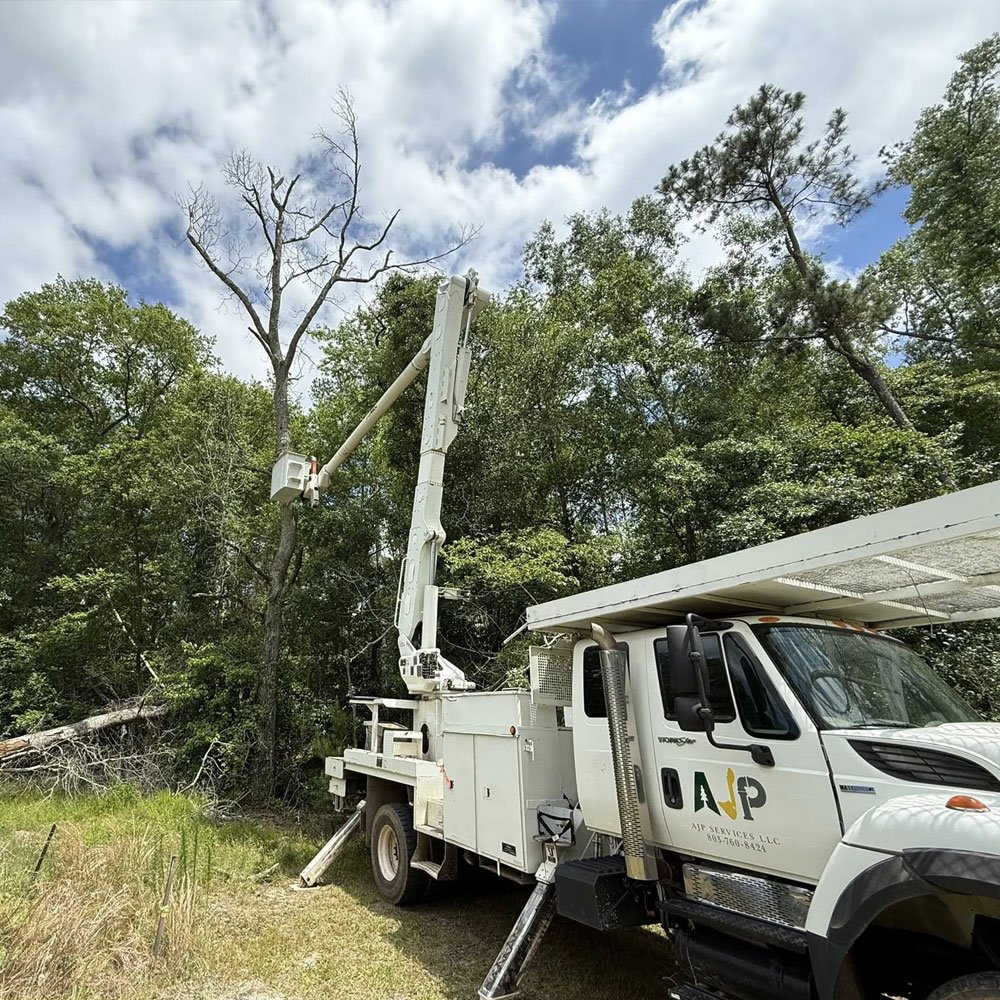
Tree removal focuses on removing one or several individual trees from a property. This service is usually performed when a tree is:
- Dead
- Diseased
- Storm-damaged
- Leaning dangerously
- Causing structural damage
- Blocking construction plans
- Threatening nearby power lines
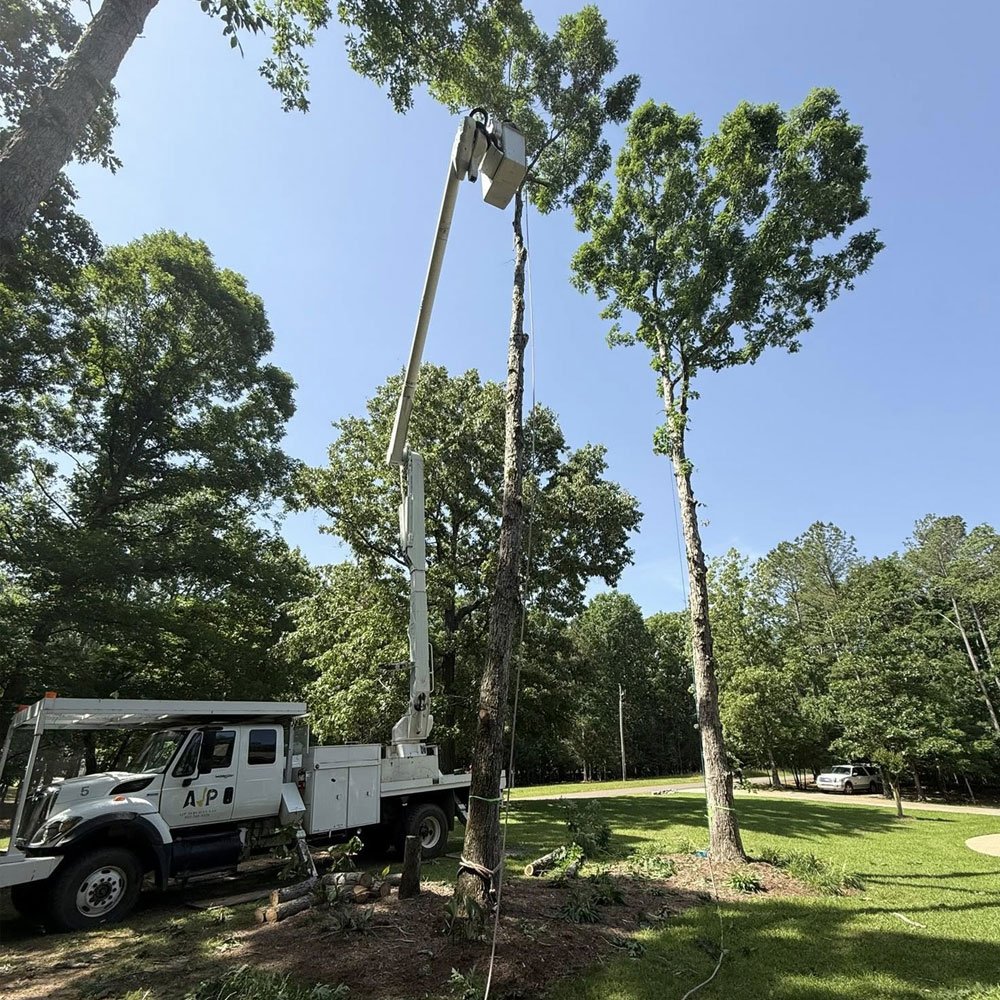
Tree removal is a targeted process designed to safely cut down and remove specific trees while preserving surrounding landscaping whenever possible.
What Is Land Clearing?
Land clearing is a much larger-scale service that removes multiple forms of vegetation across an entire area of land.
This may include:
- Trees
- Brush
- Shrubs
- Stumps
- Vines
- Rocks
- Debris
- Overgrowth
Land clearing is commonly used to prepare land for:
- New construction
- Driveways
- Commercial development
- Farming
- Landscaping projects
- Utility installation
- Property expansion
Unlike simple tree removal, land clearing transforms an entire section of property into usable space.
When Does a Property Need Tree Removal?
Tree removal is ideal when only specific trees pose a problem while the rest of the landscape remains healthy and functional.
Dead or Dying Trees
Dead trees are one of the biggest hazards on residential properties. They become unstable over time and can fall unexpectedly during storms or high winds.
Common signs of a dead tree include:
- No leaf growth
- Peeling bark
- Hollow trunk sections
- Large dead branches
- Fungal growth at the base
Removing dead trees quickly helps prevent injuries and property damage.
Storm-Damaged Trees
Strong winds, lightning, and heavy rain can severely weaken trees.
Storm-damaged trees often develop:
- Split trunks
- Hanging limbs
- Root instability
- Dangerous leaning
Emergency tree removal may be necessary to eliminate immediate hazards.
Trees Growing Too Close to Structures
Trees planted too close to homes, garages, fences, or driveways can create serious problems over time.
Roots may damage:
- Foundations
- Plumbing lines
- Sidewalks
- Retaining walls
Large branches can also scrape roofs or break during storms.
Removing problematic trees protects surrounding structures from long-term damage.
Diseased Trees
Tree diseases spread quickly if left untreated.
Some common warning signs include:
- Discolored leaves
- Premature leaf drop
- Cracks in the trunk
- Soft or rotting wood
- Insect infestations
Removing infected trees may prevent disease from spreading to nearby healthy trees.
Improving Sunlight and Landscaping
Some homeowners remove trees to improve:
- Lawn growth
- Garden sunlight
- Property aesthetics
- Outdoor living spaces
Selective tree removal can dramatically improve curb appeal and landscape functionality.
When Does a Property Need Land Clearing?
Land clearing becomes necessary when an entire section of property must be prepared for a new purpose.
Preparing for Construction
One of the most common reasons for land clearing is preparing a site for:
- New homes
- Garages
- Commercial buildings
- Additions
- Barns
Before construction begins, the area must be cleared of trees, roots, brush, and debris.
Proper land clearing creates a stable foundation for building projects.
Creating More Usable Land
Overgrown properties often contain dense vegetation that limits usable space.
Land clearing can help create room for:
- Yards
- Recreational areas
- Gardens
- Parking
- Outdoor entertainment spaces
This is especially useful for large residential properties and rural landowners.
Agricultural Use
Farmers and landowners frequently clear land for:
- Crop production
- Livestock grazing
- Fencing installation
- Equipment access
Removing overgrowth improves land productivity and accessibility.
Fire Prevention
Overgrown vegetation increases wildfire risk in many regions.
Brush clearing and vegetation management help reduce fuel sources near homes and structures.
This is especially important in dry climates and wooded areas.
Pest Control
Dense brush and unmanaged land often attract:
- Rodents
- Snakes
- Mosquitoes
- Termites
- Ticks
Land clearing reduces hiding places and improves overall property health.
Key Differences Between Land Clearing and Tree Removal
Understanding the differences between these services helps property owners make informed decisions.
| Tree Removal | Land Clearing |
|---|---|
| Removes individual trees | Removes vegetation across large areas |
| Focuses on hazardous or unwanted trees | Prepares land for development or use |
| Smaller-scale project | Large-scale transformation |
| Minimal landscape disruption | Significant property alteration |
| Often includes stump grinding | May involve grading and debris removal |
Both services require professional expertise, but the scope and equipment used are very different.
The Tree Removal Process
Professional tree removal is a carefully planned process focused on safety and precision.
Property Inspection
A tree expert evaluates:
- Tree condition
- Height and size
- Lean direction
- Nearby structures
- Power line proximity
This assessment determines the safest removal method.
Safety Preparation
Crews establish safety zones and prepare specialized equipment such as:
- Chainsaws
- Climbing gear
- Rigging systems
- Cranes
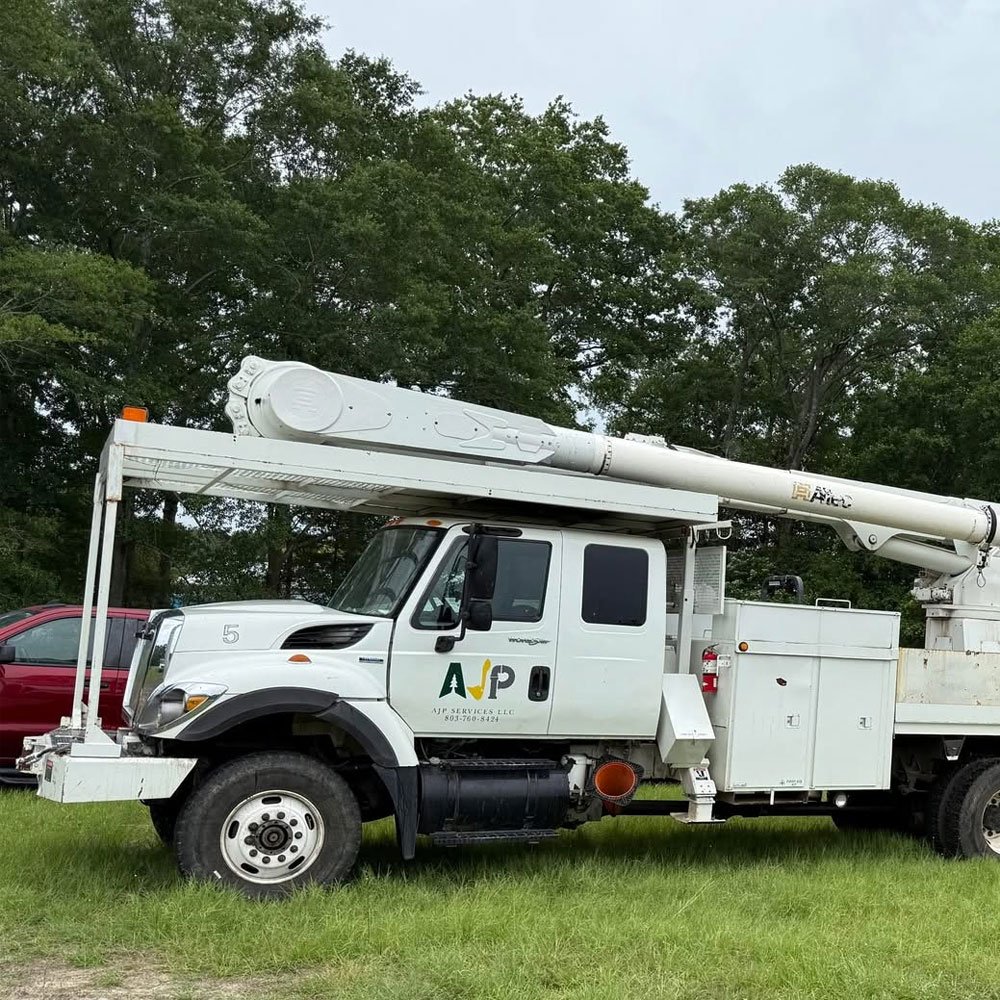
- Bucket trucks
Controlled Tree Removal
Large trees are typically removed in sections to avoid property damage.
Branches are cut strategically before the trunk is dismantled piece by piece.
Cleanup and Disposal
After removal, crews usually handle:
- Branch hauling
- Wood disposal
- Debris cleanup
- Stump grinding
Some homeowners choose to keep firewood or mulch from removed trees.
The Land Clearing Process
Land clearing is more extensive and may involve multiple stages depending on the property’s condition.
Site Evaluation
Professionals inspect:
- Vegetation density
- Tree size
- Soil conditions
- Drainage issues
- Terrain challenges
This helps determine the right clearing equipment and approach.
Vegetation Removal
Crews remove:
- Trees
- Brush
- Shrubs
- Vines
- Stumps
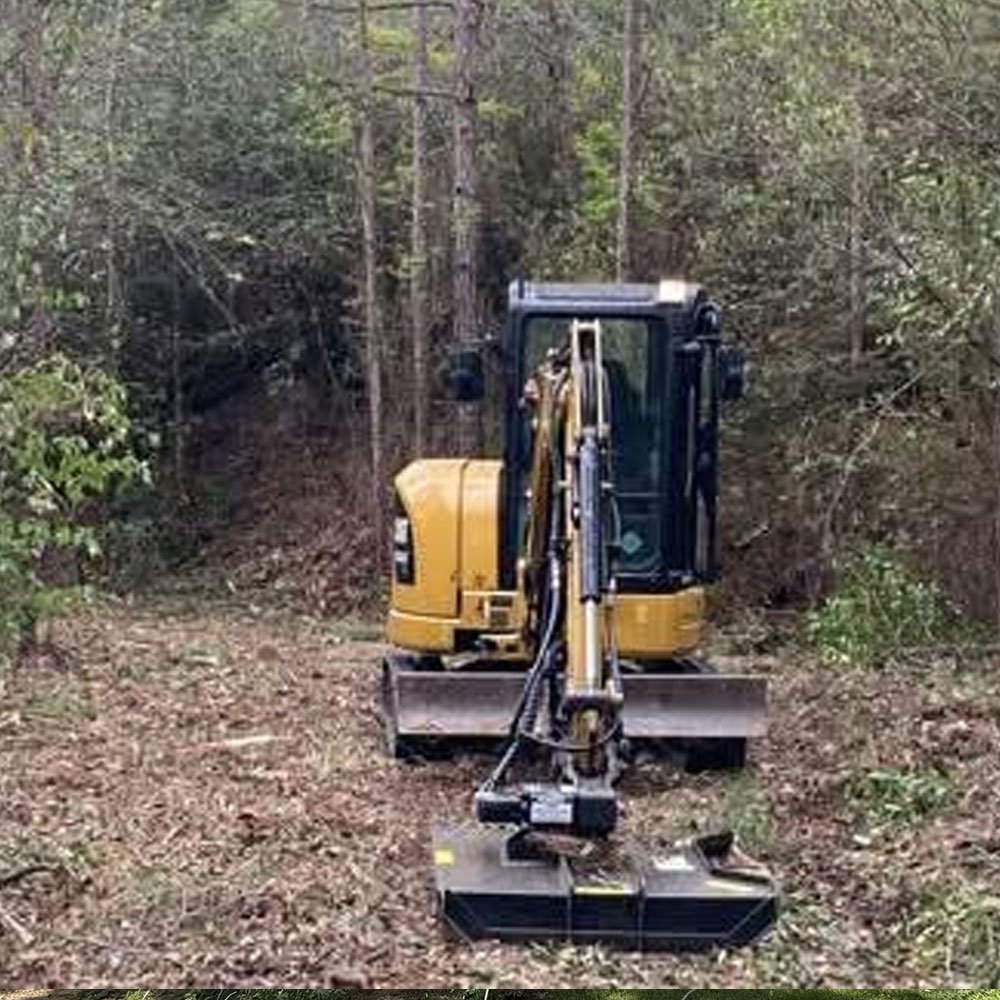
Equipment may include bulldozers, excavators, forestry mulchers, and skid steers.
Debris Management
Cleared vegetation may be:
- Hauled away
- Burned (where permitted)
- Chipped into mulch
Grading and Soil Preparation
Some projects include grading to create level surfaces for construction or landscaping.
Proper grading improves drainage and prevents erosion issues later.
Benefits of Professional Tree Removal
Hiring professionals provides several important advantages.
Improved Safety
Tree removal is extremely dangerous without proper training and equipment.
Professionals understand how to manage:
- Falling limbs
- Electrical hazards
- Heavy wood sections
- Unstable trees
Protecting Property
Improper tree removal can damage:
- Roofs
- Vehicles
- Fences
- Landscaping
Professionals use controlled removal techniques to minimize risks.
Faster Completion
Experienced crews can complete removals efficiently using commercial-grade equipment.
Proper Cleanup
Professional services leave the property clean and safe after removal.
Benefits of Professional Land Clearing
Large-scale clearing projects require specialized expertise.
Efficient Site Preparation
Professional land clearing creates a build-ready property much faster than manual clearing methods.
Better Drainage
Removing overgrowth and grading land helps prevent standing water and erosion.
Increased Property Value
Clean, usable land often becomes more attractive to buyers and developers.
Improved Accessibility
Land clearing opens access for vehicles, equipment, and future construction.
Can You Combine Land Clearing and Tree Removal?
Yes. Many projects involve both services together.
For example:
- A homeowner may remove hazardous trees while clearing land for a backyard expansion.
- A builder may clear multiple acres while preserving select mature trees.
- A property owner may remove dead trees before large-scale development begins.
Professional companies can customize services based on project goals.
How Much Do Tree Removal and Land Clearing Cost?
Costs vary significantly depending on property conditions and project size.
Factors Affecting Tree Removal Costs
- Tree height
- Tree condition
- Accessibility
- Nearby structures
- Emergency removal needs
- Stump grinding
Large hazardous trees typically cost more to remove safely.
Factors Affecting Land Clearing Costs
- Acreage size
- Vegetation density
- Terrain difficulty
- Debris disposal
- Grading requirements
- Equipment needed
Heavily wooded properties require more labor and machinery.
Why DIY Clearing Can Be Risky
Some property owners attempt DIY tree removal or clearing to save money. However, these projects can quickly become dangerous.
Common Risks Include:
- Chainsaw injuries
- Falling trees
- Equipment accidents
- Hidden underground utilities
- Soil erosion
- Property damage
Professional crews have the training and insurance necessary for safe operation.
Environmental Considerations
Responsible tree and land services should balance development with environmental protection.
Selective Clearing
Rather than removing every tree, professionals may preserve healthy trees that provide:
- Shade
- Erosion control
- Wildlife habitat
- Property value
Erosion Prevention
Improper clearing can increase runoff and soil erosion.
Professionals use grading and drainage strategies to stabilize the property.
Sustainable Debris Recycling
Many companies recycle debris into:
- Mulch
- Firewood
- Compost materials
This reduces landfill waste.
Signs You Need Land Clearing Instead of Tree Removal
You likely need land clearing if:
- The property is heavily overgrown
- Multiple trees and brush cover the land
- Construction is planned
- Large areas are unusable
- Thick vegetation blocks access
- Drainage problems exist
Tree removal alone may not fully address these issues.
Signs You Only Need Tree Removal
Tree removal may be enough if:
- Only one or several trees are problematic
- The rest of the property is landscaped
- You want minimal disruption
- Trees are diseased or hazardous
- Construction is not planned for the entire area
This option preserves more of the existing landscape.
Questions to Ask Before Hiring a Land or Tree Service Company
Choosing the right contractor is essential for safe and successful results.
Are You Licensed and Insured?
Always verify insurance coverage before work begins.
What Equipment Will Be Used?
Different projects require different machinery.
Is Cleanup Included?
Clarify whether debris hauling and stump removal are part of the estimate.
Do You Handle Permits?
Some areas require permits for large-scale clearing or tree removal.
Can You Preserve Certain Trees?
If you want to keep healthy trees, discuss selective clearing options.
Why Local Expertise Matters
Local professionals understand regional conditions that affect tree and land projects.
In areas like South Carolina, contractors must account for:
- Heavy storms
- Sandy soils
- Humidity
- Drainage concerns
- Native tree species
Experienced local companies know how to manage these conditions safely and efficiently.
How Proper Land Preparation Saves Money Long-Term
Cutting corners during land preparation often creates future problems.
Proper clearing and grading help prevent:
- Foundation settling
- Drainage issues
- Flooding
- Erosion
- Pest infestations
Investing in professional services upfront often reduces costly repairs later.
Preparing for Your Project
Before scheduling tree removal or land clearing:
Define Your Goals
Decide whether you need:
- More usable space
- Hazard removal
- Construction preparation
- Better landscaping
Mark Areas to Preserve
Identify trees or features you want protected.
Understand Local Regulations
Some municipalities regulate tree removal and land disturbance.
Request Multiple Estimates
Comparing estimates helps homeowners understand pricing and service differences.
Final Thoughts
Land clearing and tree removal may seem similar, but they serve very different purposes. Tree removal focuses on eliminating individual hazardous or unwanted trees, while land clearing transforms larger sections of property for construction, landscaping, agriculture, or development.
Choosing the right service depends on your property goals, vegetation conditions, and long-term plans. In some cases, selective tree removal is all you need. In others, full-scale land clearing is necessary to create safe, usable land.
Professional contractors provide the expertise, equipment, and safety measures required for both services. From hazardous tree removal to complete site preparation, experienced crews can help property owners complete projects efficiently while protecting surrounding structures and landscapes.
Whether you are preparing for a new build, reclaiming overgrown property, or removing dangerous trees after a storm, investing in professional land and tree services ensures your property is safer, cleaner, and ready for the future.