South Carolina homeowners are no strangers to severe weather. Every year, hurricane season brings strong winds, heavy rain, saturated soil, and dangerous storms that can cause major property damage. While many homeowners prepare by securing windows, checking roofs, and stocking emergency supplies, one important area is often overlooked: tree maintenance.
Trees add beauty, shade, and value to a property, but neglected trees can quickly become dangerous during hurricanes and severe storms. Weak limbs, overgrown canopies, dead branches, and poor tree structure increase the risk of falling trees and costly damage.
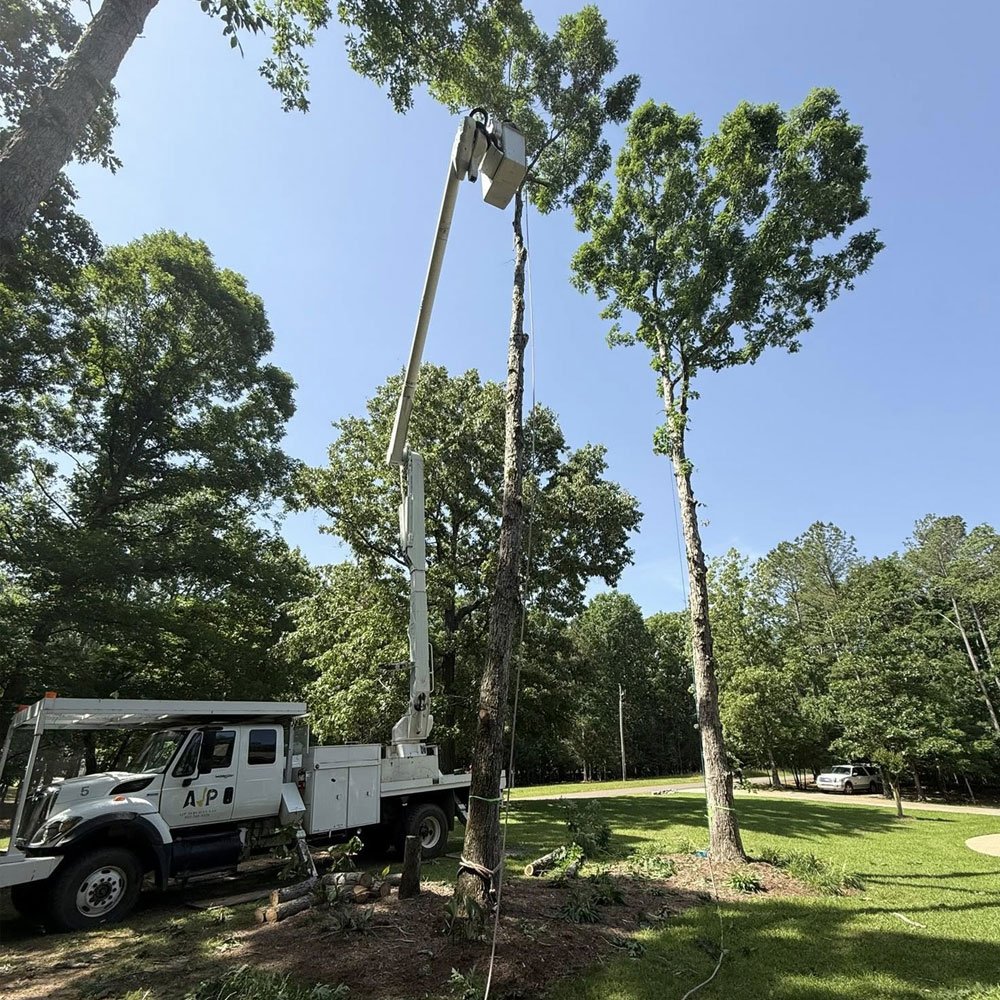
One of the most effective ways to reduce storm-related tree damage is through regular tree pruning. Proper pruning strengthens trees, improves stability, reduces wind resistance, and removes hazardous branches before storms arrive.
This guide explains why regular tree pruning is essential before hurricane season in South Carolina and how proactive maintenance can protect both your property and your safety.
Understanding Hurricane Season in South Carolina
Hurricane season officially runs from June through November, with peak storm activity often occurring between August and October.
South Carolina storms commonly bring:
- High winds
- Heavy rainfall
- Flooding
- Lightning
- Saturated soil conditions
- Tornado threats
These conditions place extreme stress on trees, especially those that are poorly maintained or structurally weak.
Even healthy trees can experience damage during hurricanes, but neglected trees are significantly more likely to:
- Lose large branches
- Split apart
- Uproot completely
- Fall onto structures or vehicles
Why Trees Become Dangerous During Storms
Trees naturally sway and flex during wind events. However, structural weaknesses make them more vulnerable under hurricane-force conditions.
Common causes of storm-related tree failures:
- Dead or diseased branches
- Dense overcrowded canopies
- Weak branch attachments
- Unbalanced growth
- Internal decay
- Root instability
- Overgrown limbs near structures
Without regular pruning, these issues often worsen over time.
What Is Preventive Tree Pruning?
Preventive tree pruning involves strategically removing branches to improve tree health, structure, and storm resistance before severe weather occurs.
The goal is not to remove large portions of the tree but to:
- Reduce hazards
- Improve airflow
- Strengthen branch structure
- Minimize wind resistance
- Remove weak or damaged limbs
Proper pruning helps trees better withstand strong winds and heavy rain.
1. Removing Dead Branches Reduces Falling Limb Hazards
Dead branches are one of the biggest storm dangers.
During hurricanes, dead limbs become highly unstable and can break off easily under wind pressure.
Falling branches can damage:
- Roofs
- Windows
- Vehicles
- Fences
- Outdoor equipment
- Power lines
Large falling limbs can also cause serious injuries to people nearby.
Routine pruning removes these hazards before storms arrive.
2. Pruning Reduces Wind Resistance
Trees with dense overgrown canopies catch more wind during storms.
Excessive canopy density can:
- Increase wind pressure
- Cause branches to snap
- Uproot entire trees
- Create uneven weight distribution
Professional pruning improves airflow through the canopy, allowing wind to pass more freely.
This reduces strain on:
- Major limbs
- Branch unions
- Root systems
- Tree trunks
Reducing wind resistance is one of the most important storm-prevention benefits of pruning.
3. Structural Pruning Strengthens Tree Stability
Structural pruning focuses on developing strong branch architecture.
Weak structural issues include:
- Co-dominant stems
- Narrow branch angles
- Crossing limbs
- Heavy uneven growth
These weaknesses become dangerous during hurricanes because they create stress points where splitting can occur.
Professional structural pruning encourages:
- Balanced growth
- Strong branch attachment
- Better weight distribution
- Increased long-term stability
Trees with strong structure are far more likely to survive severe weather.
4. Pruning Helps Prevent Tree Splitting
Heavy storm winds often expose hidden structural weaknesses.
Trees may split due to:
- Overextended branches
- Multiple competing trunks
- Excessive canopy weight
- Weak branch unions
Large tree splits can:
- Destroy roofs
- Block driveways
- Damage nearby structures
- Require complete tree removal
Preventive pruning reduces excess weight and lowers the chance of catastrophic splitting during storms.
5. Early Detection of Disease and Decay
Regular pruning appointments also allow professionals to inspect tree health.
Arborists can identify:
- Internal decay
- Fungal infections
- Hollow trunks
- Insect infestations
- Root problems
Diseased or decaying trees are far more likely to fail during hurricanes.
Early identification allows homeowners to:
- Treat problems
- Remove hazardous limbs
- Schedule tree removal if necessary
Ignoring diseased trees before hurricane season can create major safety risks.
6. Proper Pruning Protects Roofs and Structures
Overhanging limbs can become extremely dangerous during high winds.
Branches growing near:
- Roofs
- Gutters
- Windows
- Garages
- Siding
…can break and cause extensive damage during storms.
Potential storm damage includes:
- Roof punctures
- Broken windows
- Structural damage
- Water intrusion
- Gutter destruction
Routine pruning creates safe clearance between trees and structures.
7. Preventing Power Line Interference
Trees growing near utility lines create serious storm hazards.
Strong winds can cause branches to:
- Snap onto power lines
- Trigger outages
- Create fire hazards
- Cause electrical accidents
Preventive trimming near utility areas helps reduce:
- Neighborhood outages
- Emergency utility repairs
- Safety hazards
However, pruning near power lines should always be handled by trained professionals.
8. Reducing the Risk of Uprooted Trees
South Carolina storms often bring heavy rain that saturates the soil.
When combined with strong winds, unstable trees may uproot completely.
Risk factors for uprooting:
- Dense unbalanced canopies
- Poor root systems
- Soil erosion
- Structural weakness
Pruning reduces excessive canopy weight and wind resistance, helping stabilize trees during severe weather.
Why Timing Matters Before Hurricane Season
The best time to prepare trees for hurricane season is before storms begin forming.
Ideal pruning timeline:
- Late winter through spring
- Early summer before peak storm activity
Waiting until a storm warning is issued can be risky because:
- Tree service companies become overwhelmed
- Conditions may already be unsafe
- Emergency services become more expensive
Preventive pruning should be part of annual storm preparation planning.
Common Tree Types in South Carolina That Need Storm Preparation
Some tree species are more vulnerable to storm damage than others.
Common storm-sensitive trees include:
- Bradford Pear
- Water Oak
- Pine Trees
- Sweetgum
- Large Maple Trees
These species often develop:
- Weak branch structure
- Heavy canopies
- Fast unstable growth
Regular pruning is especially important for these trees.
Signs Your Trees Need Immediate Attention Before Storm Season
Homeowners should look for these warning signs:
- Dead hanging branches
- Cracked or split limbs
- Leaning trees
- Mushrooms near roots or trunk
- Hollow areas in trunk
- Branches touching structures
- Dense overgrown canopy
- Trees growing into power lines
These issues should be addressed before hurricane season intensifies.
Why DIY Tree Pruning Can Be Dangerous
Many homeowners attempt storm preparation pruning themselves, but tree work can be extremely hazardous.
DIY risks include:
- Falls from ladders
- Chainsaw injuries
- Improper cuts that weaken trees
- Electrocution near utility lines
- Property damage
Improper pruning may actually increase storm vulnerability instead of reducing it.
Professional arborists understand:
- Correct pruning techniques
- Structural balance
- Safe branch removal
- Species-specific growth patterns
The Financial Benefits of Preventive Tree Pruning
Storm damage repairs can be extremely expensive.
Potential costs include:
- Roof repairs
- Vehicle damage
- Fence replacement
- Emergency tree removal
- Insurance deductibles
- Water damage restoration
Preventive pruning is often far less expensive than emergency storm cleanup and repairs.
Additionally, properly maintained trees may help reduce insurance liability risks.
How Regular Maintenance Improves Tree Health Year-Round
Pruning is not only about storms—it also improves overall tree health.
Long-term benefits include:
- Stronger growth
- Better airflow
- Reduced disease risk
- Improved appearance
- Increased lifespan
- Healthier root development
Healthy trees naturally tolerate stress better during hurricanes and severe weather.
Building a Hurricane Season Tree Maintenance Plan
Homeowners should create a yearly tree care routine.
Recommended steps:
- Schedule annual tree inspections
- Remove dead or damaged limbs
- Prune overgrown canopies
- Monitor tree health regularly
- Address disease or decay early
- Maintain safe clearance near structures
- Hire professionals for large trees
Consistent maintenance greatly reduces emergency risks during storm season.
Final Thoughts
Hurricane season in South Carolina brings serious risks for homeowners, and neglected trees can quickly become dangerous liabilities during severe weather. Dead branches, dense canopies, structural weaknesses, and overgrown limbs increase the likelihood of storm-related property damage and personal injury.
Regular tree pruning is one of the most effective ways to prepare for hurricane season. Proper pruning strengthens trees, improves stability, reduces wind resistance, and removes hazardous branches before storms arrive.
Rather than waiting until a hurricane warning is issued, proactive tree maintenance helps homeowners stay prepared, protect their property, and reduce costly storm damage risks.
Healthy, properly pruned trees are not only safer during storms—they also contribute to a stronger, more beautiful landscape year-round.