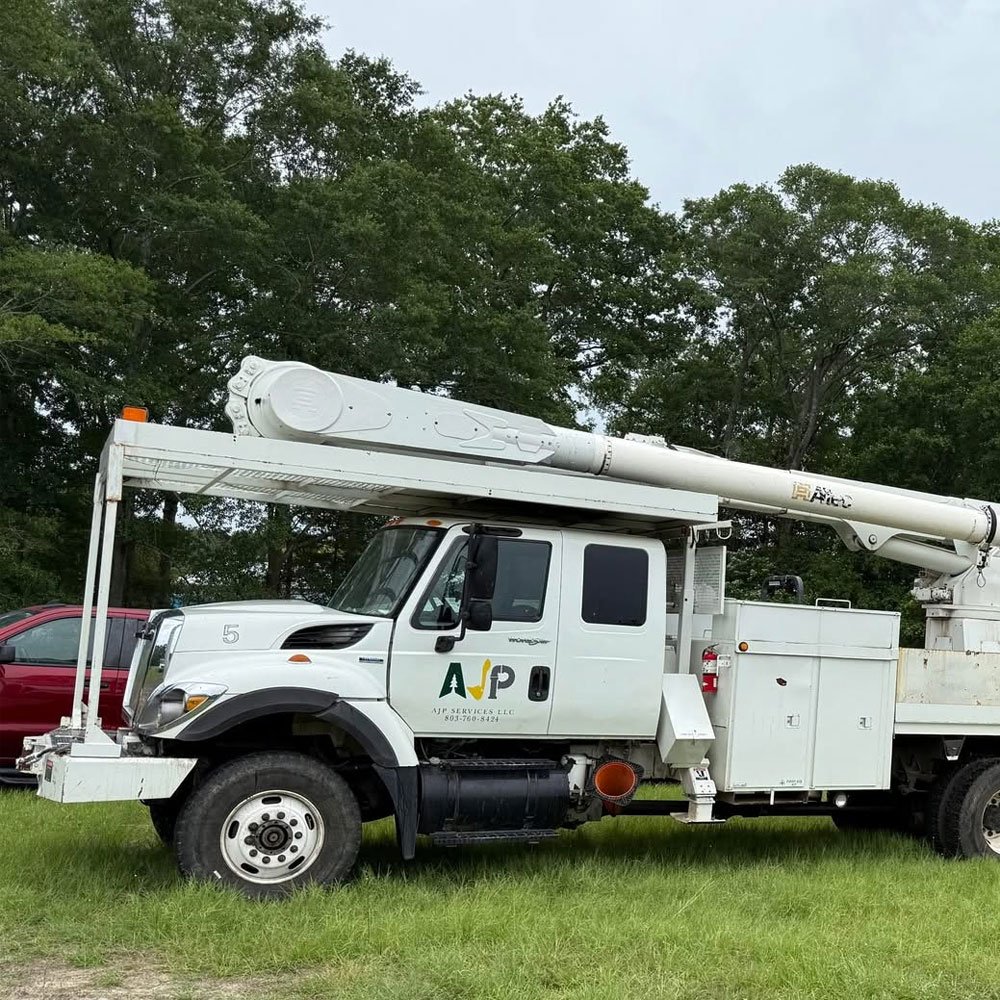
Building a new home, commercial facility, agricultural structure, or development project begins long before the foundation is poured. One of the most critical phases of any construction project is land preparation. Proper site preparation creates a stable foundation for construction, helps prevent future drainage and structural issues, ensures compliance with local regulations, and contributes to the overall success of the project.
In South Carolina, land preparation requires careful planning due to the state’s diverse terrain, varying soil conditions, abundant vegetation, and frequent rainfall. Whether you’re building in a coastal region, a suburban neighborhood, or a rural area, understanding the steps involved in preparing land for new construction can save time, reduce costs, and help avoid unexpected complications.
This guide explores every stage of land preparation and explains why professional site preparation services are essential for successful construction projects throughout South Carolina.
Why Proper Land Preparation Matters
Many property owners focus primarily on building design and construction costs while underestimating the importance of site preparation. However, the condition of the land directly affects the performance and longevity of any structure built upon it.
Proper land preparation helps:
- Create a stable building foundation
- Improve drainage and water management
- Reduce erosion risks
- Prevent future structural issues
- Ensure construction efficiency
- Improve accessibility for equipment
- Comply with local building regulations
- Protect surrounding property and natural resources
Skipping or rushing site preparation can lead to costly repairs, project delays, and safety concerns in the future.
Understanding South Carolina’s Unique Land Conditions
South Carolina offers a variety of landscapes that present different site preparation challenges.
Coastal Areas
Properties near the coast often contain:
- Sandy soils
- High water tables
- Flood-prone areas
- Environmental restrictions
Special drainage and soil stabilization measures are often necessary before construction can begin.
Piedmont Region
The Piedmont area features:
- Rolling hills
- Clay-rich soils
- Significant elevation changes
Site grading and erosion control are particularly important in these locations.
Rural and Forested Properties
Many undeveloped properties throughout South Carolina contain dense vegetation and mature trees.
Land clearing becomes a major component of the preparation process in these areas.
Understanding the specific characteristics of the property allows contractors to develop an effective preparation strategy.
Step 1: Conducting a Site Evaluation
Before any physical work begins, a thorough site evaluation is essential.
A professional assessment helps determine:
- Property boundaries
- Existing vegetation
- Soil conditions
- Drainage patterns
- Topography
- Utility access
- Environmental concerns
The information gathered during this stage guides all future preparation activities.
Property Survey
A land survey identifies:
- Exact property lines
- Easements
- Setback requirements
- Existing structures
- Utility locations
Accurate surveys help prevent legal disputes and ensure compliance with local regulations.
Soil Testing
Soil conditions significantly influence construction success.
Testing evaluates:
- Soil composition
- Bearing capacity
- Moisture retention
- Compaction characteristics
- Drainage capabilities
Certain soils may require stabilization or additional preparation before construction.
Step 2: Obtaining Necessary Permits
Construction projects typically require permits before land clearing or grading can begin.
Depending on the location and scope of the project, permits may involve:
- Land disturbance approvals
- Tree removal permits
- Erosion control permits
- Environmental permits
- Utility permits
- Building permits
Each municipality may have unique requirements.
Working with experienced site preparation professionals helps ensure all permits are obtained correctly and efficiently.
Step 3: Land Clearing and Vegetation Removal
One of the first physical stages of site preparation involves clearing the property.
What Is Land Clearing?
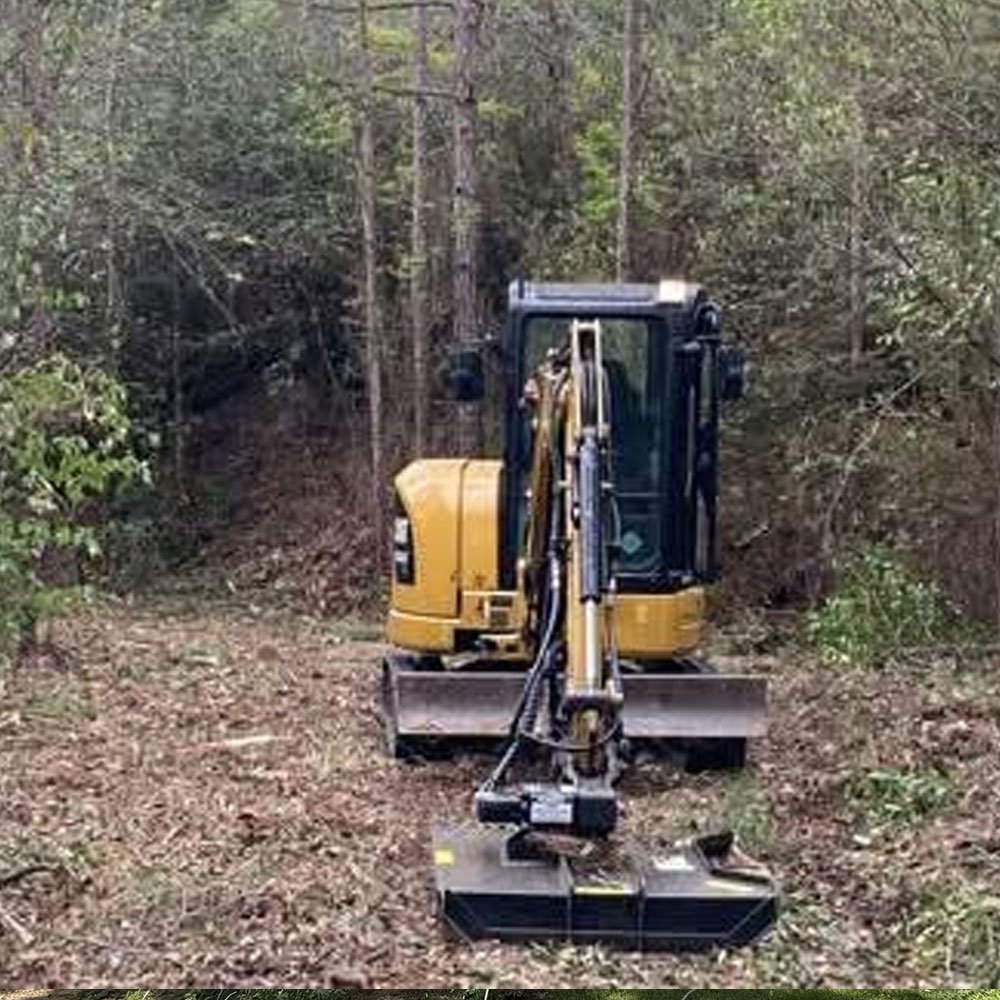
Land clearing removes obstacles that interfere with construction, including:
- Trees
- Brush
- Shrubs
- Stumps
- Overgrown vegetation
- Debris
The extent of clearing depends on project requirements.
Some projects require complete clearing, while others involve selective removal to preserve desirable trees and natural features.
Benefits of Professional Land Clearing
Professional land clearing offers several advantages:
- Faster project timelines
- Improved site accessibility
- Reduced fire hazards
- Better drainage conditions
- Enhanced safety
Proper clearing also helps identify hidden site issues that may need attention before construction begins.
Step 4: Tree Removal and Stump Grinding
Large trees often occupy future building sites.
While healthy trees can add value to a property, those located within construction zones usually require removal.
Safe Tree Removal
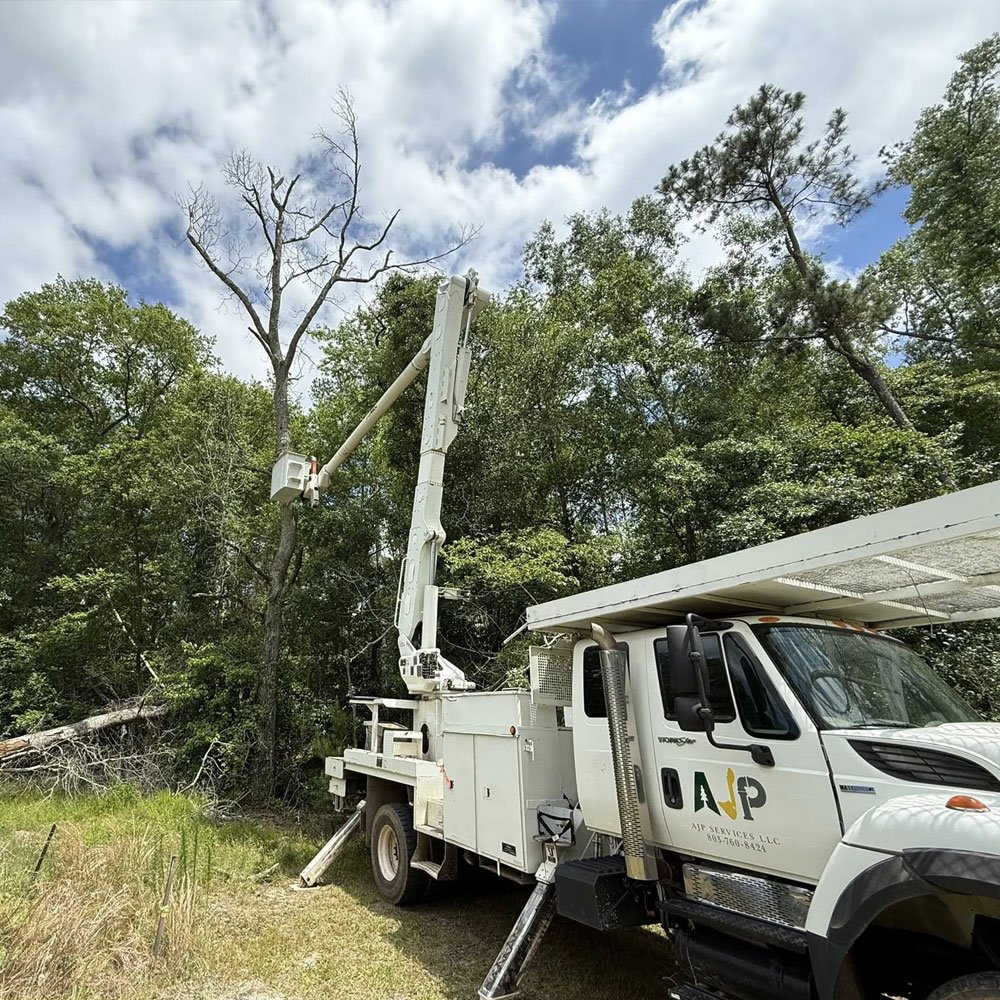
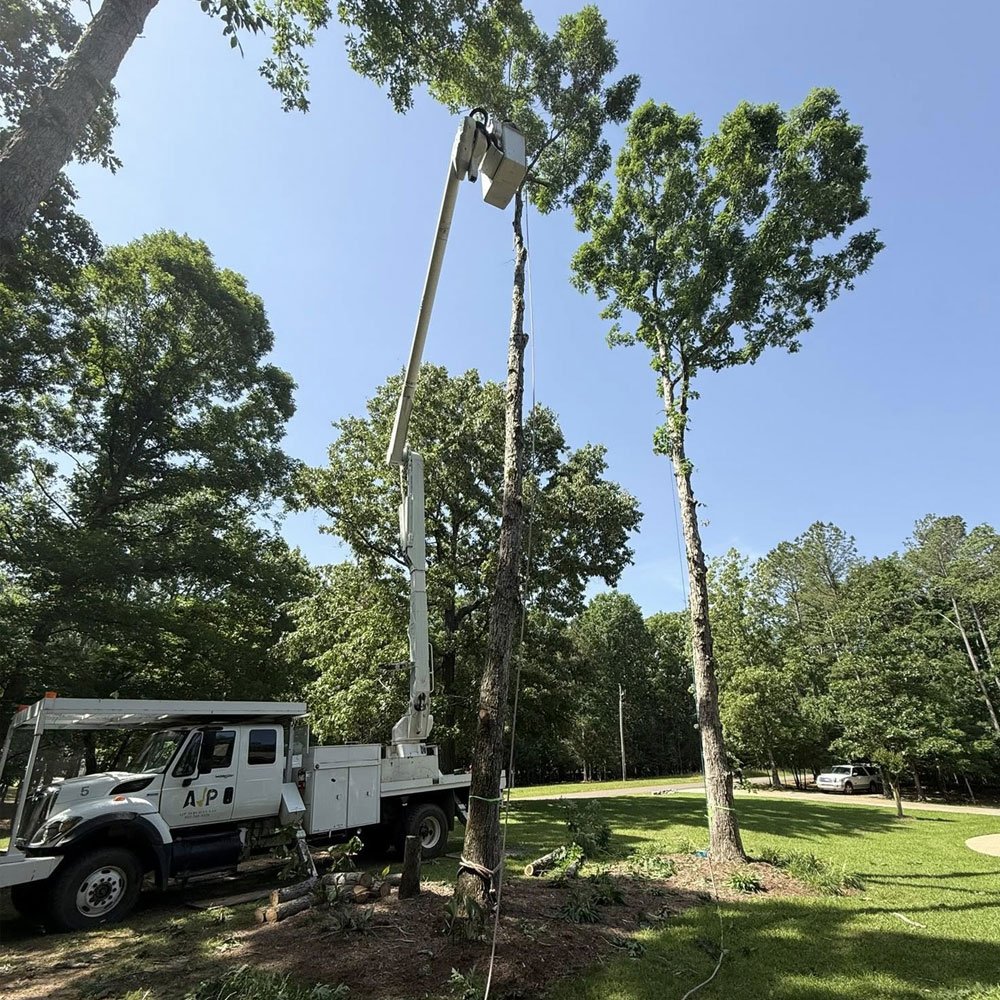
Tree removal involves more than cutting down a tree.
Professionals consider:
- Tree size
- Lean direction
- Nearby structures
- Utility lines
- Equipment access
Safe removal minimizes risks and prevents property damage.
Why Stump Removal Matters
Leaving stumps behind can create future problems such as:
- Construction obstacles
- Root decay
- Pest infestations
- Uneven ground settlement
Stump grinding removes the remaining stump below ground level, creating a smoother building surface.
Step 5: Demolition of Existing Structures
Some properties contain structures that must be removed before new construction begins.
Examples include:
- Old homes
- Barns
- Sheds
- Garages
- Foundations
Professional demolition services ensure safe removal while minimizing environmental impact and site disruption.
After demolition, debris is removed, and the site is prepared for the next phase.
Step 6: Excavation and Earthwork
Excavation plays a vital role in shaping the property for construction.
Purpose of Excavation
Excavation may be necessary for:
- Foundations
- Basements
- Utility installation
- Retaining walls
- Drainage systems
The process involves removing soil, rock, and other materials to achieve desired elevations and dimensions.
Balancing Cut and Fill
Earthmoving often involves balancing cut-and-fill operations.
- Cut areas remove excess soil.
- Fill areas add material to create level surfaces.
Proper balance reduces hauling costs and improves project efficiency.
Step 7: Site Grading
Grading is one of the most important aspects of land preparation.
What Is Site Grading?
Grading reshapes the land to establish proper elevations and slopes.
Objectives include:
- Directing water away from structures
- Creating level building pads
- Improving drainage
- Enhancing accessibility
Without proper grading, water can accumulate around foundations and cause serious damage over time.
Rough Grading
Rough grading establishes the general shape of the property.
Heavy equipment is used to:
- Move large amounts of soil
- Create building pads
- Form drainage pathways
Final Grading
Final grading provides the precise contours needed before construction begins.
This phase prepares the site for:
- Foundation work
- Landscaping
- Pavement installation
Step 8: Managing Drainage and Water Flow
South Carolina receives substantial annual rainfall, making drainage planning a critical component of site preparation.
Why Drainage Matters
Poor drainage can lead to:
- Foundation damage
- Flooding
- Soil erosion
- Structural instability
- Landscape deterioration
Proper water management protects both the new structure and surrounding property.
Common Drainage Solutions
Site preparation professionals may install:
- Swales
- Drainage ditches
- French drains
- Culverts
- Retention areas
Each solution is designed to manage stormwater effectively and reduce long-term risks.
Step 9: Erosion Control Measures
Disturbed soil becomes highly vulnerable to erosion.
South Carolina regulations often require erosion control practices during construction projects.
Common Erosion Control Methods
These may include:
- Silt fencing
- Straw wattles
- Sediment basins
- Temporary vegetation
- Erosion control blankets
These measures prevent soil loss and protect nearby waterways from sediment pollution.
Long-Term Benefits
Effective erosion control helps:
- Preserve soil quality
- Maintain site stability
- Protect the environment
- Meet regulatory requirements
Step 10: Soil Stabilization and Compaction
The stability of the soil beneath a structure directly impacts its performance.
Soil Compaction
Compaction increases soil density and load-bearing capacity.
Proper compaction helps prevent:
- Foundation settlement
- Pavement cracking
- Structural movement
Specialized equipment ensures soil reaches required density levels.
Soil Stabilization
Some properties contain weak or expansive soils.
Stabilization techniques may involve:
- Adding aggregate materials
- Lime treatment
- Cement stabilization
- Geotextile reinforcement
These methods improve soil strength and durability.
Step 11: Utility Installation Preparation
Before construction begins, utility pathways must often be established.
Utilities may include:
- Water lines
- Sewer systems
- Septic systems
- Electrical service
- Natural gas lines
- Communication infrastructure
Proper planning ensures utilities can be installed efficiently without disrupting future construction phases.
Step 12: Access Road and Driveway Construction
Construction equipment requires reliable site access.
Temporary or permanent access roads may be constructed to:
- Improve equipment movement
- Reduce soil disturbance
- Enhance project safety
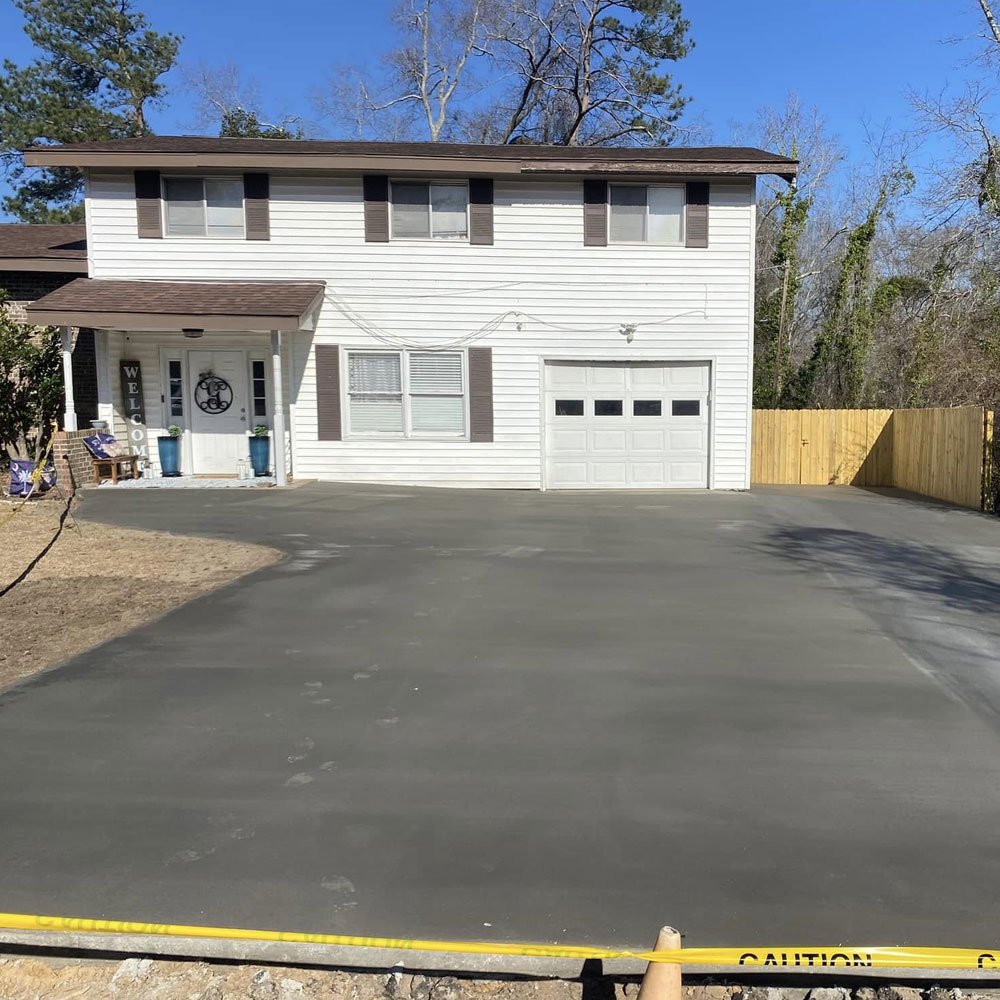
Driveway preparation often begins during site development to facilitate construction activities.
Common Challenges During Land Preparation
Every construction site presents unique challenges.
Hidden Debris
Properties may contain:
- Buried stumps
- Old foundations
- Construction waste
- Abandoned utilities
Unexpected discoveries can delay projects if not addressed promptly.
Wet Soil Conditions
Heavy rainfall can create:
- Muddy work areas
- Equipment access issues
- Delays in grading and excavation
Proper scheduling and drainage planning help mitigate these concerns.
Steep Terrain
Properties with significant slopes often require:
- Retaining walls
- Specialized grading
- Enhanced erosion control
Professional expertise becomes particularly valuable on challenging terrain.
Environmental Considerations
Responsible land preparation balances development needs with environmental protection.
Preserving Valuable Trees
Selective clearing helps maintain:
- Shade
- Wildlife habitat
- Property aesthetics
Healthy trees outside construction zones can often be preserved.
Protecting Water Resources
Construction activities should minimize impacts on:
- Streams
- Wetlands
- Groundwater systems
Proper erosion control and drainage planning play essential roles in environmental stewardship.
Why Professional Site Preparation Services Are Essential
Land preparation involves complex processes that require specialized equipment, technical expertise, and regulatory knowledge.
Professional contractors provide:
- Accurate site assessments
- Efficient project planning
- Safe equipment operation
- Regulatory compliance
- Quality workmanship
Attempting large-scale site preparation without professional assistance often leads to costly mistakes and delays.
Experienced site preparation teams understand how to anticipate challenges and develop solutions that keep projects moving forward.
Planning for Long-Term Success
Successful construction begins with thoughtful preparation.
Property owners should work closely with qualified professionals to:
- Evaluate site conditions
- Develop realistic timelines
- Establish project budgets
- Address drainage concerns
- Ensure regulatory compliance
Investing in thorough preparation creates a stronger foundation for the entire project.
Conclusion
Preparing land for new construction in South Carolina involves much more than clearing trees and leveling soil. It is a comprehensive process that includes site evaluation, permitting, land clearing, excavation, grading, drainage planning, erosion control, soil stabilization, and utility preparation. Each step plays a critical role in ensuring the safety, durability, and success of the final structure.
South Carolina’s diverse landscapes, varying soil conditions, and frequent rainfall make professional site preparation especially important. Proper planning and expert execution help prevent costly delays, protect investments, and create a solid foundation for future development.
Whether building a custom home, commercial facility, agricultural structure, or large-scale development, partnering with experienced land clearing and site preparation professionals ensures that construction begins on stable ground and remains successful for years to come.