Severe storms can leave behind more than broken branches and scattered debris. High winds, lightning, heavy rain, and saturated soil often cause trees to fall unexpectedly, creating dangerous situations for homeowners and business owners. A fallen tree can block driveways, damage roofs, crush vehicles, disrupt utilities, and pose serious safety risks to anyone nearby.
While it may be tempting to remove a fallen tree without professional assistance, doing so can be extremely hazardous. Trees under tension, hanging limbs, unstable trunks, and hidden utility lines require specialized equipment and trained operators to ensure safe removal.
Prompt cleanup not only restores access to your property but also helps prevent additional structural damage and minimizes safety hazards. Understanding the importance of professional fallen tree cleanup allows property owners to respond quickly after severe weather.
Why Fallen Trees Should Never Be Ignored
A tree that has fallen during a storm may appear stable, but hidden dangers often remain. Damaged limbs can shift unexpectedly, root systems may continue moving, and nearby branches weakened by strong winds can fall without warning.
Delaying cleanup may increase the risk of:
- Property damage
- Personal injury
- Pest infestations
- Water intrusion
- Fire hazards
- Insurance complications
Quick action helps reduce repair costs while restoring safety around your home or business.
Common Reasons Trees Fall During Storms
Several environmental conditions contribute to tree failure.
High Winds
Strong wind gusts place tremendous pressure on trunks and branches. Older trees or those with weakened root systems are especially vulnerable during severe storms.
Heavy Rain
Saturated soil reduces root stability. Even healthy trees may topple when the ground becomes overly wet.
Lightning Strikes
Lightning can split trunks, weaken branches, and create internal damage that is not immediately visible.
Disease and Decay
Trees affected by rot, insect infestations, or fungal diseases are more likely to fail during extreme weather.
Poor Maintenance
Overgrown branches, dead limbs, and neglected trees have a greater chance of breaking during storms.
Signs That You Need Emergency Tree Cleanup
Not every storm leaves obvious damage, but certain warning signs indicate immediate professional attention is needed.
Look for:
- Trees leaning toward your home
- Large broken limbs hanging overhead
- Trees blocking driveways or roads
- Branches resting on roofs
- Cracked or split trunks
- Exposed root systems
- Trees touching power lines
- Fallen trees across fences
- Storm debris covering walkways
- Damaged landscaping
These situations should be addressed as quickly as possible to prevent further hazards.
Risks of Delaying Fallen Tree Removal
Waiting too long to remove storm-damaged trees can create additional problems beyond the initial damage.
Structural Damage
Heavy tree trunks and large branches place significant weight on buildings.
Prolonged pressure can worsen:
- Roof damage
- Broken gutters
- Cracked walls
- Damaged siding
- Structural framing
Pest Problems
Fallen wood attracts insects such as:
- Termites
- Carpenter ants
- Beetles
Rodents and other wildlife may also use debris piles as shelter.
Mold and Moisture
Storm-damaged roofs exposed beneath fallen trees allow rainwater to enter the structure.
Excess moisture increases the risk of:
- Mold growth
- Wood rot
- Ceiling damage
- Insulation deterioration
Safety Hazards
Unstable trees continue shifting after storms.
Attempting to climb, cut, or move heavy trunks without proper equipment can lead to serious injuries.
The Fallen Tree Cleanup Process
Professional cleanup involves much more than cutting and hauling away wood.
Property Inspection
The process begins with a detailed assessment of:
- Tree condition
- Structural damage
- Utility hazards
- Access routes
- Safety risks
This helps determine the safest removal strategy.
Hazard Identification
Professionals inspect for:
- Downed power lines
- Hanging limbs
- Unstable trunks
- Underground utility concerns
- Nearby structures
Safety remains the highest priority throughout the project.
Controlled Tree Removal
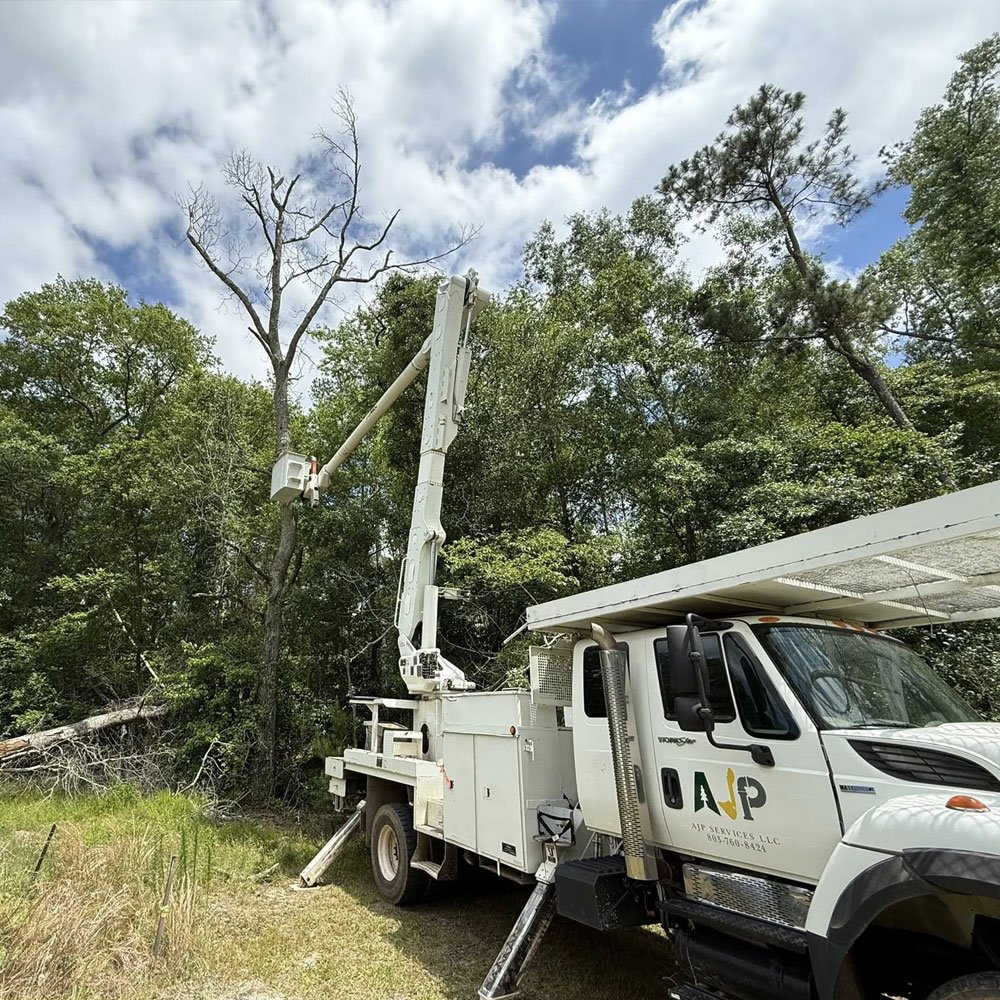
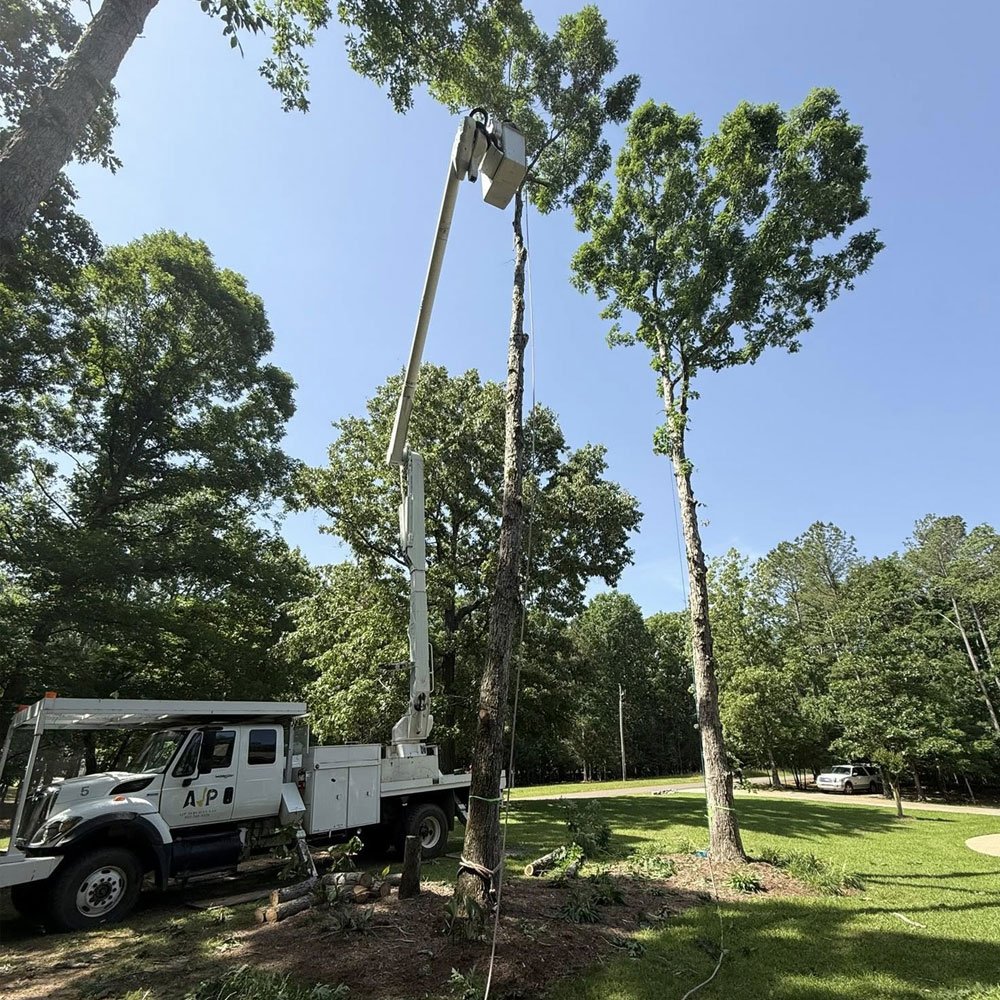
Using specialized equipment, technicians carefully dismantle the tree in manageable sections.
This minimizes additional damage to nearby structures and landscaping.
Debris Removal
After the tree has been removed, crews clear:
- Branches
- Limbs
- Logs
- Leaves
- Wood chips
- Storm debris
The property is left clean and accessible.
Final Site Cleanup
A thorough inspection ensures debris has been removed and potential hazards have been eliminated before the project is completed.
Equipment Used for Safe Tree Cleanup
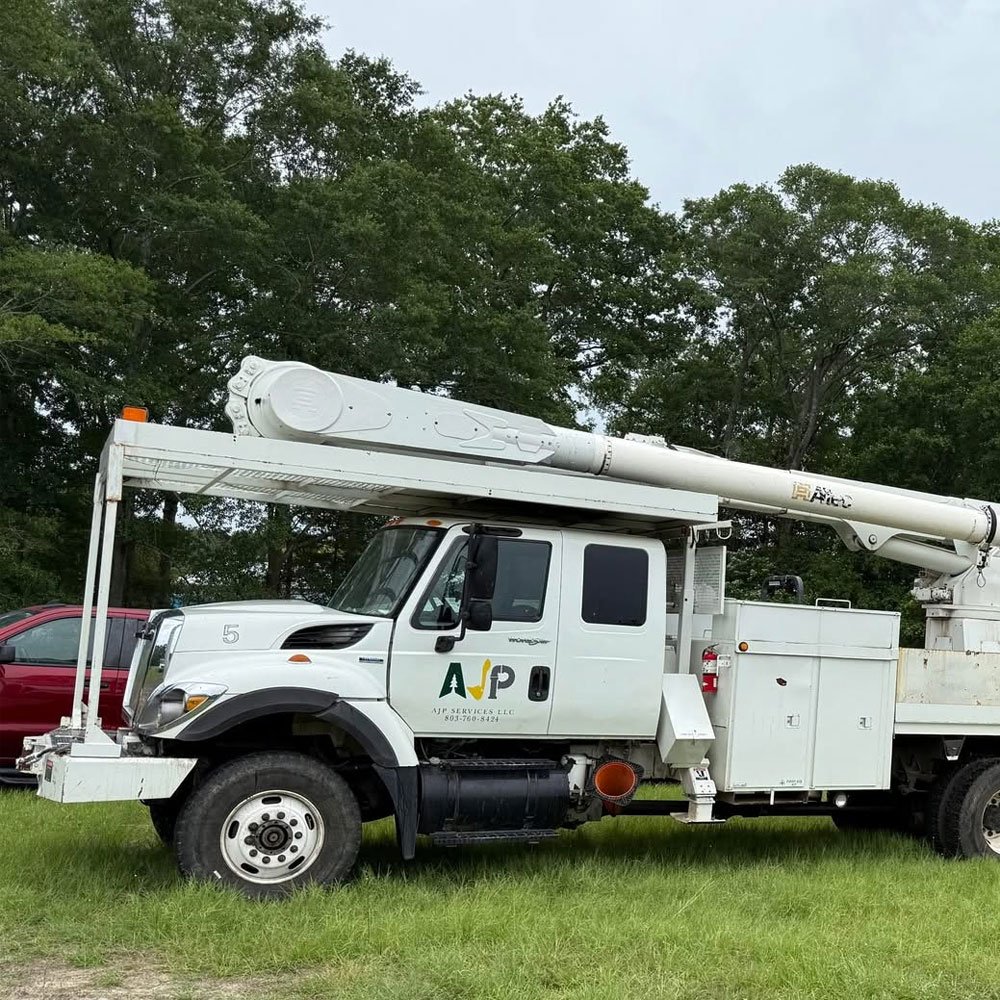
Professional crews rely on commercial-grade equipment to complete projects efficiently.
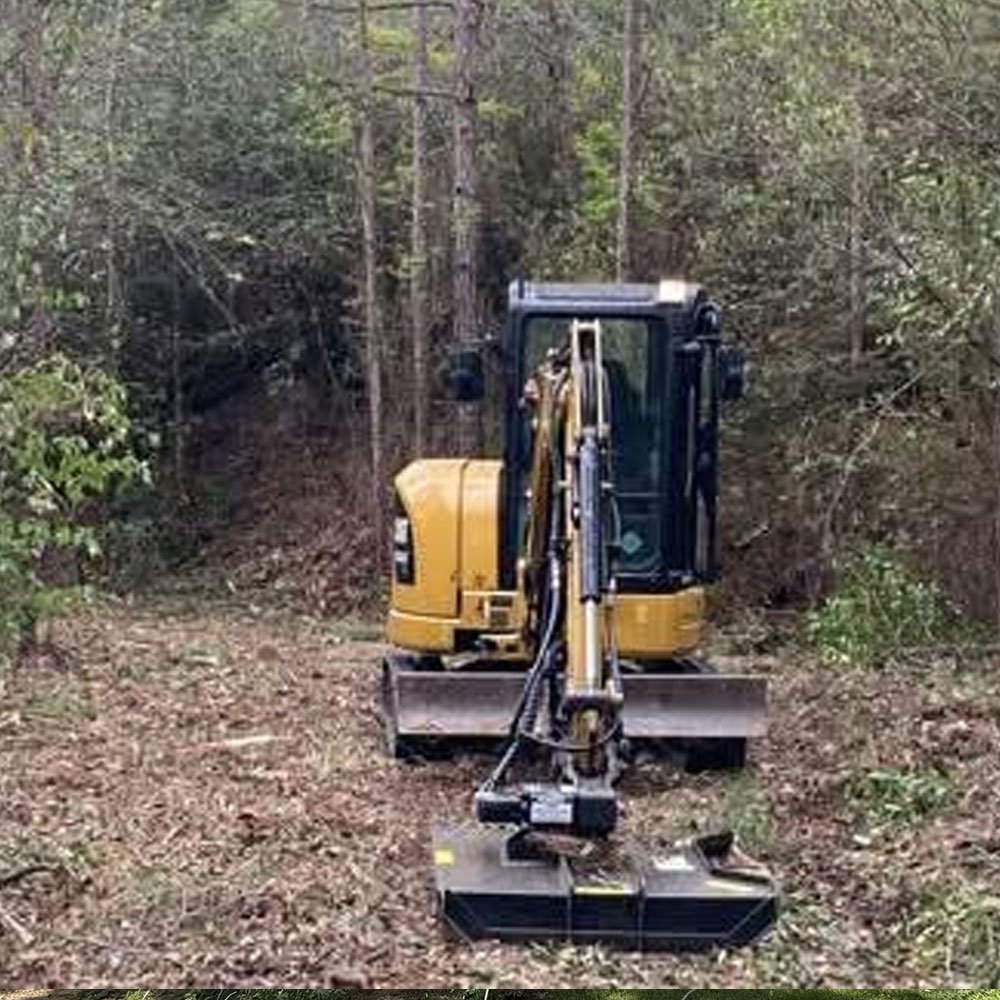
Common equipment includes:
- Chainsaws
- Pole saws
- Wood chippers
- Skid steer loaders
- Mini excavators
- Log grapples
- Dump trailers
- Safety rigging systems
Specialized equipment allows crews to remove large trees while minimizing property damage.
Benefits of Hiring Professional Fallen Tree Cleanup Services
Working with experienced professionals provides important advantages.
Improved Safety
Tree removal often involves unstable wood, elevated work, and heavy equipment.
Professionals follow established safety procedures that reduce accident risks.
Faster Storm Recovery
Experienced crews complete cleanup quickly, allowing homeowners to begin repairs sooner.
Property Protection
Controlled removal techniques help prevent additional damage to roofs, fences, driveways, and landscaping.
Proper Disposal
Storm debris is responsibly removed, recycled, or disposed of according to local regulations.
Insurance Documentation
Many professional companies provide documentation that may assist with insurance claims after storm damage.
How Fallen Tree Cleanup Protects Your Home
Quick removal helps prevent secondary damage that often develops after storms.
Timely cleanup protects:
- Roofing systems
- Gutters
- Windows
- Siding
- Foundations
- Vehicles
- Outdoor living areas
- Landscaping
Removing hazards early reduces long-term repair expenses.
Preventing Future Tree Damage
While storms cannot be prevented, regular tree maintenance greatly reduces future risks.
Helpful preventive measures include:
- Remove dead branches annually.
- Schedule routine tree inspections.
- Trim limbs away from roofs.
- Monitor tree health.
- Remove diseased trees promptly.
- Improve drainage around root systems.
- Inspect trees after major storms.
Healthy trees are more likely to withstand severe weather.
Choosing the Right Fallen Tree Cleanup Company
Selecting a qualified contractor ensures safe, efficient results.
Look for companies that provide:
- Licensed and insured services
- Emergency storm response
- Modern equipment
- Experienced operators
- Transparent pricing
- Positive customer reviews
- Safe work practices
- Complete debris removal
A reputable company will prioritize safety while restoring your property as quickly as possible.
Why Immediate Storm Response Saves Money
Delaying cleanup can significantly increase repair costs.
Prompt service helps prevent:
- Roof leaks
- Mold remediation
- Structural repairs
- Pest control expenses
- Landscape replacement
- Fence repairs
- Additional property damage
Taking action immediately after a storm protects both your property and your investment.
Conclusion
Storm-damaged trees can create dangerous conditions that require immediate attention. Professional fallen tree cleanup restores safety, protects structures, removes hazardous debris, and helps property owners recover quickly after severe weather. Whether a tree has damaged a home, blocked access, or created safety concerns, working with experienced professionals ensures the cleanup is completed efficiently and responsibly. For dependable storm recovery and expert tree removal services, property owners can rely on AJP Services.
Frequently Asked Questions
1. What should I do if a tree falls on my property?
Stay away from the damaged area, check for immediate safety hazards, contact your utility company if power lines are involved, document the damage for insurance purposes, and call a professional tree cleanup service.
2. Is it safe to remove a fallen tree myself?
Removing a fallen tree can be dangerous due to unstable branches, heavy trunks, and hidden hazards. Professional crews have the equipment and training to perform the work safely.
3. Will homeowners insurance cover fallen tree removal?
Many homeowners insurance policies provide coverage if the tree falls because of a covered event, such as a windstorm, and causes damage to an insured structure. Coverage varies by policy, so check with your insurance provider.
4. How long does fallen tree cleanup usually take?
The timeline depends on the size of the tree, the extent of the damage, accessibility, and weather conditions. Many residential cleanup projects can be completed within a day.
5. How can I reduce the risk of trees falling during storms?
Routine tree inspections, pruning dead or weak branches, removing diseased trees, improving soil drainage, and scheduling regular maintenance can significantly reduce storm-related tree failures.