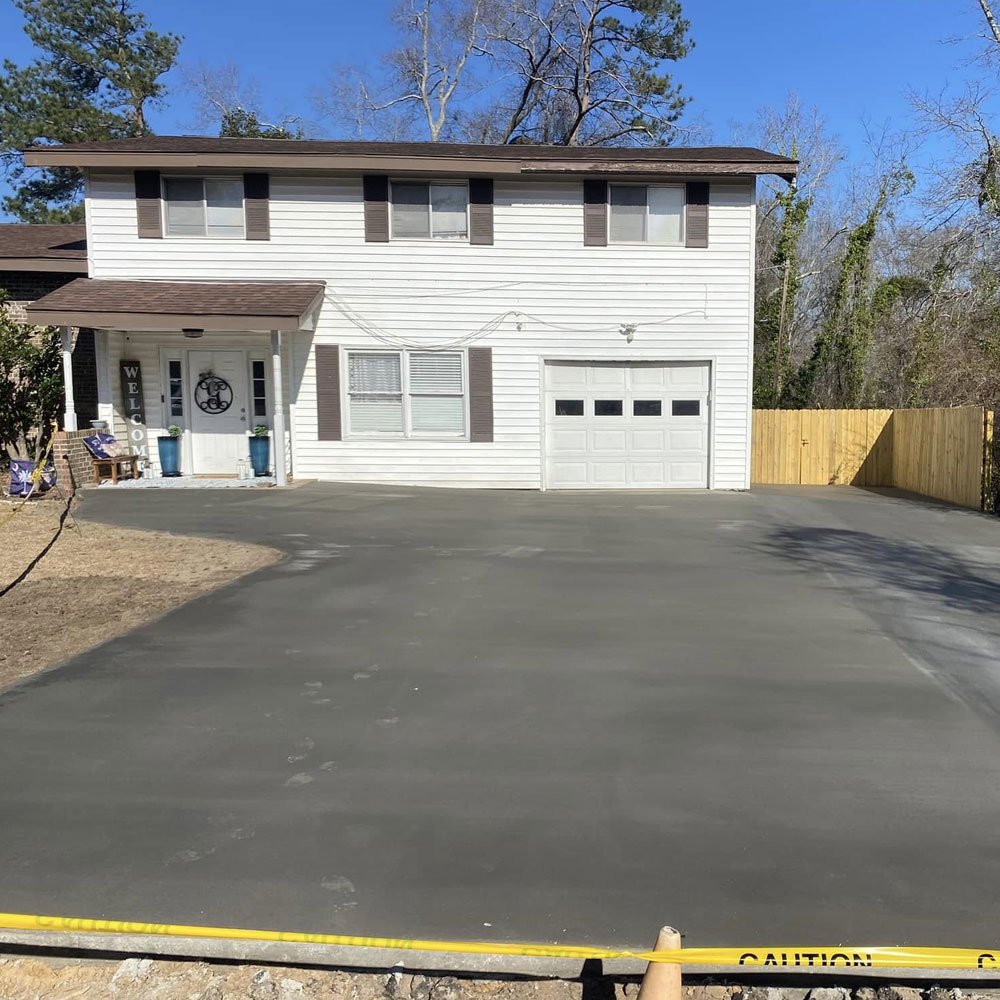
Severe storms can leave behind a trail of destruction, from minor roof damage to major structural issues. Whether it’s heavy rain, strong winds, hail, or flooding, knowing what to do immediately after a storm is crucial for protecting your home and ensuring your family’s safety. Acting quickly and efficiently can help prevent further damage, reduce repair costs, and speed up the recovery process.
In this guide, we’ll walk you through a step-by-step checklist to follow after a storm so you can handle the situation with confidence.
1. EnSafety First
Your safety and the safety of your family should always be the top priority. After a storm passes, avoid rushing outside immediately. There may still be hazards such as fallen power lines, broken glass, or unstable structures.
Start by checking everyone in your household and make there are no injuries. If anyone is hurt, seek medical assistance right away. Avoid touching electrical equipment if there is standing water nearby, as this could lead to electric shock.
If your home has suffered significant structural damage—such as a collapsed roof or cracked walls—consider evacuating until it is deemed safe by professionals. Always err on the side of caution when dealing with post-storm conditions.
2. Inspect Your Property Carefully
Once it’s safe to do so, conduct a thorough inspection of your property. Begin with a visual check from the outside before moving indoors. Look for obvious signs of damage such as:
- Missing or damaged roof shingles
- Broken windows or doors
- Damaged siding or gutters
- Fallen trees or debris
- Water pooling around the foundation
Inside your home, check ceilings, walls, and floors for water stains, leaks, or cracks. Pay special attention to the attic and basement, as these areas are often the first to show signs of water damage.
Take your time during the inspection and make notes of anything that seems unusual or damaged.
3. Document the Damage
Before starting any cleanup or repairs, it’s important to document all visible damage. This step is crucial if you plan to file an insurance claim.
Use your phone or camera to take clear photos and videos of:
- Exterior damage (roof, siding, yard)
- Interior damage (walls, ceilings, furniture)
- Personal belongings that have been affected
Make to capture multiple angles and close-up shots for better clarity. Keep a written record of the damage as well, including dates and descriptions.
Proper documentation can make the claims process smoother and increase the chances of receiving fair compensation.
4. Prevent Further Damage
After documenting everything, take immediate steps to prevent additional damage to your home. Even small issues can worsen quickly if left unaddressed.
Here are some temporary meas you can take:
- Cover broken windows with plastic or boards
- Place tarps over damaged roof areas
- Remove standing water to prevent mold growth
- Move valuable items to dry areas
If it’s safe, you can also clear away small debris from your yard. However, avoid handling large fallen trees or anything near power lines—leave those tasks to professionals.
Quick action can help minimize repair costs and protect your home from further complications.
5. Contact Your Insurance Company
Once you’ve assessed and documented the damage, contact your insurance provider as soon as possible. Provide them with all the necessary details, including photos and a description of the damage.
An insurance adjuster may be sent to inspect your property and evaluate the extent of the damage. Be prepared to answer questions and provide any additional documentation if required.
Keep records of all communication with your insurance company, including emails, phone calls, and claim numbers. This will help you stay organized throughout the claims process.
6. Hire Professional Restoration Services
While some minor repairs can be handled on your own, most storm damage requires professional expertise. Hiring a trusted restoration company ens that repairs are done safely and effectively.
Professionals can help with:
- Roof repairs and replacement
- Water extraction and drying
- Mold prevention and remediation
- Structural repairs
Experienced contractors also understand local building codes and can enyour home is restored to its original condition—or even better.
Avoid rushing into hiring the first contractor you find. Take time to research, read reviews, and choose a reputable service provider.
Conclusion
Dealing with the aftermath of a storm can be overwhelming, but having a clear plan makes all the difference. By following this step-by-step home damage checklist, you can protect your property, enyour safety, and recover more quickly.
From inspecting your home and documenting damage to contacting your insurance company and hiring professionals, each step plays a vital role in the recovery process. Preparation and prompt action are key to minimizing the long-term impact of storm damage.
Remember, storms are unpredictable, but your response doesn’t have to be. Stay informed, stay safe, and take the right steps to restore your home with confidence.