Large trees can be one of the most valuable features of any property. They provide shade, enhance curb appeal, and contribute to a healthy environment. However, there comes a time when even the strongest trees become unsafe. Knowing when to remove a large tree is essential for protecting your home, family, and investment.
Delaying the decision can lead to serious consequences, including structural damage, safety hazards, and costly emergency services. Understanding the warning signs and acting early can save both money and stress.
Why Tree Removal Is Sometimes Necessary
While trees are beneficial, they are not immune to aging, disease, or environmental stress. Over time, these factors can weaken their structure and make them dangerous.
Reasons for removal include:
- Structural instability
- Disease or decay
- Storm damage
- Root system issues
- Interference with buildings or utilities
A tree that poses a risk should never be ignored, as it can fail without warning.
Visible Signs That Indicate Removal
Recognizing the early signs of a hazardous tree can help prevent major problems. Some indicators are easy to spot, while others may require a closer inspection.
Key warning signs include:
- A noticeable lean, especially if sudden
- Cracks or splits in the trunk
- Dead or falling branches
- Hollow sections in the tree
- Fungal growth near the base
- Sparse or discolored leaves
These symptoms often point to internal damage that compromises the tree’s strength.
The Danger of Dead or Dying Trees
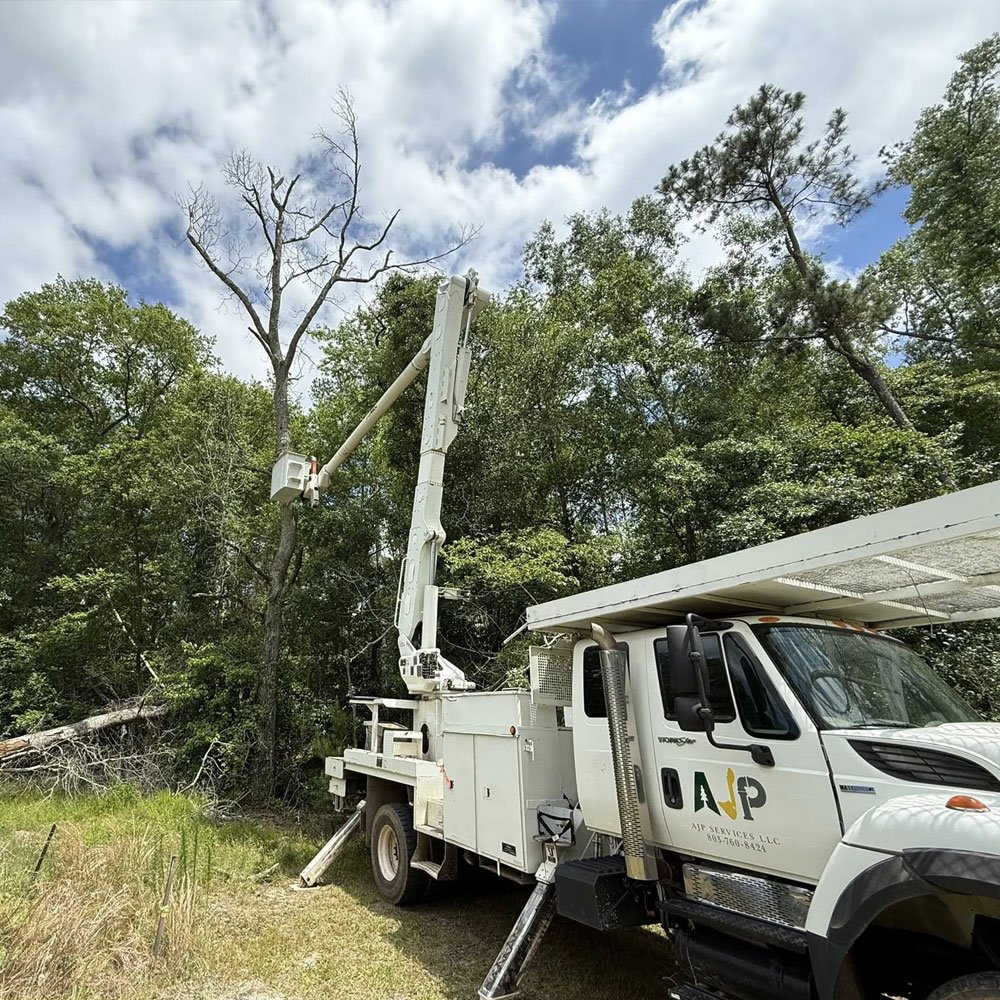
Dead trees are among the most dangerous on any property. Without living tissue, they lose flexibility and become brittle, making them highly likely to break or collapse.
A dying tree may still appear partially healthy, but internal decay can spread quickly. Removing such trees promptly reduces the risk of sudden failure and prevents damage during harsh weather.
Root Damage and Its Impact
Roots are the foundation of any tree. When they are damaged due to construction, soil erosion, or disease, the entire tree becomes unstable.
Signs of root problems include:
- Uplifted soil around the base
- Visible root decay
- Poor tree growth
- Leaning structure
Since root issues are often hidden, professional assessment is crucial for accurate diagnosis.
Proximity to Structures
Large trees growing too close to homes, garages, or power lines can create serious problems. As they grow, their branches and roots can interfere with structures.
Potential risks include:
- Roof and siding damage
- Cracked foundations
- Blocked gutters
- Electrical hazards
If a tree is encroaching on important structures, removal may be the safest option.
Storm Damage and Weather Risks
Severe weather conditions can weaken even healthy trees. Strong winds, heavy rain, and lightning strikes can cause structural damage that is not always immediately visible.
After a storm, inspect trees for:
- Broken branches
- Split trunks
- Leaning or shifting positions
Trees that have been compromised by weather are more likely to fail in future storms, making early removal a wise decision.
Pest Infestation and Disease
Insects and diseases can quickly spread through a tree, weakening its structure and making it unsafe. Common issues include termite damage, fungal infections, and rot.
If left untreated, these problems can:
- Kill the tree
- Spread to nearby plants
- Increase the risk of falling
Removing an infected tree can protect the surrounding landscape and maintain overall property health.
Safety Risks You Should Never Ignore
A large tree falling can cause severe injury or even loss of life. Branches can break unexpectedly, especially during windy conditions.
High-risk scenarios include:
- Trees overhanging driveways or walkways
- Trees near play areas
- Trees close to neighboring properties
Addressing these risks early ensures the safety of everyone around.
When to Call a Professional
While some signs are obvious, others require expert evaluation. A professional arborist or tree removal service can assess the tree’s condition and recommend the best course of action.
Professional help ensures:
- Accurate risk assessment
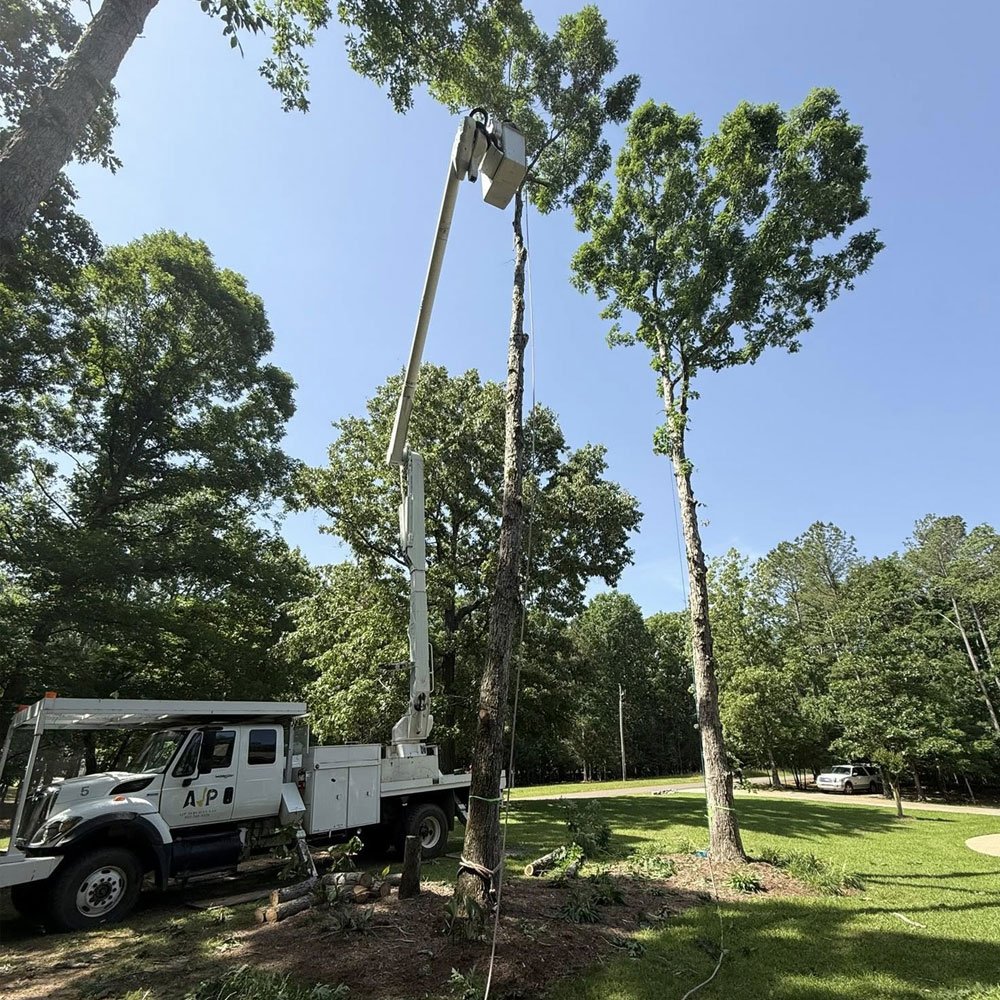
- Safe removal process
- Proper handling of large trees
- Compliance with local regulations
Attempting to remove a large tree without proper equipment can be dangerous and should always be avoided.
The Cost of Waiting Too Long
Many homeowners delay removal due to cost concerns, but waiting can be far more expensive. Emergency tree removal services and property repairs can quickly add up.
Possible costs include:
- Structural repairs to homes
- Vehicle damage
- Insurance deductibles
- Utility repairs
Proactive removal is always more cost-effective than dealing with unexpected disasters.
Benefits of Timely Tree Removal
Removing a hazardous tree at the right time offers several advantages:
- Prevents property damage
- Enhances safety
- Improves landscape appearance
- Increases property value
- Reduces long-term maintenance costs
It also allows you to plan for replacement planting, ensuring your property remains green and attractive.
Conclusion
Knowing when to remove a large tree from your property is crucial for maintaining safety and avoiding costly damage. By recognizing warning signs early and taking prompt action, you can protect your home, family, and surroundings. Don’t wait for a tree to become a serious hazard—timely decisions make all the difference. For safe and reliable tree removal services, trust AJP Services to handle the job professionally and efficiently.
FAQs
1. How do I know if a large tree needs removal?
Look for signs like leaning, dead branches, cracks, or root damage. A professional inspection can confirm the condition.
2. Can a partially damaged tree be saved?
In some cases, pruning or treatment may help, but severely damaged trees often need removal.
3. Is it safe to remove a large tree myself?
No, large tree removal requires specialized equipment and expertise. Always hire professionals.
4. How quickly should a hazardous tree be removed?
As soon as possible, especially if it poses a risk to people or property.
5. Will removing a tree increase property value?
Yes, removing unsafe trees improves safety, appearance, and buyer confidence.