New construction projects require far more preparation than simply selecting a building design and breaking ground. Whether the project involves a new home, commercial structure, agricultural development, driveway installation, utility expansion, or land improvement, site preparation plays a major role in determining long-term success.
In South Carolina, many construction sites include dense vegetation, overgrown brush, small trees, invasive plants, stumps, uneven terrain, and wooded areas that must be addressed before work begins. Ignoring these conditions can delay construction, increase costs, create safety hazards, and complicate excavation.
Land clearing and forestry mulching have become essential steps for preparing sites efficiently while improving accessibility and protecting surrounding environments. Together, these services help property owners transform raw land into build-ready spaces.
Understanding how land clearing and forestry mulching support construction projects can help property owners avoid costly mistakes and improve project timelines.
Understanding Land Clearing Before Construction
Land clearing is the process of removing unwanted vegetation and obstacles from a property to prepare it for development.
Typical clearing activities include removing:
- Trees
- Brush
- Shrubs
- Stumps
- Overgrown vegetation
- Dead timber
- Surface debris
- Rocks in some cases
- Invasive growth
The goal is to create a workable site that supports excavation, grading, utility installation, and future building activities.
In South Carolina, wooded properties are common, especially in rural and semi-rural areas. Construction often starts on heavily vegetated land that requires significant preparation.
Without proper clearing, equipment access becomes difficult and site work slows considerably.
What Is Forestry Mulching?
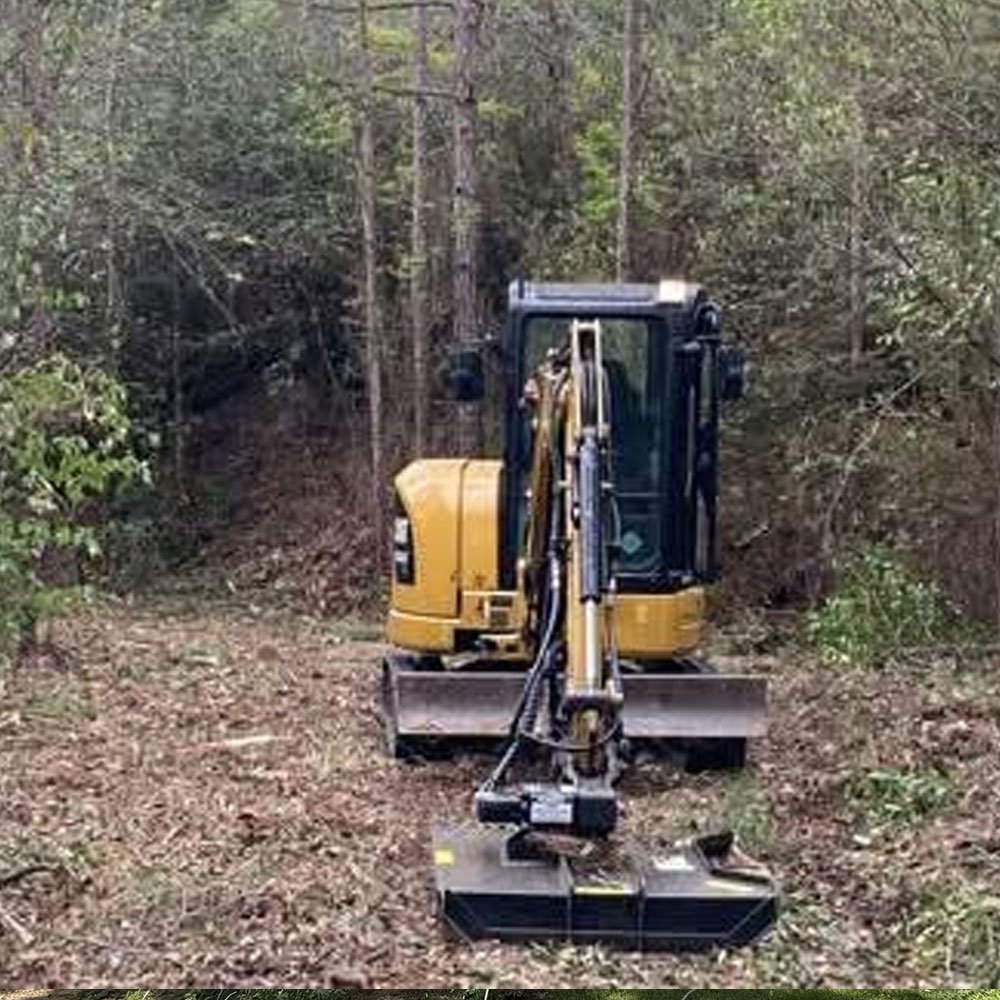
Forestry mulching is a land management method that uses specialized machinery to cut and grind vegetation into mulch directly on-site.
Instead of hauling away large amounts of debris, equipment processes:
- Brush
- Small trees
- Saplings
- Vines
- Undergrowth
- Invasive species
The material becomes a layer of organic mulch spread across the property.
Forestry mulching differs from traditional clearing because it often reduces hauling, burning, and disposal requirements.
This approach has become increasingly popular for construction preparation throughout South Carolina.
Why Site Preparation Matters Before Construction
Site preparation affects nearly every stage of a project.
Poorly prepared land may lead to:
- Construction delays
- Higher excavation costs
- Equipment access problems
- Drainage complications
- Grading issues
- Safety concerns
- Utility installation obstacles
Clearing and mulching help create a more efficient work environment before major construction begins.
A prepared site allows contractors to move faster and reduce unexpected interruptions.
Removing Dense Vegetation Improves Access
One of the first challenges on undeveloped properties is access.
South Carolina lots often contain:
- Thick brush
- Small hardwood growth
- Pine saplings
- Dense undergrowth
- Fallen trees
- Vines and weeds
Heavy equipment needs room to operate.
Construction vehicles may include:
- Excavators
- Graders
- Bulldozers
- Concrete trucks
- Utility equipment
- Delivery vehicles
Overgrowth limits movement and creates logistical problems.
Land clearing opens travel paths and improves site accessibility.
Forestry mulching further refines these areas without leaving large debris piles.
Forestry Mulching Helps Control Overgrowth Efficiently
Traditional clearing methods sometimes require:
- Cutting vegetation
- Piling debris
- Burning materials
- Removing waste off-site
These steps increase labor and project costs.
Forestry mulching streamlines preparation by processing vegetation immediately.
Benefits include:
Faster Cleanup
Mulching equipment eliminates multiple handling stages.
Vegetation becomes usable ground cover instantly.
Reduced Hauling Costs
Because debris remains on-site as mulch, transportation expenses often decrease.
Less Soil Disturbance
Traditional removal may disturb large sections of land.
Mulching typically leaves root systems and soil structure more intact.
Improved Site Appearance
Mulched surfaces create cleaner working environments.
Construction crews can identify boundaries and terrain more easily.
Land Clearing Helps Prevent Drainage Problems
South Carolina receives substantial rainfall throughout the year.
Improper drainage creates major challenges during construction.
Excess vegetation may:
- Block natural water flow
- Trap moisture
- Increase erosion risk
- Hide grading problems
Clearing improves visibility and allows contractors to evaluate:
- Water movement
- Slopes
- Low areas
- Runoff patterns
Early drainage planning reduces future problems.
Poor water management after construction may lead to:
- Foundation issues
- Soil movement
- Standing water
- Landscape damage
Preparation supports long-term stability.
Removing Stumps Prevents Future Obstacles
Tree stumps often remain hidden beneath brush.
Leaving stumps on construction sites creates complications.
Potential problems include:
Interference With Excavation
Stumps block trenching and digging operations.
Utility installation becomes more difficult.
Foundation Challenges
Roots and decaying wood may affect soil stability.
Construction areas require consistent support.
Equipment Hazards
Hidden stumps increase risks for machinery.
Damage to equipment can delay projects.
Future Settling Issues
As buried wood decomposes, soil movement may occur.
Removing stumps before construction reduces these concerns.
Invasive Species Can Complicate Development
South Carolina properties frequently contain invasive vegetation.
Common examples include:
- Kudzu
- Privet
- Japanese honeysuckle
- Chinese tallow trees
- Aggressive brush species
These plants spread rapidly.
Construction projects that ignore invasive growth may experience:
- Regrowth problems
- Maintenance challenges
- Landscape competition
- Ongoing clearing expenses
Forestry mulching helps manage unwanted vegetation while improving site conditions.
Early control protects future landscaping efforts.
Land Clearing Supports Accurate Surveying and Planning
Construction starts with measurement and planning.
Surveyors need clear visibility for:
- Property boundaries
- Elevation changes
- Utility locations
- Easements
- Building footprints
Dense vegetation hides important features.
Clearing allows teams to identify:
- Grade variations
- Access routes
- Obstacles
- Natural drainage channels
Accurate information improves project design.
Mistakes during early planning stages often become expensive later.
Forestry Mulch Helps Reduce Erosion
South Carolina construction sites may face erosion risks, especially during rainy seasons.
Bare soil easily washes away.
Forestry mulch creates protective ground cover.
Benefits include:
- Reduced runoff speed
- Moisture retention
- Soil stabilization
- Lower sediment movement
Mulch also helps preserve topsoil.
Protecting soil during construction supports healthier landscapes after project completion.
Fire Risk Reduction During Site Preparation
Overgrown land increases fire concerns.
Dead vegetation may include:
- Dry brush
- Fallen limbs
- Dead trees
- Dense undergrowth
Removing this material reduces fuel sources.
Forestry mulching converts vegetation into smaller particles that decompose naturally.
This process often lowers fire risk compared to unmanaged growth.
Properties intended for residential development particularly benefit from early vegetation management.
Land Clearing Improves Safety
Construction sites already involve risks.
Overgrown conditions create additional hazards such as:
- Hidden holes
- Unstable ground
- Sharp debris
- Concealed stumps
- Low branches
- Limited visibility
Clearing improves:
Worker Movement
Open spaces reduce tripping risks.
Equipment Operation
Machinery operators gain better visibility.
Emergency Access
Clear paths improve response times if problems occur.
Material Handling
Deliveries become easier and safer.
A prepared site supports efficient operations.
Environmental Benefits of Forestry Mulching
Many property owners assume clearing always harms the environment.
Modern mulching methods often reduce environmental impact.
Advantages include:
Fewer Burn Piles
Traditional clearing sometimes involves burning.
Mulching decreases waste accumulation.
Organic Ground Cover
Mulch returns nutrients to soil.
Decomposing material supports future vegetation.
Reduced Soil Disruption
Keeping soil more intact helps preserve structure.
Lower Transport Requirements
Fewer disposal trips reduce equipment movement.
Forestry mulching offers a balanced approach between development and land stewardship.
Preparing Land for Utilities and Infrastructure
Construction projects require underground systems such as:
- Water lines
- Sewer connections
- Electrical service
- Drainage pipes
- Irrigation systems
- Communications lines
Vegetation and roots complicate installation.
Land clearing improves access for trenching operations.
Removing obstacles early prevents delays during infrastructure work.
Contractors gain more predictable working conditions.
Better Visibility Reveals Hidden Site Problems
Many undeveloped properties contain issues that remain unseen until clearing begins.
Examples include:
- Old fencing
- Buried debris
- Drainage failures
- Abandoned structures
- Erosion channels
- Large root systems
- Surface instability
Early discovery saves time.
Unexpected conditions identified after construction starts often increase expenses.
Clearing creates a clearer picture of site readiness.
How Land Clearing Affects Project Costs
Some property owners delay clearing to reduce initial expenses.
However, insufficient preparation frequently increases costs later.
Potential financial impacts include:
- Equipment delays
- Rework expenses
- Utility conflicts
- Additional excavation
- Schedule extensions
- Soil correction
- Emergency vegetation removal
Investing in preparation often reduces long-term spending.
Efficient sites support smoother project execution.
Choosing the Right Clearing Method
Every property differs.
Factors influencing clearing plans include:
Property Size
Larger sites may require phased preparation.
Vegetation Density
Heavy brush may benefit from forestry mulching.
Construction Goals
Residential projects differ from commercial developments.
Soil Conditions
Wet areas require special planning.
Environmental Concerns
Protected zones may limit disturbance.
Professional assessment helps determine the best approach.
Some projects use a combination of traditional clearing and mulching.
Preparing Residential Lots vs. Large Developments
Site preparation needs vary by project type.
Residential Construction
Often focuses on:
- Building pads
- Driveway routes
- Utility corridors
- Yard preparation
Agricultural Projects
May require:
- Fence line clearing
- Field preparation
- Access roads
- Vegetation management
Commercial Development
Usually involves:
- Larger equipment access
- Utility expansion
- Extensive grading
- Stormwater planning
Customized preparation improves efficiency.
Long-Term Benefits After Construction
The value of land clearing extends beyond the build phase.
Well-prepared sites often experience:
- Better drainage performance
- Reduced vegetation problems
- Easier maintenance
- Improved landscaping success
- Greater accessibility
- Enhanced property appearance
Forestry mulch may continue supporting soil quality after development finishes.
Early investment creates lasting benefits.
Final Thoughts
Land clearing and forestry mulching play a major role in successful construction projects throughout South Carolina. Dense vegetation, invasive growth, hidden stumps, drainage concerns, and access limitations can quickly complicate development if properties are not prepared correctly.
Removing obstacles before excavation improves efficiency, supports safer operations, and reduces unexpected delays.
Forestry mulching adds another layer of value by controlling overgrowth, minimizing debris handling, improving erosion control, and supporting environmentally conscious site preparation.
Whether building a home, preparing commercial land, expanding agricultural property, or developing infrastructure, investing in proper site preparation creates a stronger foundation for every stage of construction.
The work completed before the first shovel enters the ground often determines how smoothly the entire project moves forward.