South Carolina storms can be unpredictable and destructive. From strong thunderstorms and hurricanes to heavy rainfall and high winds, severe weather regularly impacts trees throughout the state. While many homeowners focus on the obvious damage after a storm — such as fallen branches or uprooted trees — the hidden dangers caused by storm-damaged trees are often overlooked.
A tree may still appear stable after severe weather, but internal cracks, weakened roots, hanging limbs, and structural instability can create serious risks for homes, vehicles, utility lines, and personal safety. In many cases, storm-damaged trees fail days or even weeks after the storm has passed.
For homeowners across Lexington, Columbia, Chapin, Batesburg-Leesville, and surrounding South Carolina communities, understanding these hidden hazards is critical for protecting both property and family safety.
Storm Damage Is Not Always Immediately Visible
After a storm, homeowners often look for obvious signs of tree failure, such as large branches on the ground or trees leaning dramatically. However, some of the most dangerous damage occurs internally or high within the canopy where it is difficult to see from the ground.
Strong winds can weaken trees without causing immediate collapse. Heavy rain can saturate soil and destabilize root systems. Lightning strikes may damage internal wood structures while leaving the outside of the tree looking mostly normal.
According to storm cleanup information provided by AJP Services, hazardous trees frequently remain standing after storms even though their structural integrity has already been compromised. (ajpservicessc.com)
This delayed failure is one of the biggest reasons storm-damaged trees are so dangerous.
Hanging Limbs Become Serious Safety Hazards
One of the most common hidden risks after storms is the presence of broken or partially detached limbs suspended high in the tree canopy. These are often called “widowmakers” because they can fall unexpectedly without warning.
A limb weakened during a storm may remain hanging for days before finally crashing down due to wind, vibration, or additional rainfall.
These hanging branches can:
- Injure people below
- Damage vehicles
- Strike roofs or fences
- Block driveways and walkways
- Interfere with power lines
Large limbs can weigh hundreds of pounds, especially when saturated with rainwater. Even smaller branches can cause serious injuries if they fall from significant heights.
Homeowners should never attempt to remove hanging limbs themselves, especially without proper climbing equipment and training.
Root Damage Can Destabilize Entire Trees
Storm damage is not limited to branches and trunks. Underground root systems often suffer significant stress during severe weather.
Heavy rainfall softens the soil around trees, reducing root stability. Strong winds can partially lift or tear roots beneath the surface even if the tree does not immediately fall over.
Warning signs of root damage include:
- Leaning trees
- Cracked soil near the base
- Raised ground around roots
- New tilting after storms
- Exposed roots
- Sudden leaf loss
Trees with damaged root systems may collapse days or weeks later, even during relatively mild weather.
South Carolina’s combination of heavy rain, saturated clay soils, and hurricane-force winds creates ideal conditions for delayed root failures.
Cracked Trunks Often Lead to Sudden Tree Failure
Storm winds place enormous stress on tree trunks. Even if a tree survives the initial storm, internal trunk fractures can create major safety risks afterward.
Some cracks are obvious, while others remain hidden beneath bark or deep within the tree’s core.
Common warning signs include:
- Vertical trunk splits
- Missing bark sections
- Hollow sounds when tapped
- Deep cavities
- Visible separation between major limbs
- Sap leaking from cracks
A cracked trunk can fail suddenly without much warning, especially during future wind events.
Professional arborists and tree removal experts are trained to identify structural weaknesses that homeowners may not recognize from ground level.
Trees Near Homes Create Additional Risks
Storm-damaged trees located near structures present especially serious dangers. Even a partially weakened tree can threaten:
- Roofs
- Windows
- Siding
- Garages
- Vehicles
- Decks
- Fences
- Outdoor electrical systems
Many homeowners assume that if a tree did not fall during the storm, it is probably safe. Unfortunately, delayed tree failure is extremely common after severe weather.
According to storm response services described by AJP Services Storm Damage Cleanup, weakened trees can continue shifting and deteriorating long after the initial storm event. (ajpservicessc.com)
Even moderate winds following the storm may be enough to trigger collapse.
Damaged Trees Can Threaten Power Lines
One of the most dangerous hidden hazards involves trees near electrical infrastructure. Broken limbs or leaning trees may contact power lines either immediately or later as branches shift.
Downed or stressed power lines create major risks including:
- Electrocution
- Fires
- Power outages
- Property damage
- Explosions near transformers
Homeowners should always stay far away from trees touching electrical lines and contact utility companies immediately.
Never attempt to:
- Cut branches near power lines
- Move tree debris touching wires
- Climb storm-damaged trees
- Use ladders near electrical hazards
Professional utility crews and qualified tree specialists use specialized equipment designed for high-risk removals near energized lines.
Insects and Disease Often Follow Storm Damage
Storm injuries create openings that allow insects, fungi, and disease to invade weakened trees.
Broken bark, exposed wood, and cracked limbs make trees vulnerable to:
- Wood-boring insects
- Rot fungi
- Mold growth
- Internal decay
- Pest infestations
A tree that initially appears salvageable may continue deteriorating internally for months after storm damage occurs.
Over time, this hidden decay weakens structural integrity and increases the likelihood of future collapse.
In South Carolina’s humid climate, decay can spread especially quickly after severe weather.
Dead Trees Become More Dangerous After Storms
Dead or declining trees already pose significant risks before storms arrive. Severe weather dramatically increases the danger.
Storms may loosen large dead limbs, split trunks, or destabilize weakened root systems. Dead trees are also more brittle, making them more likely to snap under pressure.
Common signs of dead or dying trees include:
- Missing leaves during growing season
- Large dead branches
- Bark falling off
- Mushroom growth near roots
- Hollow trunk sections
- Severe leaning
- Extensive insect activity
If a storm impacts an already unhealthy tree, immediate professional inspection is strongly recommended.
DIY Cleanup Can Be Extremely Dangerous
After storms pass, many homeowners feel pressure to begin cleanup quickly. However, storm-damaged trees are far more dangerous than healthy trees during normal trimming work.
Hidden tension inside broken limbs can cause sudden snapping or rolling. Partially uprooted trees may shift unexpectedly during cutting.
Common DIY risks include:
- Falling branches
- Chainsaw injuries
- Electrocution
- Ladder falls
- Unstable tree movement
- Property damage
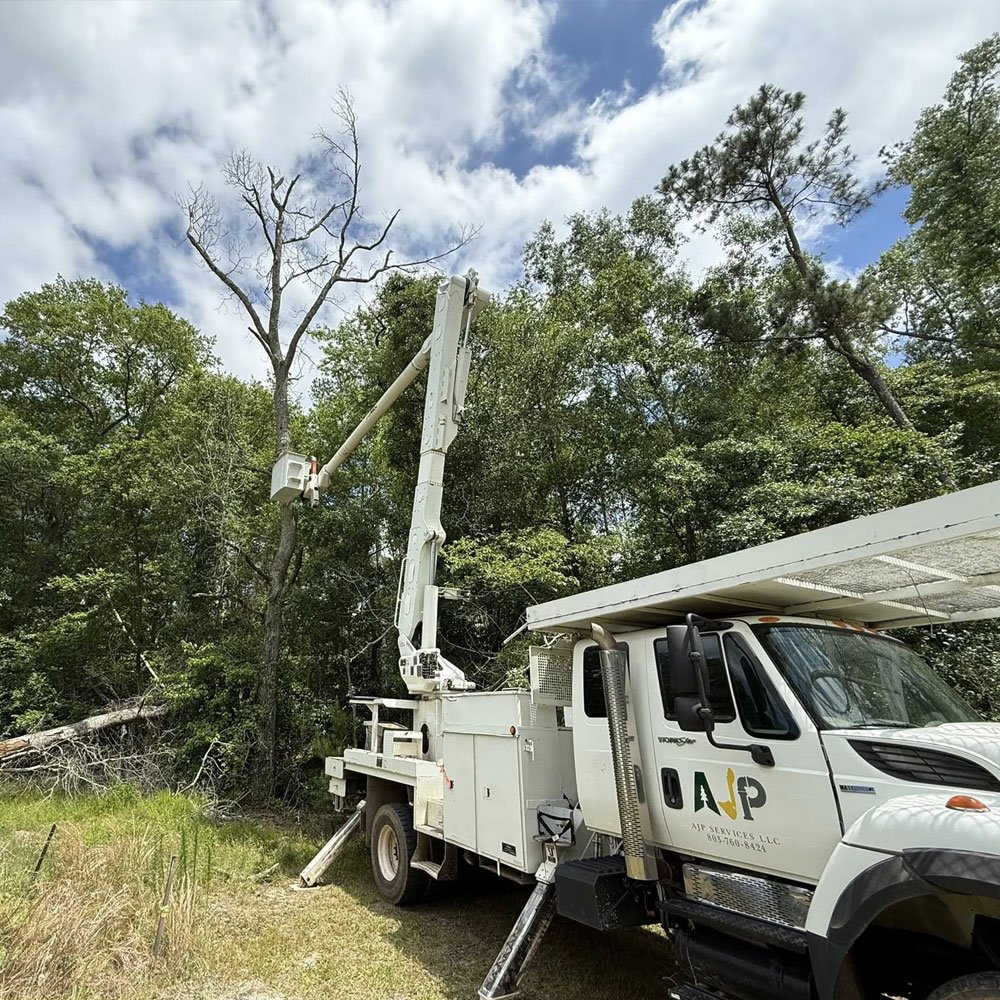
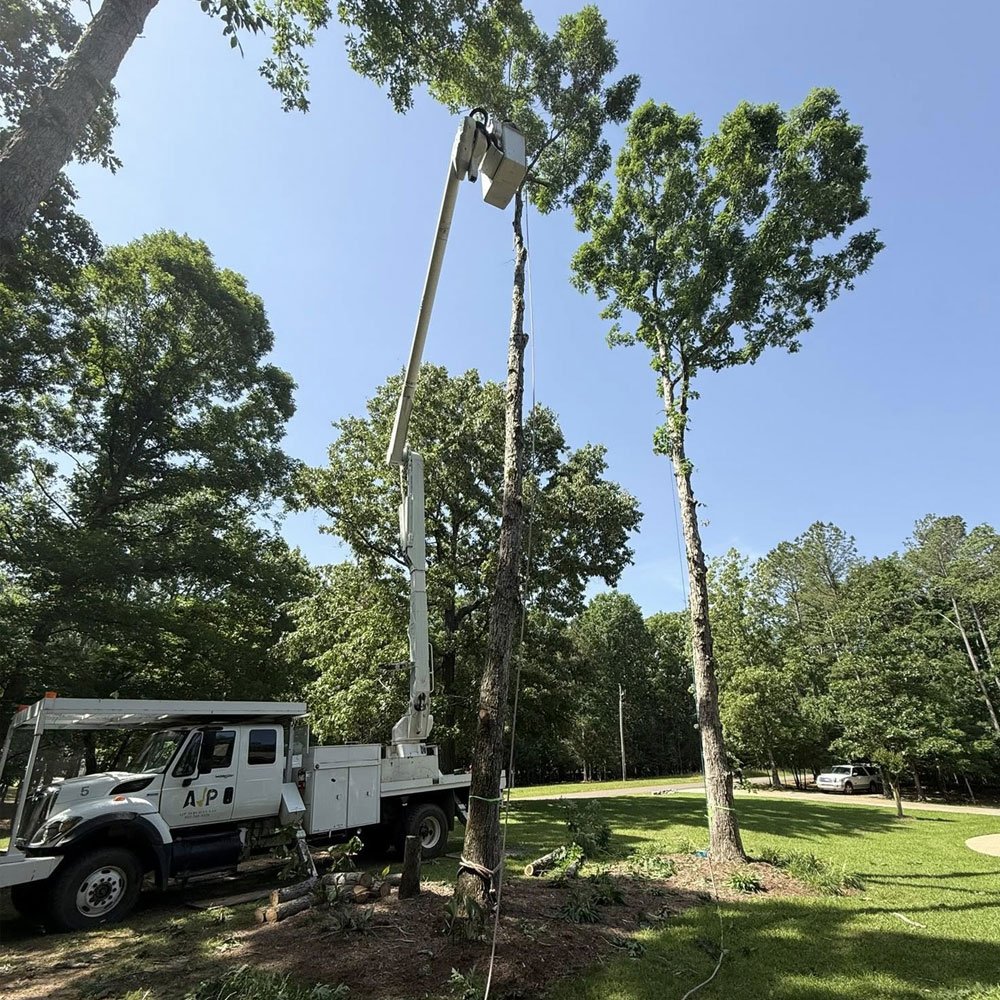
Emergency tree removal often requires cranes, rigging systems, climbing gear, and advanced cutting techniques.
According to information from AJP Services Emergency Tree Removal, professional crews are trained to manage hazardous storm-damaged trees safely while minimizing further property damage. (ajpservicessc.com)
Delayed Storm Damage Can Affect Insurance Claims
Some homeowners wait too long to address storm-damaged trees because the damage does not seem urgent initially. However, delayed action can sometimes complicate insurance claims if additional damage occurs later.
For example:
- A cracked limb falls onto a roof weeks later
- A leaning tree eventually collapses
- Water enters through unnoticed roof damage
- Hidden structural issues worsen over time
Documenting storm damage immediately is important for both safety and insurance purposes.
Take photographs of:
- Leaning trees
- Broken branches
- Roof impacts
- Cracked trunks
- Debris fields
- Utility interference
Professional inspections can also provide valuable documentation if insurance questions arise later.
Preventive Tree Maintenance Reduces Storm Risks
One of the best ways to reduce hidden storm hazards is through regular tree maintenance before severe weather occurs.
Professional tree trimming and inspections can identify:
- Weak limbs
- Dead branches
- Structural imbalances
- Root problems
- Disease symptoms
- Overextended canopies
Preventive maintenance helps trees better withstand high winds and heavy rain.
According to tree service information from AJP Services Lexington SC, proper trimming and hazardous tree removal help protect homes and surrounding properties from storm-related damage. (ajpservicessc.com)
Signs You Should Schedule Immediate Tree Inspection
After any major storm, homeowners should arrange professional evaluation if they notice:
- Trees leaning suddenly
- Large cracked limbs
- Split trunks
- Exposed roots
- Hanging branches
- Trees touching structures
- Bark separating from trunks
- Soil lifting near roots
- Trees near power lines
- New creaking sounds during wind
Even if the tree remains standing, hidden structural damage may already exist.
Early inspections can prevent future emergencies and reduce the risk of injury or property damage.
Why South Carolina Properties Face Unique Tree Risks
South Carolina’s climate creates several conditions that increase storm-related tree hazards:
Frequent Severe Storms
Thunderstorms, hurricanes, tropical systems, and strong wind events occur regularly throughout the state.
High Humidity
Moisture accelerates fungal growth and wood decay inside damaged trees.
Saturated Soil
Heavy rainfall weakens root stability and increases uprooting risks.
Mature Tree Populations
Many residential neighborhoods contain older trees with hidden internal decay.
Coastal and Inland Wind Exposure
Trees throughout South Carolina experience strong wind stress during multiple seasons each year.
These environmental factors make routine tree inspection and storm preparation especially important for homeowners.
Professional Storm Cleanup Protects Your Property
Professional storm cleanup services do more than simply remove fallen trees. Experienced crews evaluate the entire property for ongoing hazards.
Services often include:
- Emergency tree removal
- Dangerous limb removal
- Debris hauling
- Stump grinding
- Roof-safe tree extraction
- Hazard assessments
- Preventive trimming
- Property cleanup
Quick professional response helps homeowners restore safety while preventing additional damage after severe weather.
Final Thoughts
Storm-damaged trees create far more than cosmetic problems. Hidden structural weaknesses, hanging limbs, damaged roots, and internal decay can threaten homes, vehicles, utility lines, and personal safety long after the storm has ended.
Because many of these dangers are difficult to recognize without professional experience, homeowners should never assume a standing tree is automatically safe after severe weather.
The safest approach includes:
- Inspecting trees after storms
- Documenting visible damage
- Avoiding dangerous DIY removal
- Watching for delayed warning signs
- Scheduling professional evaluations
- Removing hazardous trees promptly
For South Carolina homeowners, proactive storm cleanup and tree maintenance can significantly reduce long-term risks while protecting both property and family safety throughout hurricane and storm seasons.