Severe storms, heavy winds, saturated soil, and aging trees are common throughout South Carolina. Whether you live in Lexington, Columbia, Chapin, or surrounding communities, a falling tree can quickly turn into a stressful and dangerous emergency. One of the most frustrating situations homeowners face is discovering that a neighbor’s tree has fallen onto their property, damaging a roof, fence, driveway, vehicle, or utility lines.
In the middle of the confusion, many homeowners immediately ask the same question: Who is responsible for the damage? While insurance companies often determine the final outcome, the actions you take immediately after the incident can significantly affect safety, repair costs, and the claims process.
If a neighbor’s tree falls on your property in South Carolina, here’s a step-by-step guide to help protect your family, your home, and your financial interests.
Prioritize Safety First
The first priority after any fallen tree incident is safety. Large trees can create serious hazards even after they stop moving. Broken limbs may still be hanging overhead, trunks can shift unexpectedly, and damaged utility lines can create electrocution risks.
If the tree has struck your home, avoid entering damaged rooms until the structure has been inspected. Roof damage may weaken ceilings, walls, or support beams. Even if the damage appears minor from the outside, hidden structural issues can exist.
You should also stay away from:
- Downed power lines
- Cracked or hanging limbs
- Uprooted trees that are partially suspended
- Trees leaning against structures
- Flooded areas near electrical systems
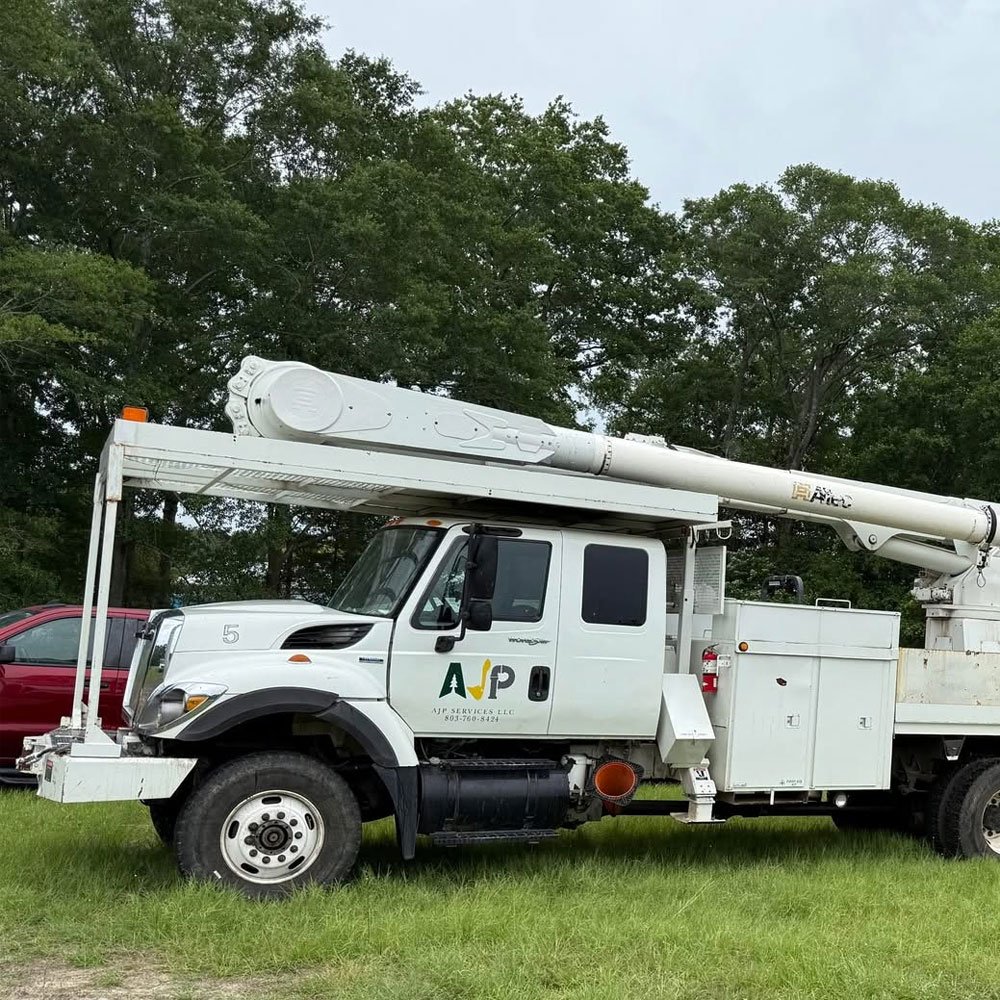
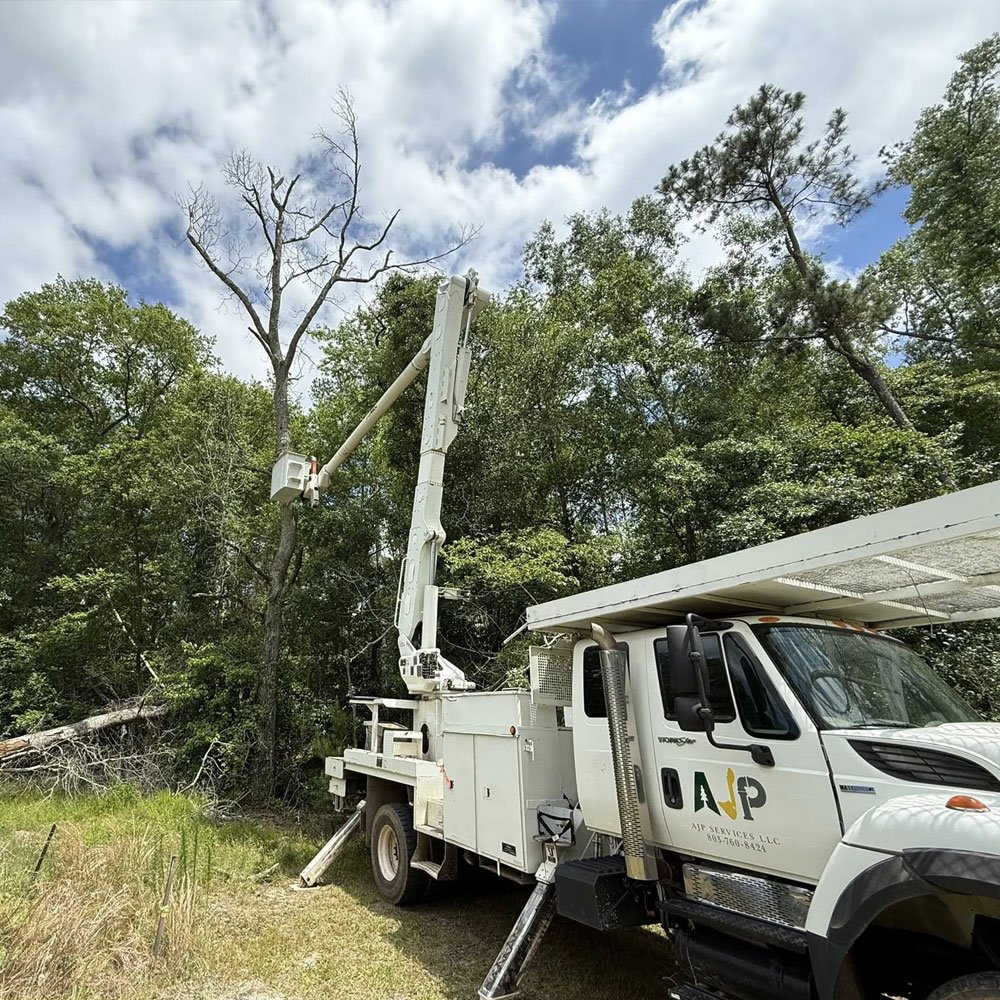
Professional emergency tree crews are trained to remove hazardous trees safely using specialized equipment and proper cutting techniques. According to storm-response information published by AJP Services, emergency tree situations often involve dangerous debris, hanging branches, and unstable trees that require immediate professional attention.
Call Emergency Services if Necessary
Some situations require immediate emergency response. Call 911 if:
- Someone is injured
- A tree is blocking a roadway
- Power lines are involved
- Gas lines may be damaged
- The structure appears unsafe or unstable
If electrical lines are affected, contact your utility company immediately. Never attempt to move branches or debris touching power lines yourself.
Many South Carolina residents dealing with storm damage report that utility companies typically remove trees only after electrical hazards are secured.
Document the Damage Immediately
Once everyone is safe, begin documenting the scene as thoroughly as possible. This step is extremely important for insurance claims and any future disputes regarding liability.
Take clear photographs and videos of:
- The fallen tree from multiple angles
- Damage to your roof, siding, fence, or vehicles
- Tree roots and trunk location
- Any visible signs of decay or disease
- Debris scattered across the property
- Utility damage or blocked access areas
It is also smart to photograph weather conditions if possible, especially after severe storms or hurricanes.
Keep notes about:
- The date and time of the incident
- Weather conditions
- Conversations with neighbors
- Emergency response actions
- Temporary repair expenses
Detailed documentation helps insurance adjusters evaluate the situation faster and may help determine whether the damage resulted from a storm-related “act of God” or possible negligence.
Contact Your Homeowners Insurance Company
In South Carolina, homeowners insurance typically covers damage caused by falling trees when the tree lands on an insured structure. In many cases, your own insurance policy handles the claim first — even if the tree originated on a neighbor’s property.
Many homeowners are surprised to learn this. However, insurance discussions in South Carolina frequently point out that responsibility often depends on whether negligence can be proven.
When speaking with your insurance company:
- Report the claim immediately
- Provide photos and videos
- Ask about temporary repair coverage
- Request guidance on emergency tree removal
- Keep receipts for emergency expenses
Most insurance providers also want homeowners to prevent further damage. That may include placing tarps on roofs, securing broken windows, or arranging emergency debris removal.
Understand How Liability Works in South Carolina
One of the biggest misconceptions homeowners have is believing the neighbor is automatically responsible because the tree came from their property. In reality, South Carolina liability laws are more complicated.
In many storm-related cases, fallen trees are considered an “act of God,” meaning each homeowner’s insurance handles damage on their own property. However, exceptions may exist if negligence can be proven.
For example, a neighbor may potentially be liable if:
- The tree was dead or visibly diseased
- The tree had previously dropped large limbs
- The homeowner ignored warnings about hazardous conditions
- An arborist had identified the tree as dangerous
- The property owner failed to maintain the tree responsibly
Several South Carolina homeowners discussing similar situations online noted that documented evidence of a dangerous tree can become important during insurance investigations.
This is why documentation matters so much. If the tree showed obvious signs of decay before the fall, photographs and prior communication records may help support your claim.
Avoid Removing the Tree Yourself
After a tree falls, many homeowners feel pressured to begin cleanup immediately. However, attempting DIY tree removal can be extremely dangerous.
Storm-damaged trees often contain:
- Tensioned limbs
- Split trunks
- Hidden cracks
- Unstable root systems
- Heavy suspended branches
Improper cutting can cause sudden movement, additional property damage, or serious injury.
According to emergency storm cleanup guidance from AJP Services Storm Cleanup Services, professional crews use specialized equipment and safe removal techniques to manage hazardous trees efficiently.
Professional tree service companies can also:
- Safely remove trees from roofs
- Prevent additional structural damage
- Grind or remove stumps
- Clear debris completely
- Assist with insurance documentation
- Identify additional tree hazards nearby
Prevent Additional Damage to Your Home
While waiting for tree removal professionals or insurance adjusters, homeowners should take reasonable steps to prevent additional damage when safe to do so.
This may include:
- Placing tarps over roof openings
- Moving valuables away from leaks
- Turning off water or electricity if needed
- Blocking unsafe areas from children or pets
- Removing small loose debris
Temporary mitigation is often required under homeowners insurance policies. Failing to protect the property from additional weather exposure could complicate future claims.
Speak Calmly With Your Neighbor
Even though emotions can run high after property damage, maintaining a calm and cooperative conversation with your neighbor is usually the best approach.
You may need to exchange:
- Insurance information
- Photos
- Contractor access permissions
- Prior maintenance records
- Arborist reports
Avoid accusing your neighbor immediately, especially before insurance investigations are complete. In many situations, both homeowners are dealing with stress, damage, and insurance confusion simultaneously.
If negligence becomes a factor later, insurance companies and legal professionals can address those details properly.
Hire a Professional Tree Removal Company
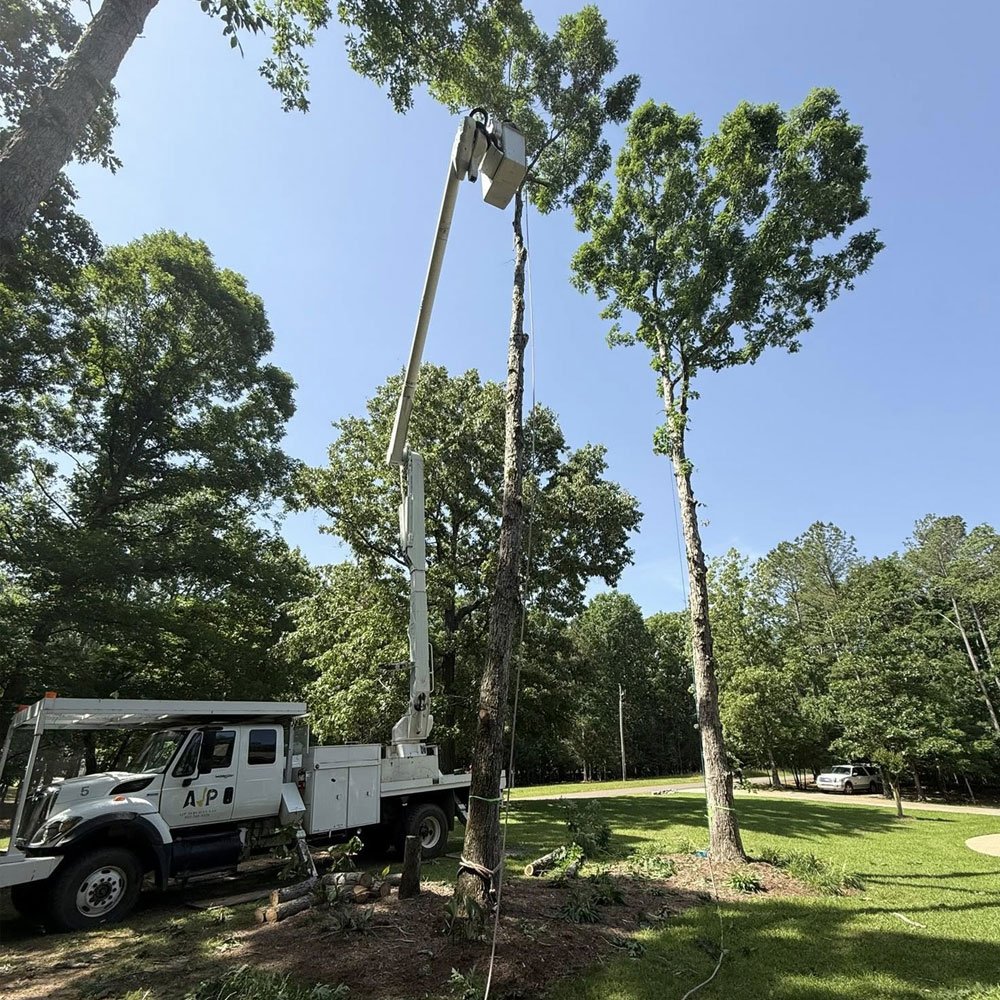
Emergency tree removal is not just about cutting branches. Proper cleanup often involves crane work, rigging systems, structural protection, debris hauling, and hazard assessments.
Professional companies offering storm-response services in South Carolina often provide:
- Emergency tree removal
- Hazardous limb removal
- Debris cleanup
- Roof-safe extraction methods
- Stump grinding
- Insurance support documentation
AJP Services Emergency Storm Response explains that rapid-response crews help homeowners minimize additional damage while restoring property safety after severe weather.
For homeowners across Lexington, Chapin, Columbia, Batesburg-Leesville, and surrounding South Carolina communities, professional emergency response can make a major difference in protecting both property and personal safety.
Watch for Hidden Structural Damage
Even after the tree is removed, additional problems may develop over time.
Homeowners should inspect for:
- Roof leaks
- Ceiling stains
- Mold growth
- Foundation cracks
- Damaged gutters
- Siding separation
- Fence instability
- Drainage problems
Water intrusion is especially common after tree impacts. Even small roof punctures can allow moisture into insulation, drywall, and framing.
Schedule professional inspections if you notice:
- New musty odors
- Bubbling paint
- Sagging ceilings
- Wet insulation
- Cracked drywall
Addressing hidden damage early helps prevent more expensive repairs later.
Consider Preventive Tree Inspections
After experiencing a fallen tree incident, many homeowners begin noticing other potentially hazardous trees nearby. South Carolina’s storms, high winds, and saturated soils can weaken even healthy-looking trees.
Professional inspections can identify:
- Dead limbs
- Root instability
- Internal decay
- Leaning trunks
- Pest infestations
- Storm damage
- Overextended canopies
Preventive trimming and removal can reduce the risk of future emergencies.
According to service information published by AJP Services Tree Removal and Storm Services, hazardous tree mitigation and post-storm cleanup are important parts of protecting homes and surrounding structures throughout South Carolina.
Know When Legal Advice May Be Necessary
Most fallen tree claims are resolved through insurance companies. However, legal consultation may be worth considering if:
- Significant negligence is suspected
- A neighbor ignored repeated warnings
- Insurance claims are denied unfairly
- Property disputes escalate
- Severe injuries occurred
Keep copies of:
- Insurance communications
- Arborist evaluations
- Repair estimates
- Photographs
- Contractor invoices
- Neighbor correspondence
Having organized documentation can help if legal questions arise later.
Final Thoughts
A neighbor’s tree falling onto your property can feel overwhelming, especially after a severe South Carolina storm. Between structural damage, insurance questions, cleanup costs, and safety hazards, homeowners often face major stress during an already difficult situation.
The most important steps are:
- Prioritize safety
- Document everything
- Contact your insurance company quickly
- Avoid dangerous DIY removal
- Hire experienced tree professionals
- Prevent additional damage
- Understand potential liability issues
Fast action can reduce repair costs, protect your home, and simplify the insurance process.
When dangerous trees, storm damage, or emergency cleanup situations occur, working with experienced professionals can help homeowners restore safety and peace of mind as quickly as possible.